
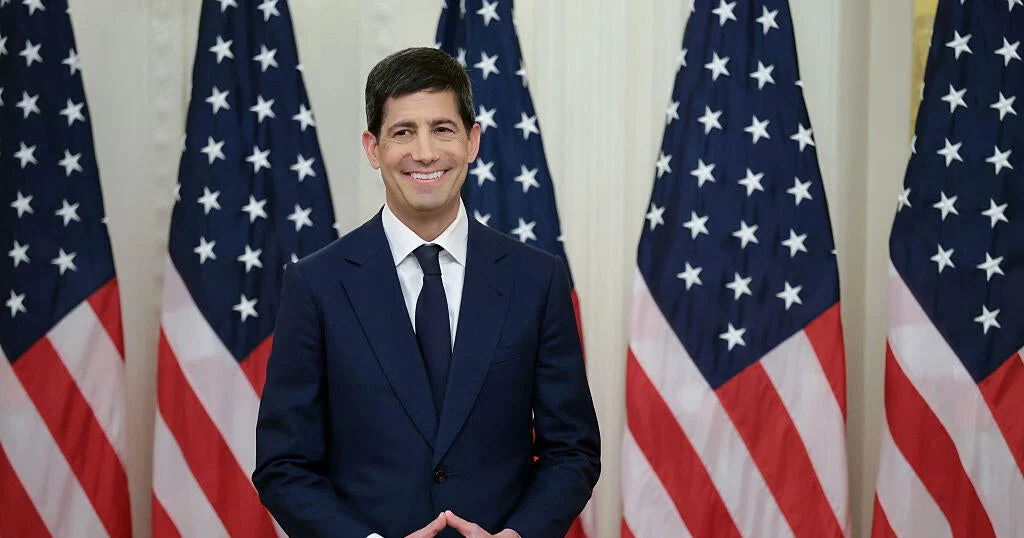
Kevin Warsh was sworn in as chairman of the Federal Reserve on May 22, 2026, during a ceremony at the White House, officially succeeding Jerome Powell. The event was attended by Supreme Court justices, members of Congress, Cabinet officials, and business leaders. Justice Clarence Thomas administered the oath, with Warsh taking it on a Bible held by his wife.
Warsh pledged to uphold the Fed’s dual mandate to promote price stability and maximum employment. He emphasized leading a “reform-oriented Federal Reserve” focused on integrity, performance, and learning from past successes and mistakes. “Our mandate at the Fed is to promote price stability and maximum employment,” Warsh said. “When we pursue those aims with wisdom and clarity, independence and resolve, inflation can be lower, growth stronger, real take-home pay higher and America can be more prosperous.”
President Donald Trump, who introduced Warsh at the ceremony, stressed Warsh’s independence in monetary policy decisions. “I want Kevin to be totally independent. I want him to be independent and just do a great job. Don’t look at me, don’t look at anybody, just do your own thing and do a great job,” Trump said. The president also expressed confidence that Warsh would be among the Federal Reserve’s great chairs, praising his abilities and widespread respect.
Challenges Facing the New Chair
Warsh assumes leadership of the Fed amid a complex economic environment. Inflation remains above the Fed’s 2% target, with a recent spike linked to geopolitical tensions such as the war in Iran. The Federal Open Market Committee (FOMC), responsible for setting interest rates, is currently divided on the best policy path. Some members advocate for rate cuts to support economic growth, while others favor maintaining or increasing rates to contain inflation.
At the Fed’s April meeting, the committee decided to hold rates steady, but financial markets and many members anticipate further tightening if inflation persists. The rate-setting committee includes 12 officials, with decisions made by a majority vote. Although the chair wields significant influence, Warsh will need committee support to enact any changes, including potential rate cuts.
Powell’s Continuing Role and Warsh’s Policy Stance
Jerome Powell, who chaired the Fed since 2018 and led it through the COVID-19 pandemic and recent inflation surge, will remain on the Board of Governors and continue to serve on the FOMC until legal inquiries involving the Justice Department conclude. Powell’s tenure was marked by cautious interest rate adjustments, which drew criticism from President Trump.
Warsh has publicly committed to preserving the Fed’s independence and has resisted predetermining interest rates based on political pressure. Though known previously as a monetary policy hawk during his 2006–2011 Fed board tenure, Warsh has shown openness to rate reductions in light of recent economic developments. He has also highlighted emerging technologies such as artificial intelligence as potential drivers of productivity gains and lower inflation, which could influence monetary policy.
Former Fed official Randall Kroszner described Warsh as a strategic consensus-builder unlikely to yield to short-term political demands. “Kevin is a long-run strategic thinker… You can’t just come in and say, ‘Off with their heads,’” Kroszner said.
Why it matters
The Federal Reserve’s policy decisions directly affect borrowing costs, inflation, employment, and economic growth in the United States. Warsh’s leadership style and stance on monetary policy will influence how the Fed navigates current inflation pressures and global uncertainties. His ability to maintain the central bank’s independence while working with other policymakers will be critical amid political scrutiny and economic volatility.
Investors and markets are closely watching how Warsh balances demands for lower interest rates against the need to control inflation, with implications for credit conditions, housing markets, and the broader economy.
Sources
This article is based on reporting and publicly available information from the following source:
Read more Business stories on Goka World News.