
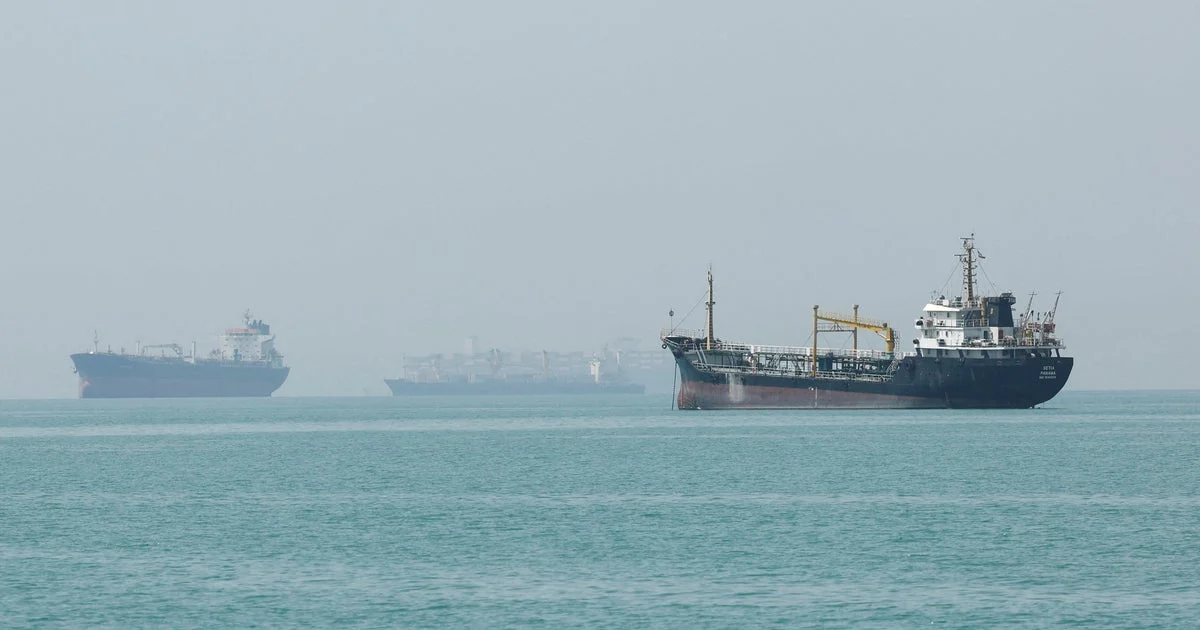
U.S. Senator Marco Rubio on Friday expressed concern over Iran’s efforts to establish a “tolling system” for passage through the Strait of Hormuz, calling it “not acceptable” amid ongoing indirect negotiations aimed at ending the conflict involving Iran and the United States.
Rubio acknowledged “a little bit of movement” in talks seeking a diplomatic resolution but emphasized that unresolved issues remain, particularly Iran’s nuclear enrichment program and control over the vital shipping lane. He stressed the importance of the U.S. and its partners developing a backup plan should Iran refuse to reopen the strait for international transit.
Diplomatic Mediation Efforts Continue
Pakistan’s Army Chief, Field Marshal Syed Asim Munir, a key mediator in the Iran-U.S. peace process, arrived in Tehran on Friday. According to Pakistani military sources, Munir is slated to meet with Iranian officials to discuss the ongoing negotiations. His country has played a pivotal role in brokering indirect talks aimed at de-escalating tensions and re-establishing strategic stability between Iran and the U.S.
Escalating Regional Tensions and Responses
Meanwhile, tensions in the region have led the European Union to take steps toward imposing new sanctions on Iranian officials linked to the Strait of Hormuz blockade, which the EU deems a violation of international law and a threat to freedom of navigation. The expected measures include travel bans, asset freezes, and restrictions on financial support to targeted individuals and entities connected to Iran’s obstruction of maritime traffic in the waterway.
The blockade has prompted condemnation from multiple international actors concerned about the free flow of global oil shipments that transit the strait, a critical chokepoint in world energy markets.
U.S. Political Divisions on Iran Policy
The debate over how to handle Iran’s aggressive posture includes voices like Senator Roger Wicker, chairman of the Senate Armed Services Committee, who criticized the current peace efforts and called for renewed military action to “finish what we started.” Wicker argued that continuing negotiations risks signaling U.S. weakness, urging the administration to dismantle Iran’s conventional military capabilities and reopen the strait forcibly.
Why it matters
The Strait of Hormuz is a strategic maritime passage through which approximately 20% of the world’s petroleum transits. Iran’s attempt to control or impose tolls on ships passing through threatens global energy security and international trade stability. The diplomatic progress, though limited, could influence regional security dynamics and the global oil market, especially amid debates over military versus diplomatic approaches to resolving the conflict.
Sources
This article is based on reporting and publicly available information from the following source:
Read more Politics stories on Goka World News.