
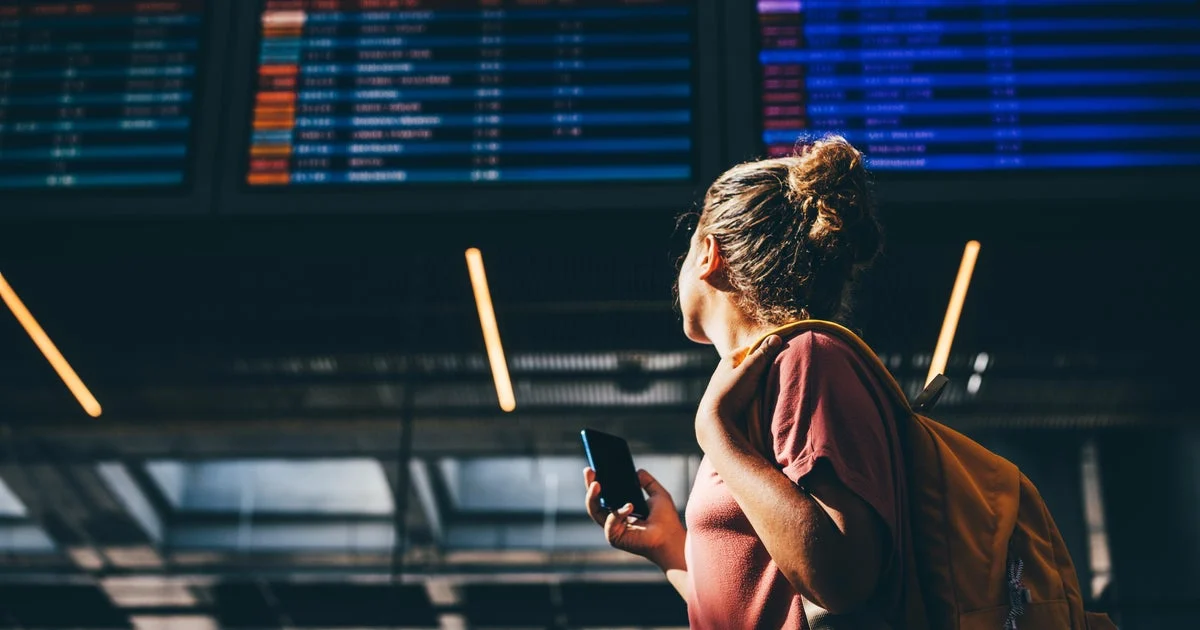
Summer air travel in 2026 is projected to be challenging as airlines grapple with increasing delays, flight cancellations, and rising fares, according to recent data and expert analysis. Consumer advocates warn that busy airports, persistent staffing shortages, and elevated jet fuel prices could worsen travel disruptions during peak vacation months.
Flight Delays and Cancellations Reach High Levels
A report from the U.S. PIRG Education Fund, based on U.S. Department of Transportation data, revealed that on-time flight arrivals in 2025 were at their lowest point since 2014. One in 12 flights arrived at least an hour late last year, while airlines canceled over 100,000 flights nationwide. Airlines with the highest cancellation rates included American, Frontier, and JetBlue, whereas Allegiant, Hawaiian, and Southwest canceled fewer flights.
Among carriers, Hawaiian, Delta, and Southwest demonstrated better on-time performance, while Frontier, JetBlue, and American lagged behind. The challenges contributing to these disruptions range from a shortage of air traffic controllers to schedule overloads at busy airports.
Key Factors Driving Travel Disruptions
Teresa Murray, consumer watchdog director at U.S. PIRG Education Fund, highlighted that bad weather and airlines scheduling more flights than airports can handle are leading causes of delays and cancellations. Despite a 1% drop in passenger volume and a 5% decrease in checked baggage last year, many travelers now try to fit luggage into overhead bins to avoid fees, which may delay boarding and takeoff.
Some airports, such as Chicago’s O’Hare International Airport, have implemented flight caps to manage congestion and reduce operational delays. Murray cautioned that the upcoming summer could be as bad or worse due to high passenger volumes, federally mandated slot cuts, and potential extreme weather events like hurricanes and thunderstorms.
Impact of Rising Fuel Costs and Events on Travel
Phenommena such as the war in Iran have driven up jet fuel prices, forcing airlines to increase fares and reduce less fuel-efficient routes. Yuvraj Datta, chief supply and revenue officer at Fareportal, said fuel accounts for about 30% of operating costs, impacting airlines’ ability to maintain all routes and fare prices. Airlines including United are expecting higher passenger volumes this summer, with an estimated 53 million travelers from June through August.
Advice for Travelers
Travel expert Katy Nastro from Going.com advised that passengers have rights to refunds if flights are canceled and they choose not to travel. She also suggested that overall on-time performance might improve slightly following Spirit Airlines’ recent shutdown, which had been negatively impacting averages.
Nastro recommended early morning flights between 6 a.m. and 8 a.m., as these have an 18% higher likelihood of arriving on time, according to government data. She also advised consumers to weigh the benefits of lower fares against the increased risk of disruptions on itineraries involving multiple stops.
Why it matters
With travel demand rising and operational challenges mounting, consumers can expect ongoing difficulties navigating air travel this summer. Flight disruptions can affect vacation plans, business trips, and overall travel experience, making awareness of passenger rights and strategic planning essential. Airlines’ decisions regarding routes and fares driven by fuel costs and capacity constraints will also impact ticket prices and availability.
Background
Flight delays and cancellations have fluctuated over recent years, often tied to staffing issues such as shortages of air traffic controllers, weather events, and airline scheduling practices. Past government shutdowns have exacerbated controller shortages. Meanwhile, economic and geopolitical factors like rising fuel costs continue to influence airline operations and traveler costs.
Sources
This article is based on reporting and publicly available information from the following source:
Read more Business stories on Goka World News.