
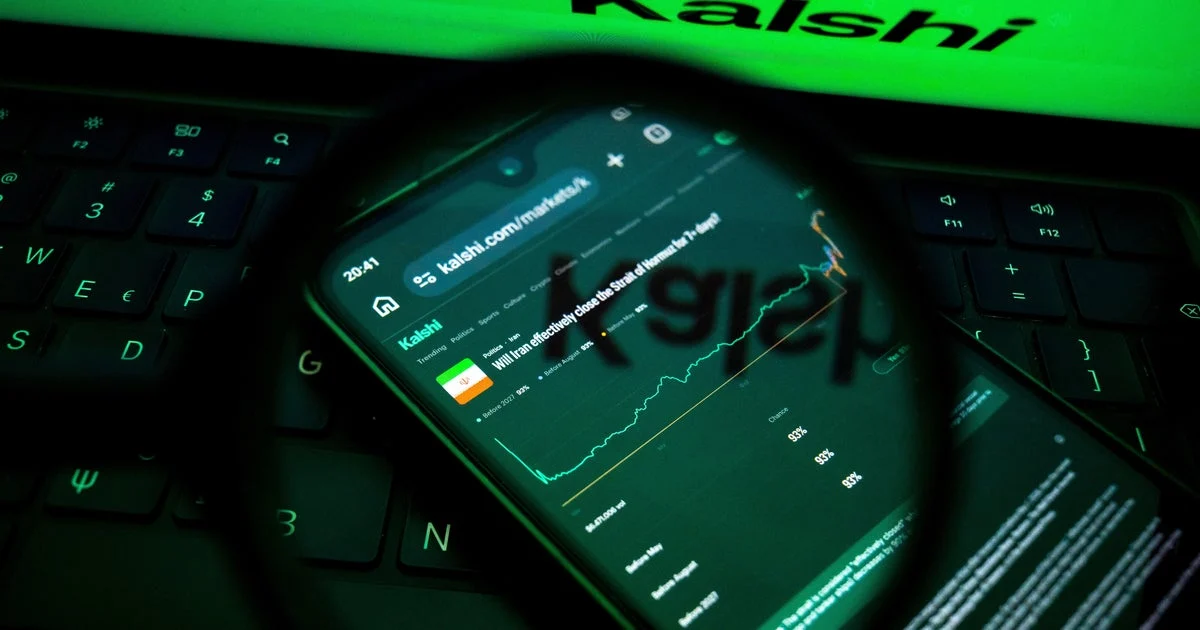
The House Oversight Committee announced on May 22, 2026, that it is investigating alleged insider trading on the prediction market platforms Kalshi and Polymarket. The committee, led by Chairman Rep. James Comer of Kentucky, sent letters to the CEOs of both companies seeking detailed information on their efforts to prevent and detect insider trading.
The inquiry focuses on how Kalshi and Polymarket monitor for insider trading activities and verify the identities of their account holders, both domestic and international. Rep. Comer specifically requested data related to suspicious trading patterns connected to two major geopolitical events: the war involving Iran and the capture of former Venezuelan leader Nicolás Maduro by the Trump administration.
Kalshi and Polymarket allow users to place bets on the outcomes of future events, including elections, sports, and political developments. While this market niche has grown in popularity, lawmakers have raised concerns following reports of timing-sensitive trades suggestive of illicit information use.
A recent investigation by data analytics firm Bubblemaps, featured in a “60 Minutes” report, revealed that nine Polymarket accounts collectively earned approximately $2.4 million by correctly predicting key dates tied to the Iran conflict.
Separately, in April 2026, federal prosecutors charged U.S. Army Special Forces soldier Gannon Ken Van Dyke with multiple felony counts, including unlawful use of confidential government information and commodities fraud. Van Dyke is accused of using privileged intelligence to place bets on Maduro’s removal, earning over $400,000. He has pleaded not guilty to the charges.
In response to the investigation, Polymarket released a statement asserting that it maintains a “comprehensive market integrity framework” to safeguard its platform from illicit trades. Similarly, Kalshi spokesperson Elisabeth Diana emphasized that the company has implemented “comprehensive” anti-insider trading measures.
Both platforms have recently updated their policies to strengthen market integrity. Kalshi suspended the accounts of three congressional candidates for trading on their own elections and now prohibits members of Congress from opening accounts. Polymarket introduced a March 2026 rule banning individuals from betting on events where they hold authoritative or influential positions relevant to the outcome.
Why it matters
The investigation highlights regulatory and ethical challenges in emerging online prediction markets, especially when participants gain unfair advantages through confidential information. It underlines the need for effective oversight mechanisms to prevent market manipulation and protect investor confidence in rapidly expanding digital trading platforms.
Background
Kalshi and Polymarket are part of a trending sector of event-based prediction markets where users speculate on political, economic, and social occurrences. These platforms have attracted scrutiny from lawmakers as concerns grow about the potential for insider trading and the misuse of nonpublic information in betting activities tied to significant real-world events.
Sources
This article is based on reporting and publicly available information from the following source:
Read more Politics stories on Goka World News.