
Republican senators confronted Acting Attorney General Todd Blanche in a tense, two-hour meeting Thursday over the Justice Department’s newly announced $1.8 billion “anti-weaponization fund.” The fund, created as part of a settlement resolving former President Donald Trump’s lawsuit against the IRS, sparked fierce opposition from GOP lawmakers concerned about its scope and timing.
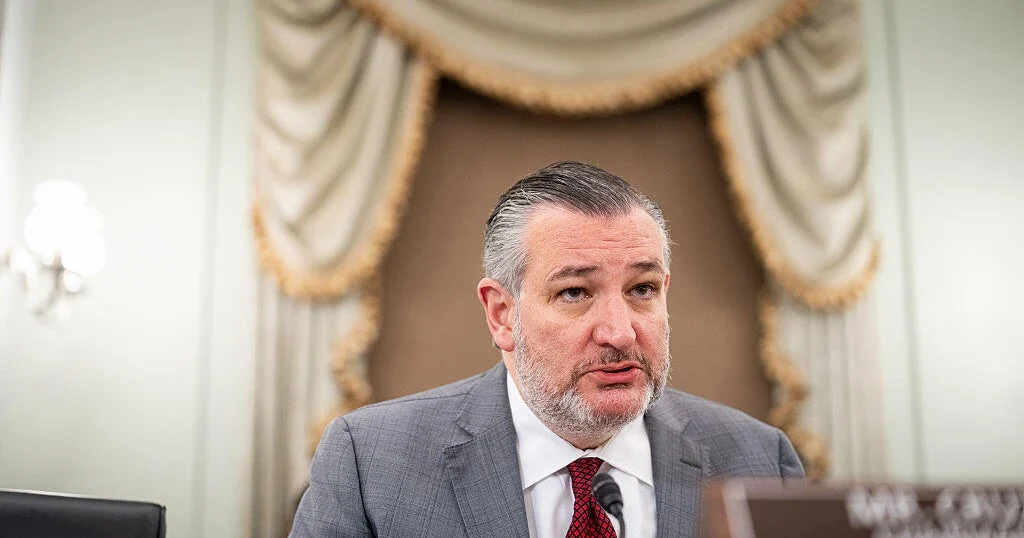
Sen. Ted Cruz of Texas described the session as “one of the roughest meetings” he has witnessed in the Senate, noting “fireworks at an epic level” and senators “yelling” at Blanche in frustration. Approximately 45 of the 53 Senate Republicans attended, with about half expressing serious objections.
The meeting was called to address Republican skepticism about the fund, which is intended to compensate individuals who claim they were politically persecuted. Some senators accused the Justice Department of “self-dealing” and questioned the fund’s potential misuse. Blanche sought to reassure them that payouts would exclude former President Trump, his family, and individuals involved in the Jan. 6, 2021, Capitol riot, particularly those accused of assaulting police or committing violent acts. Blanche reportedly responded firmly with “not just ‘no,’ but ‘hell no’” to concerns about those defendants receiving money.
This conflict over the fund had immediate legislative consequences. Senate Republicans had planned to vote on a reconciliation package funding border security and immigration enforcement through the remainder of Trump’s term. Though unrelated to the Justice Department fund, Democrats intended to propose amendments targeting it during the Senate’s vote-a-rama on the package.
Following the meeting, senators canceled planned votes and adjourned for the Memorial Day recess. Cruz indicated that without the fund’s announcement, the Senate would currently be advancing border security funding. He also warned that unless the administration modifies the fund, the Senate faces “a full-on revolt.”
A Justice Department spokesperson stated the meeting involved “a healthy discussion” and emphasized that the anti-weaponization fund is independent of any reconciliation funding. The spokesperson confirmed no reconciliation dollars would be allocated toward the fund and affirmed continued efforts to secure critical reconciliation funds.
Why it matters
The dispute highlights significant GOP resistance to the Justice Department’s political persecution fund, which threatens to stall unrelated immigration and border security legislation. The confrontation underscores deep divisions within the Republican caucus over perceived government overreach and the administration’s priorities, influencing legislative timelines during a sensitive funding period.
Background
The anti-weaponization fund emerged as part of an IRS lawsuit settlement initiated by former President Trump. It aims to provide financial compensation to individuals alleging political persecution by government entities. The provision has drawn controversy, particularly among conservative lawmakers wary of broader implications and misuse amid ongoing political tensions stemming from the 2020 election and January 6 Capitol attack investigations.
Sources
This article is based on reporting and publicly available information from the following source:
Read more Politics stories on Goka World News.