
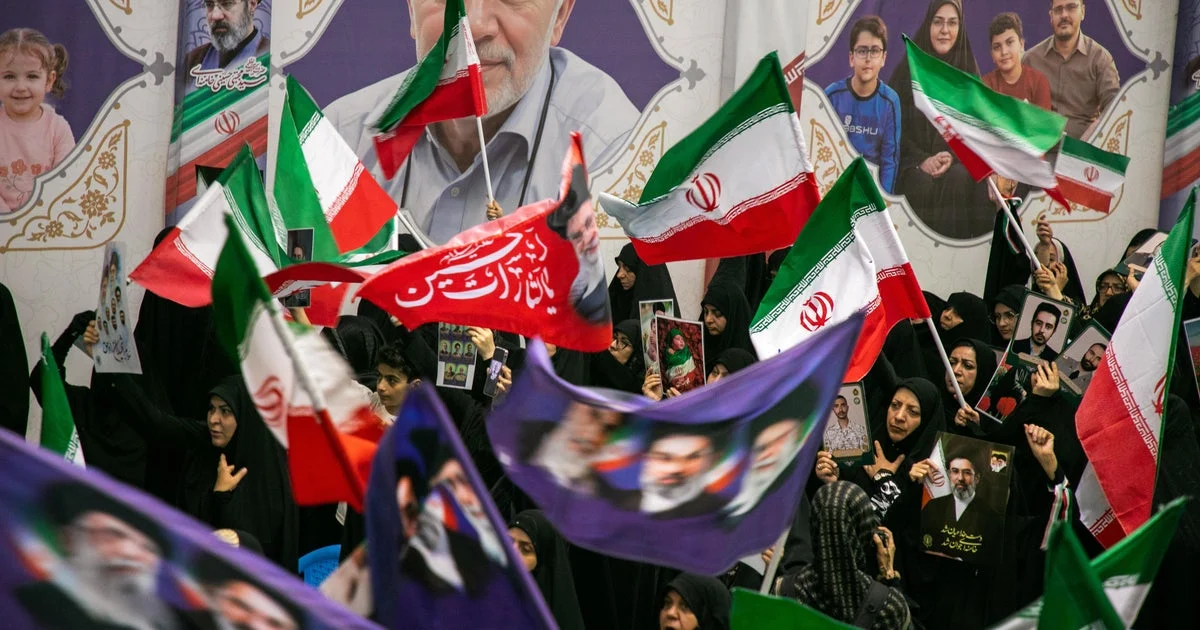
Iran has accused the United States of a “grave violation” of a fragile ceasefire following U.S. military strikes targeting Iranian forces in southern Iran and the Strait of Hormuz. The strikes, described by U.S. Central Command as “self-defense” actions, came amid ongoing diplomatic efforts to resolve the conflict.
What happened
On May 26, 2026, the U.S. military conducted overnight strikes on missile launch sites and boats near southern Iran attempting to lay sea mines in the Strait of Hormuz. Iran’s Islamic Revolutionary Guard Corps (IRGC) confirmed that at least four Iranian navy personnel were killed in the attacks. Tehran accused the U.S. of violating the ceasefire agreement and warned it would respond firmly while holding Washington responsible for any consequences.
Secretary of State Marco Rubio stated a diplomatic agreement with Iran remains possible, emphasizing President Trump’s stance of securing “a good deal or no deal” in negotiations. Meanwhile, Iran’s military spokesperson threatened that future aggression would lead to retaliation beyond the region’s borders but reiterated that Iran is not pursuing nuclear weapons.
China joined calls for all parties to respect the ceasefire and urged peaceful dispute resolution amid the heightened tensions. Concurrently, Iran began partially restoring internet access after an 88-day nationwide blackout related to the conflict’s escalation.
Why it matters
The U.S. strikes and Iran’s condemnation represent a critical escalation in an already volatile war that started in late February 2026. The breakdown in the ceasefire raises the risk of wider regional conflict involving Iran-backed militias such as Hezbollah, which Israel has targeted with increased airstrikes. Diplomatic efforts mediated by Pakistan and backed by major powers like China are under severe strain, complicating prospects for peace. Moreover, the long-standing internet blackout in Iran severely limited internal communication and access to information during the conflict but now signals a possible shift in the Iranian government’s control over the digital space.
Background
The conflict intensified in February 2026 after joint U.S.-Israeli military actions against Iran, triggering a series of retaliatory attacks and proxy engagements across the Middle East. Iran responded with missile strikes and support for regional militias, while the U.S. has conducted precision strikes claiming self-defense against threats to its forces. The Strait of Hormuz, a strategic shipping lane critical for global energy supplies, has been a focal point for naval confrontations. The war has caused severe humanitarian and economic disruptions, including internet blackouts previously used by Iran to control information during internal unrest.
Sources
This article is based on reporting and publicly available information from the following source:
Read more World News stories on Goka World News.