
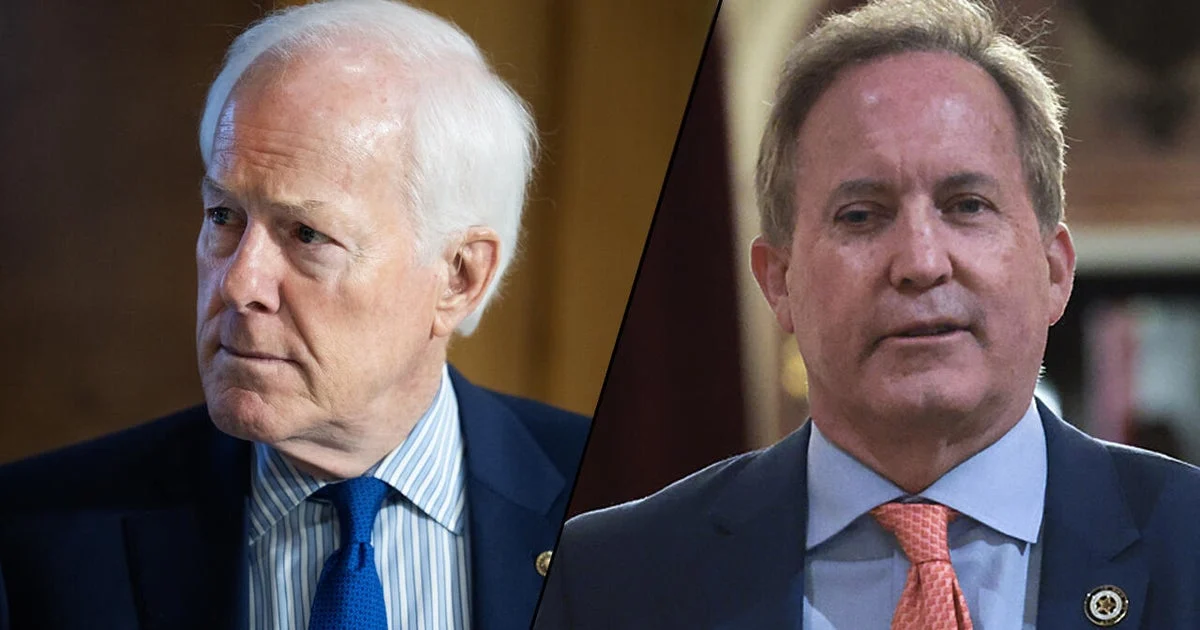
Texas Republicans will conclude the most expensive Senate primary in U.S. history on Tuesday, choosing between incumbent Senator John Cornyn and Attorney General Ken Paxton in a runoff election. With neither candidate securing a majority in the March primary, the outcome will significantly influence the Senate’s balance, especially after former President Donald Trump endorsed Paxton last week.
What happened
In the March primary, John Cornyn led a three-way race but failed to win over 50% of the vote, triggering the runoff against Ken Paxton. Cornyn, in the Senate since 2002 and a former GOP whip, has occasionally clashed with Trump but remained an ally during Trump’s second term. Paxton, Texas Attorney General since 2014, is a staunch Trump supporter and was backed by Trump’s endorsement one day after early voting began for the runoff.
The late endorsement tilted the race in Paxton’s favor, with political analysts noting it imposed a “steep cliff” for Cornyn. Trump’s influence was evident in other recent Republican primaries, where his favored candidates succeeded. Cornyn was viewed as the stronger general election candidate against the Democratic nominee James Talarico, raising concerns among Senate Republicans about the potential consequences of a Paxton victory, given his weaker fundraising record and ongoing legal controversies.
Paxton’s legal history includes a 2015 securities fraud indictment dropped in 2024 and a 2023 impeachment by the Texas House on charges including bribery, though he was acquitted by the state Senate. Despite these issues, Trump publicly supported Paxton following the impeachment trial. This runoff, combining both the March primary and runoff, has generated over $120 million in advertising expenditures, setting a spending record for Senate primaries.
Why it matters
This runoff will decide the Republican nominee in a state where Democrats have not won statewide office since 1994, making the winner the likely senator after the November general election. The race reflects broader national GOP dynamics, with Trump’s endorsement reshaping intraparty contests and influencing alignment within the party. Paxton’s legal controversies and allegiance to Trump could affect the Republican Party’s image and influence Senate fundraising strategies moving forward.
Beyond the Senate race, the runoff also features pivotal contests in other Texas Republican and Democratic primaries, affecting attorney general, congressional districts, and state regulatory commissions. These races shape Texas’ political landscape amid recent GOP-driven redistricting efforts.
Background
Texas held its primary elections on March 3, 2026, establishing several key runoffs as no candidates achieved outright majorities in various contests. The state’s redistricting by Republicans has increased GOP-leaning electoral districts, complicating incumbents’ paths. The Senate race pits long-term GOP figure Cornyn against Paxton, whose tenure as attorney general has been marked by both legal and political turmoil, including efforts to challenge the 2020 presidential election results. The runoff occurs amid growing financial investment and partisan tensions, highlighting the national significance of Texas statewide races ahead of the midterm elections.
Sources
This article is based on reporting and publicly available information from the following source:
Read more Politics stories on Goka World News.