
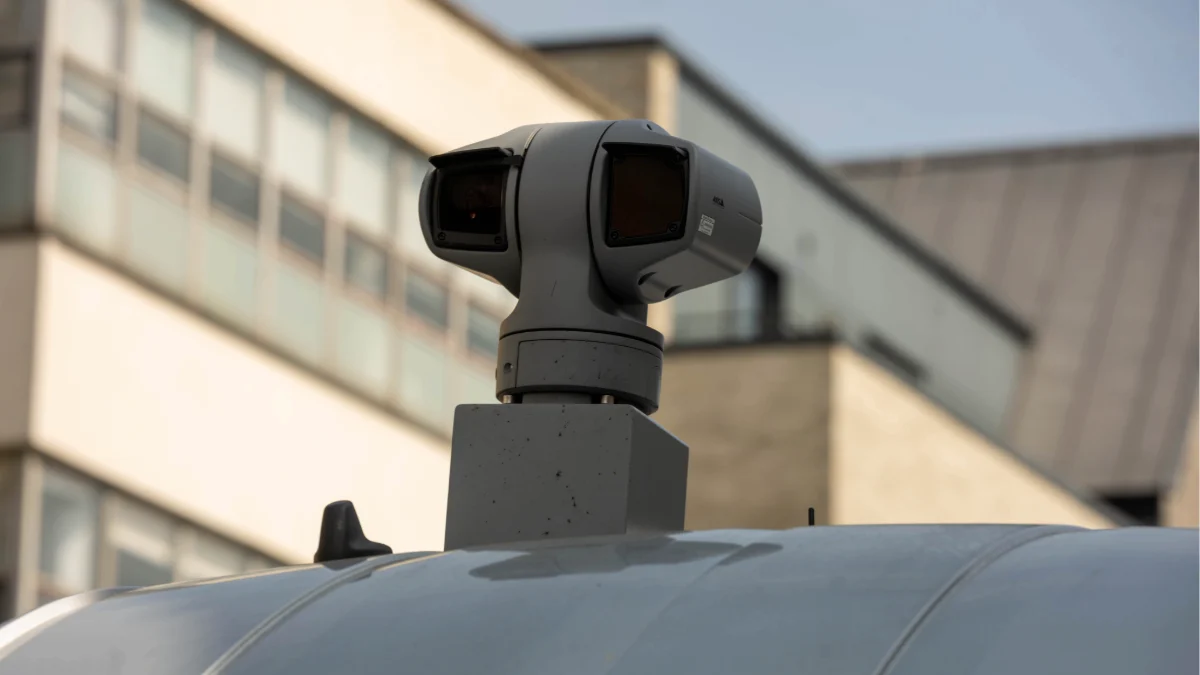
In February 2024, Shaun Thompson was mistakenly identified by the Metropolitan Police’s live facial recognition system as a suspect wanted for grievous bodily harm, leading to his brief detention and subsequent release when the error was discovered. Thompson challenged the legality of police facial recognition use, which currently operates without specific legislation approved by the UK Parliament. In April 2026, the High Court ruled in favor of the Metropolitan Police, affirming that their deployment of live facial recognition technology is lawful under existing police policies rather than requiring new statutory safeguards.
What happened
Thompson’s challenge was based on the lack of clear legal framework specifically authorizing or regulating facial recognition technology (FRT) use by police forces. This technology, which compares faces captured in public with watchlists, has been deployed in the UK for more than a decade without dedicated legislation, relying instead on internal police policies and data protection safeguards. The High Court, however, limited its review to the Metropolitan Police’s current policy on facial recognition, rejecting broader concerns about potential future misuse, racial bias, or mass surveillance impacts.
The ruling effectively confirmed police can continue using facial recognition as long as their internal policies meet existing data protection and human rights standards. The court declined to address wider systemic issues or the social consequences of expanded biometric surveillance, framing these as political decisions outside judicial review.
Following the judgment, the Metropolitan Police reported results from a six-month facial recognition trial in Croydon, which contributed to 173 arrests—including a woman wanted for over 20 years—and deployed the technology at a controversial far-right rally in London, illustrating the police’s intent to expand use under the current legal regime.
Why it matters
This ruling removes a major legal barrier to broader deployment of live facial recognition in the UK, a country already among the most surveilled in the West. Civil liberties advocates argue it creates a concerning precedent where courts defer to police policy without requiring parliamentary scrutiny or explicit laws. The decision raises urgent questions about privacy, racial bias, and the oversight of biometric technologies, especially as governments worldwide wrestle with the balance between security and civil rights.
With courts unwilling to consider wider social and ethical implications, campaigners face a deadlock where regulators, lawmakers, and the judiciary pass responsibility. As police expand facial recognition use, the absence of clear statutory safeguards may lead to unchecked surveillance practices, heightening public concerns about digital rights and government accountability.
Background
Previous legal challenges, notably Bridges v. South Wales Police (2020), established that facial recognition interferes with privacy rights under the European Convention on Human Rights and highlighted risks of racial and gender bias. That ruling required police to improve their policies but did not ban the technology. In the UK, facial recognition has been primarily governed by internal policies designed to comply with the Data Protection Act and Human Rights Act, without specific parliamentary legislation.
The broader debate over facial recognition continues amid fears it may enable mass surveillance reminiscent of dystopian fiction. Despite public unease, especially following backlash against other digital identity proposals, UK authorities have so far refrained from enacting new laws to regulate the technology, leaving its governance fragmented and reliant on police discretion.
Sources
This article is based on reporting and publicly available information from the following source:
Read more Digital Policy stories on Goka World News.