
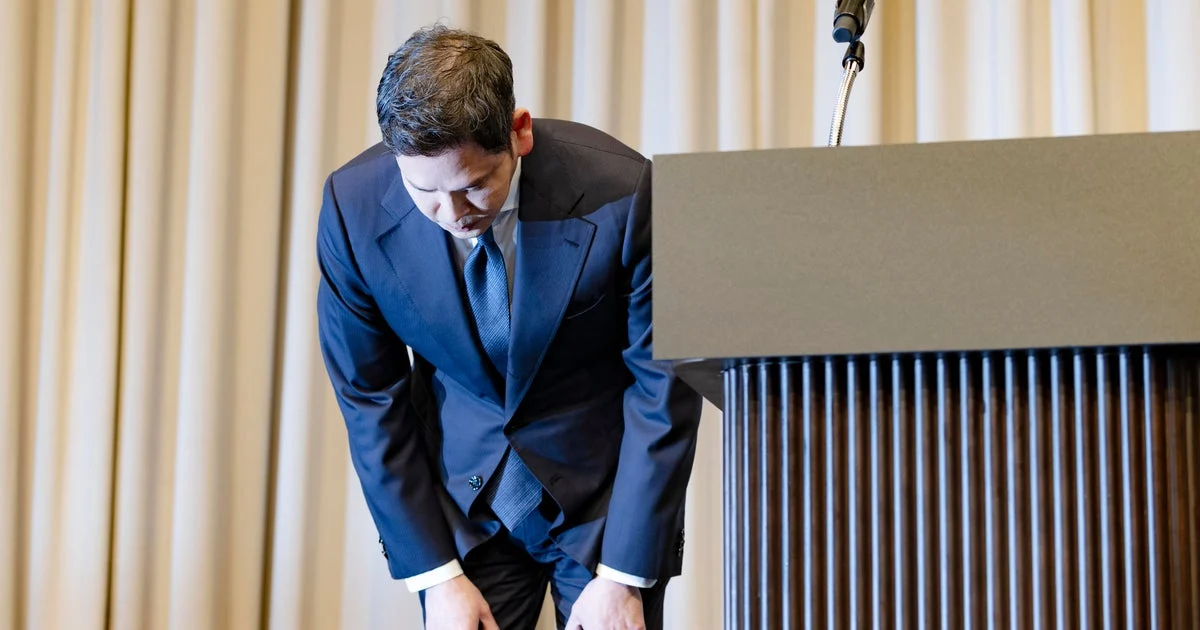
Chung Yong-jin, chairman of South Korea’s Shinsegae Group, publicly apologized for a Starbucks Korea marketing campaign that provoked widespread outrage by seeming to mock victims of the 1980 Gwangju pro-democracy uprising. Chung issued his second apology in two weeks during a televised press conference on May 26, asking forgiveness from the victims’ families and the general public.
What happened
Starbucks Korea launched a marketing promotion for a large tumbler labeled as a “tank” and declared May 18 as “Tank Day.” This date marks the anniversary of the Gwangju uprising, when government troops violently suppressed pro-democracy protesters with tanks and helicopters, resulting in hundreds of deaths and injuries.
Adding to the controversy, the campaign used the slogan “Thwack it on the table!,” which many interpreted as referencing a 1987 police statement that sought to cover up the torture death of student activist Park Jong-chol, who died after police allegedly “hit the desk with a thwack.”
The promotion sparked immediate public backlash, leading Shinsegae to cancel it within hours and dismiss the chief executive of Starbucks Korea. Police also launched an investigation following complaints from victims’ families.
Chung emphasized that the company takes the offense caused seriously and urged the public not to direct anger toward Starbucks store employees, attributing responsibility to management instead. Despite the controversy, no major incidents were reported at Starbucks locations.
Why it matters
The campaign touched a raw nerve in South Korea, where the Gwangju massacre is a deeply significant event symbolizing the struggle for democracy against military dictatorship. The marketing misstep damaged Starbucks Korea’s reputation and led to calls for boycott, including government officials banning its use at public events.
South Korean President Lee Jae Myung condemned the campaign as “inhumane and disgraceful,” highlighting the sensitivity around historical memory and corporate accountability in the country. The incident has revealed tensions between business marketing strategies and respect for national history.
Background
The Gwangju uprising of May 18, 1980, was a pivotal moment when citizens protested the military dictatorship of General Chun Doo-hwan. The government’s violent crackdown killed an estimated 200 people, though activists believe the toll was higher. This event eventually contributed to nationwide protests that led to South Korea’s transition to democracy in 1987.
Shinsegae Group, which owns a 67.5% stake in Starbucks Korea, has been conducting internal reviews and cooperating with police investigations into the marketing campaign. Company executives have denied intent to mock the democracy movement, but some employees resisted requests to submit phones for review. The company stated any employees proven to have intended ridicule will face dismissal.
Sources
This article is based on reporting and publicly available information from the following source:
Read more World News stories on Goka World News.