
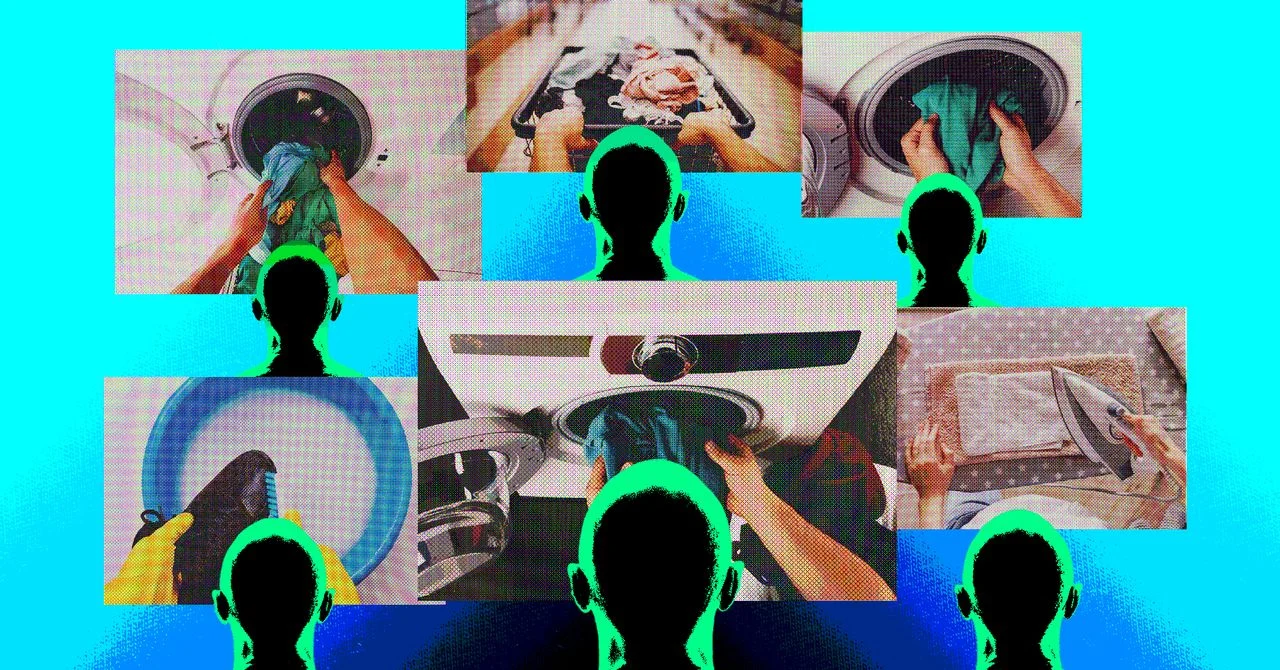
Gig economy workers are increasingly recording themselves performing household chores to generate first-person video data, which tech companies use to train artificial intelligence-based robots. These videos capture detailed hand movements critical for developing robots with fine motor skills, yet workers earn modest compensation through this emerging data collection niche.
What happened
Tech startups such as Kled, Luel, and Waffle Video are paying gig workers to record egocentric videos—footage captured from cameras worn on a person’s head or chest—that show everyday activities like washing dishes, folding laundry, and handling trash. These videos provide hyperspecific training data needed to refine humanoid robots’ ability to perform household tasks.
Kled’s founder Avi Patel envisions widespread participation in such data collection, emphasizing its potential to free people from chores. The company works with over 300,000 users worldwide and focuses heavily on fraud detection and privacy, ensuring submissions are anonymized and meet strict quality standards. However, users must upload large amounts of data before becoming eligible for payment.
Luel, another data platform, offers $6.60 per hour of such video content but enforces rigorous requirements, including camera angle and hand visibility. Despite initial video rejections, users can receive delayed payments if standards are partially met. Meanwhile, Waffle Video pays substantially higher rates—around $25 per hour of recorded video—and provides clear, detailed instructions for each task, along with recurring revenue if videos are licensed to multiple buyers.
While payments remain modest overall, some workers have benefited through continuous submissions, with companies like Kled reporting top earners making thousands monthly. Still, the majority of participants earn small sums, reflecting the gig nature of this work. Specialists, such as expert chefs filming precise techniques, may command higher pay due to the unique value of their content.
Why it matters
This trend marks a novel intersection between the gig economy and artificial intelligence development, with human workers generating critical training data for robots expected to manage complex household and manual tasks. It highlights how emerging AI technology depends on mass data collection from everyday life and raises questions about the sustainability and fairness of these gig roles, given the low pay and unstable work conditions.
As demand for precise, egocentric video data grows, these platforms could expand, possibly creating new income streams for some but also accelerating concerns about job displacement as robots become more capable. The human role in “training” future assistants underscores a transition point where AI technology leverages large-scale human labor to progress toward greater autonomy.
Background
Egocentric video data collection has surged recently as AI companies strive to improve robot manipulation and perception through detailed real-world recordings. Unlike publicly available videos, these curated clips show highly specific tasks from a first-person perspective, providing the nuanced visual input essential for robots to learn fine motor skills and situational awareness.
Platforms like DoorDash’s Tasks app and startups such as Kled, Luel, and Waffle began marketing these gigs globally, initially gaining traction in lower-wage countries where uploading hours of video can supplement income. Expansion into the U.S. gig economy signals growing corporate investment in AI data acquisition, but it also raises issues around worker rights, privacy, and remuneration within this new form of digital labor.
Sources
This article is based on reporting and publicly available information from the following source:
Read more Artificial Intelligence stories on Goka World News.