
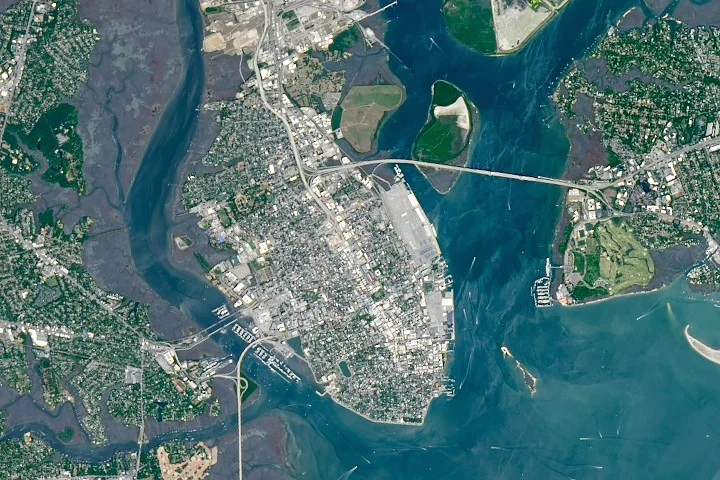
On May 1, 1865, Charleston, South Carolina, hosted one of the earliest documented Decoration Day ceremonies, an event honoring fallen Civil War soldiers that served as a precursor to the modern Memorial Day holiday.
What happened
Following the end of Confederate control in Charleston in February 1865 and the emancipation of thousands of enslaved individuals, Union forces discovered mass graves containing 257 soldiers near the Washington Race Course and Jockey Club, a former prison camp. These soldiers were reburied in a new cemetery nearby. To honor them, approximately 10,000 people gathered at the racetrack site for a memorial event. The ceremony featured thousands of schoolchildren carrying roses, women bearing flowers and wreaths, troops marching in double-time, choir performances of the “Star-Spangled Banner,” and Bible readings delivered by local ministers. Freedmen, missionaries, teachers, and soldiers all participated in the observance.
Why it matters
This early Decoration Day event highlights the deep roots of Memorial Day in American history. It reflects a shared desire to commemorate those who died defending the country during the Civil War, a conflict that claimed nearly 700,000 lives. The Charleston ceremony is among many local observances from the war’s aftermath that eventually led to the formal creation of Memorial Day as a national holiday. These gatherings helped establish traditions of honoring military dead through floral tributes, parades, and public ceremonies that continue today.
Background
The term “Decoration Day” was formally adopted nationally in 1868, when the Grand Army of the Republic, a Union veterans’ group, designated May 30 as a day to decorate the graves of fallen soldiers. However, informal commemorations had emerged in at least 25 locations across the United States by that time, including cities in the South, Mid-Atlantic, and Midwest. Charleston’s May 1865 event is notable for its size and participation by formerly enslaved people. In 1968, the Uniform Monday Holiday Act established Memorial Day as the last Monday in May, standardizing the holiday nationwide. The act followed official congressional recognition of Waterloo, New York’s 1866 ceremony as the birthplace of Memorial Day.
Today, the site of Charleston’s racetrack memorial is Hampton Park, where physical traces of the racecourse remain visible, including from satellite images captured by NASA’s Landsat 9. The city itself has grown since the Civil War, now home to around 160,000 residents compared to 40,000 before the conflict.
Sources
This article is based on reporting and publicly available information from the following source:
Read more US News stories on Goka World News.