
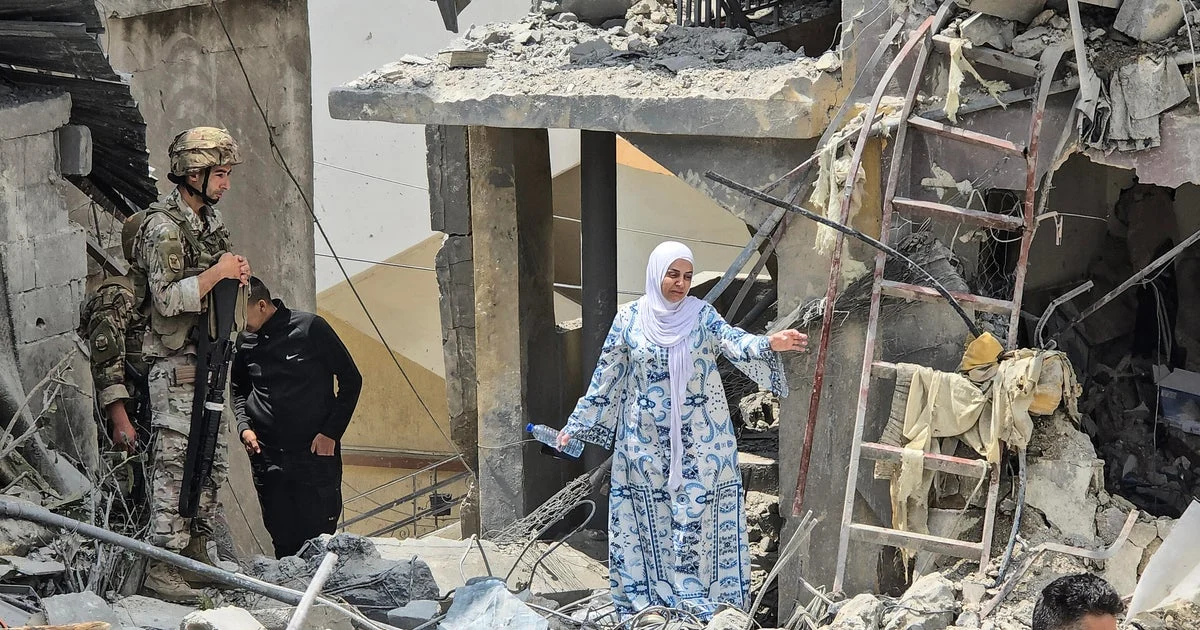
Israel has intensified military operations against Hezbollah targets in Lebanon as diplomatic negotiations between Iran and the United States appear to be progressing toward a potential agreement. The escalation highlights ongoing regional instability amid efforts to resolve conflicts through diplomacy and alliance-building.
What happened
On Wednesday, the Israel Defense Forces (IDF) announced they had moved their evacuation line in Lebanon northward from the Litani River to the Zahrani River, declaring all areas south of the Zahrani now combat zones. This adjustment reflects Israel’s expanded military operations north of its border.
Israeli forces launched strikes on command centers in Tyre, a city approximately 12 miles north of the Israeli border, following calls for evacuations in the area. Since the start of the week, Israel reported striking 550 Hezbollah targets across Lebanon. Lebanese officials reported that Israeli attacks on Tuesday killed over 30 people.
Meanwhile, tensions remain high in the Strait of Hormuz, a critical international shipping lane. President Donald Trump emphasized the strategic importance of this waterway, asserting that no single country, including Iran or Oman, will control it amid ongoing negotiations. He warned Oman against attempts to assert control, threatening military consequences if necessary.
President Trump described Iran as “negotiating on fumes” during a White House Cabinet meeting, signaling both pressure and readiness for renewed military action if diplomatic talks fail. Trump also made the signing of the Abraham Accords by Gulf countries such as Saudi Arabia, Qatar, and others a potential condition for finalizing any deal with Iran. The Abraham Accords involve normalizing relations between Israel and several Arab states, including the UAE, Bahrain, Morocco, Sudan, and Kazakhstan.
Iran’s Revolutionary Guard described renewed direct conflict with the U.S. as unlikely but stated its preparedness for any outcome as negotiations continue.
Why it matters
Israel’s intensified strikes on Hezbollah demonstrate the fragility of regional security amid ongoing Iran-U.S. negotiations. Hezbollah’s presence in Lebanon remains a focal point for Israeli security concerns, with escalation risking broader conflict.
The push for Gulf countries to join the Abraham Accords ties regional diplomatic normalization to the Iran nuclear and military issue, reflecting an effort to reshape Middle East alliances and reduce long-standing hostilities.
Control and security of the Strait of Hormuz is vital for global oil shipments. Any disruption could have major economic impacts, underscoring the importance of the U.S. stance against Iranian dominance of the strait.
Background
The conflict follows months of heightened tensions after U.S. military strikes targeted Iranian assets, depleting missile stockpiles that experts say could take years to replenish. Israeli concerns about Hezbollah’s military capabilities have fueled repeated strikes in southern Lebanon.
The Abraham Accords, initiated in 2020 under Trump’s first term, marked a significant shift with several Arab states normalizing relations with Israel. Expanding this framework to include Saudi Arabia and Qatar could dramatically alter regional dynamics.
Negotiations over Iran’s nuclear program and regional behavior have continued amid heightened sanctions and military actions. U.S. officials cautiously monitor Iran’s willingness to reach a compromise while maintaining preparedness for further conflict if diplomacy fails.
Sources
This article is based on reporting and publicly available information from the following source:
Read more World News stories on Goka World News.