
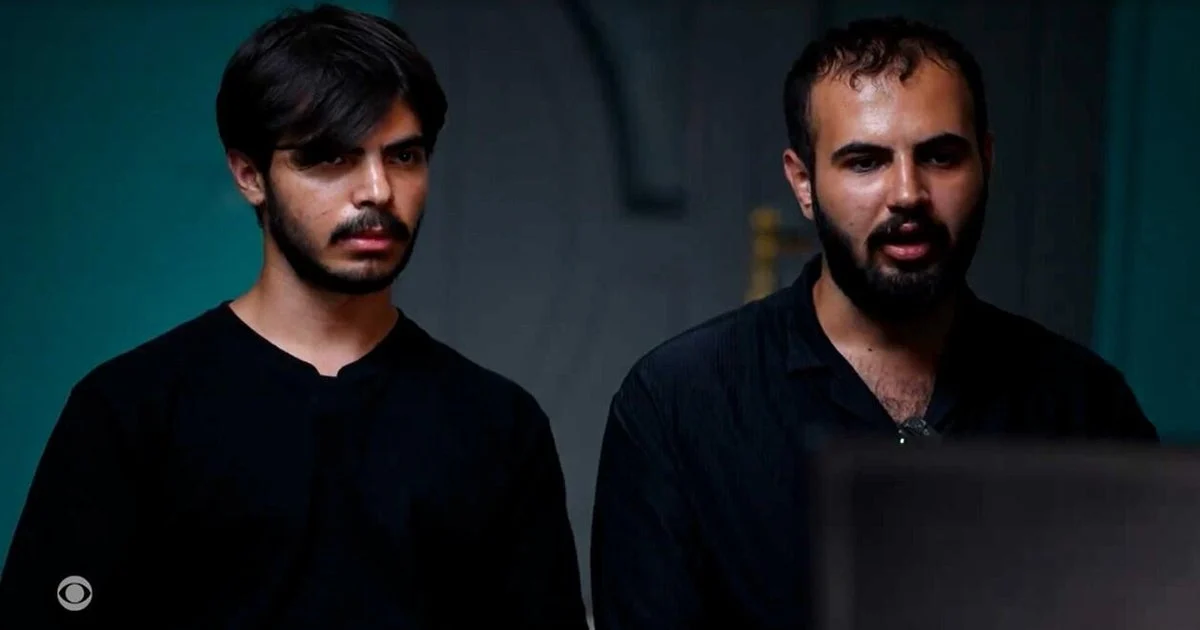
Two Iranian brothers who participated in recent nationwide protests say the country’s ruling regime has intensified its repression amid ongoing conflict and a fragile ceasefire with the United States. Speaking from refuge in Iraqi Kurdistan, they describe worsening conditions and widespread government brutality.
What happened
Karvan, 22, and his younger brother Kavian fled Iran on May 13 after months in hiding, citing fears of arrest and execution. They had joined the “Woman, Life, Freedom” protests in 2022 sparked by the police custody death of Mahsa Amini, a fellow Kurdish Iranian. The brothers also took part in mass demonstrations in January 2026, which were violently suppressed. Although Iran and the U.S. declared a ceasefire on April 8, the brothers report no meaningful relief, with arrests and intimidation continuing especially in the Kurdish region.
Security forces have increased checkpoints where IDs and phones are scrutinized, and many protesters face allegations of espionage. The Hengaw Organization for Human Rights estimates that around 40,000 people were detained during the recent protests, with at least 31 sentenced to death and 15 already executed.
“During the war, the situation was chaotic, but after the ceasefire the regime became even more extreme against the people,” the brothers said. They regret leaving their family and studies behind but felt compelled to expose the regime’s harsh tactics to the world.
Why it matters
The brothers’ testimony highlights the deepening human rights crisis in Iran despite ongoing international diplomatic efforts and ceasefire agreements. The regime’s intensifying crackdown threatens the safety of civilians and undermines hopes for political change. This situation complicates global discussions regarding Iran’s nuclear program and the broader strategic stability in the Middle East.
Human rights organizations’ documentation of mass arrests, executions, and torture serves as a stark warning against normalizing relations with the Iranian government without addressing internal repression.
Background
Iran has been ruled by the Islamic Republic since 1979. The death of Mahsa Amini in September 2022 ignited nationwide protests, leading to extensive crackdowns. President Trump, before leaving office, had announced a ceasefire with Iran in April 2026 amidst ongoing hostilities. However, ongoing tensions persist as indirect negotiations continue, and the regime tightens its grip domestically.
The Kurdish minority in western Iran has historically faced discrimination and distrust from Tehran. The current unrest underscores longstanding ethnic and political grievances.
Sources
This article is based on reporting and publicly available information from the following source:
Read more World News stories on Goka World News.