
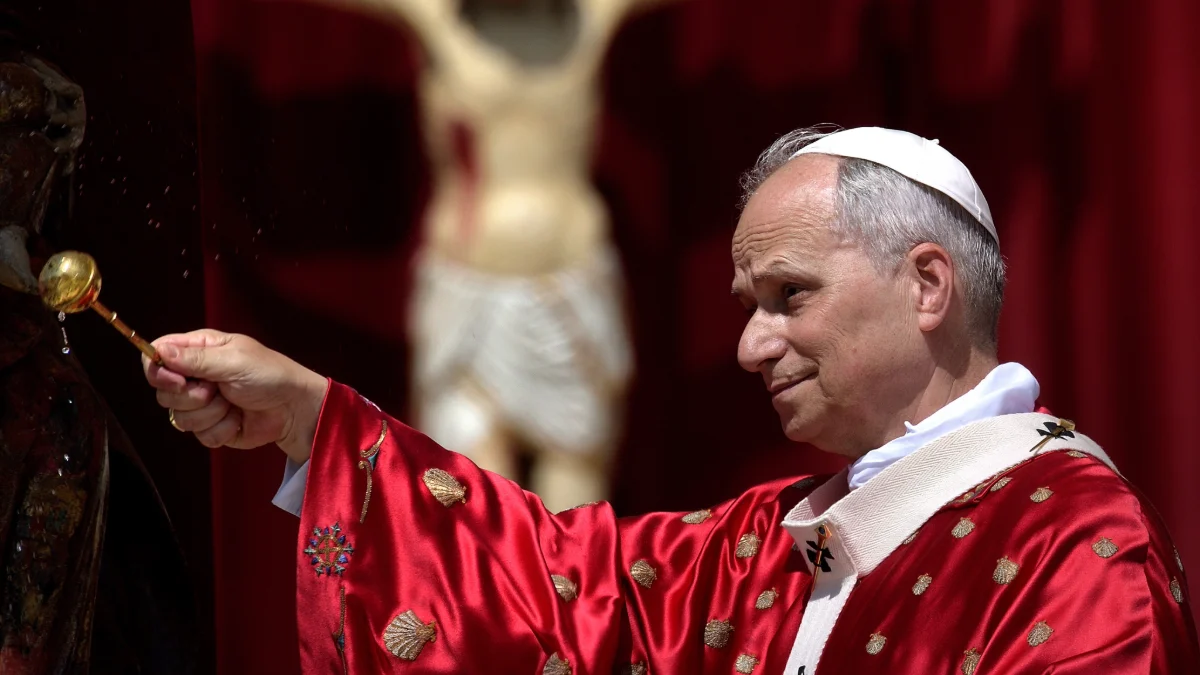
Artificial intelligence is increasingly entering spiritual spaces, raising urgent ethical and legal questions about the protection of sacred human expression, experts warn. As AI tools generate sermons, answer theological inquiries, and simulate pastoral empathy, critical concerns emerge over how these systems transform spiritual authority and the meaning of faith in the digital era.
What happened
Pope Leo XIV’s recent encyclical Magnifica Humanitas highlights the profound risks AI poses to areas such as labor, truth, and inequality. Yet, experts emphasize a largely overlooked aspect: the spiritual implications of AI technologies reshaping prayer, confession, grief, moral discernment, and communal religious life. AI-driven chatbots and generative models now produce devotional content, interprets spiritual dilemmas, and engage users in emotionally intimate dialogues.
This shift converts deeply personal spiritual expressions—like prayers and confessions—into data processed by systems designed to optimize prediction and engagement rather than uphold ethical or covenantal responsibility. Unlike traditional religious institutions grounded in communal trust and human accountability, AI systems operate under proprietary models and terms of service, altering how spiritual authority is experienced and mediated.
Such developments prompt questions about governance and rights: Who controls this “sacred data”? Who benefits from its extraction and use? Current U.S. privacy laws do not differentiate spiritual communications from routine consumer data, and clergy-penitent privileges do not cover interactions with AI. This gap leaves spiritual vulnerability unprotected in digital contexts, particularly impacting communities like Black churches, where religious spaces have historically supported broader cultural and political resilience.
Why it matters
The infusion of AI into spiritual life extends beyond isolated religious practices, influencing moral formation, community cohesion, and cultural values with broad social consequences. As AI shapes patterns of belief and moral reasoning through data-driven feedback loops, human discernment risks being supplanted by algorithmic outputs optimized for engagement metrics instead of wisdom or care.
Without deliberate ethical, legal, and cultural frameworks to safeguard sacred human expression, AI’s role in spirituality may erode trust, autonomy, and the sanctity of religious experience. This highlights a crucial frontier for digital policy, bridging technology governance with respect for human dignity and freedom in the digital age.
Background
Ongoing policy debates around AI have predominantly focused on material harms like algorithmic bias, surveillance, misinformation, and labor displacement. However, spiritual and emotional dimensions of AI’s integration into personal and communal life have remained less examined. The emerging interdisciplinary field of “sacred data ethics” aims to address this oversight by analyzing the intersection of AI, faith, law, and human autonomy.
This framework explores how spiritually significant data—including prayers, confessions, grief, and moral struggles—can be stored, modeled, and repurposed by AI platforms lacking transparency or accountability reflective of religious and cultural values. Efforts to develop protective governance mechanisms for sacred data are nascent but increasingly critical as AI technology evolves and becomes embedded in daily spiritual practice.
Sources
This article is based on reporting and publicly available information from the following source:
Read more AI Regulation stories on Goka World News.