
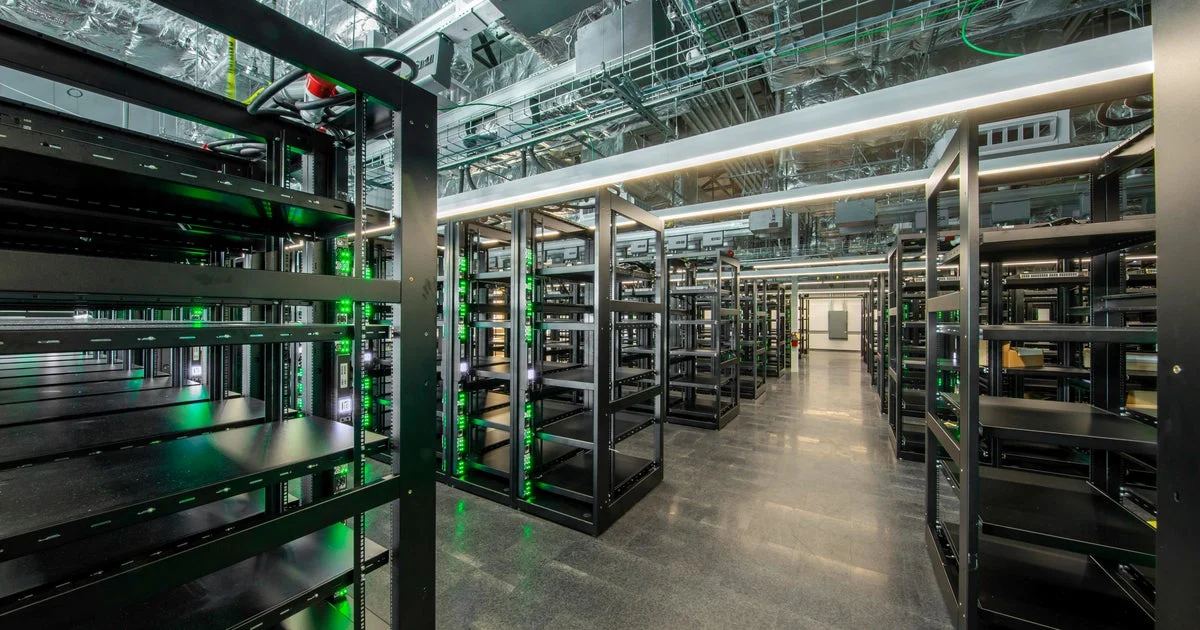
Rapid expansion in data center construction across the U.S. is fueling a surge in blue-collar job opportunities, primarily in construction and technical maintenance roles, amid growing investments linked to artificial intelligence infrastructure.
What happened
The U.S. is currently experiencing a wave of data center developments, with approximately 3,000 new facilities announced or under construction, supplementing the nation’s existing 4,000 centers. These projects are creating significant short-term employment, mainly in construction, as companies build the facilities needed to power AI and digital services.
According to a 2025 report by the American Edge Project, a policy group backed by Meta, these data center ventures are expected to generate around 4.7 million temporary construction jobs and nearly 700,000 permanent positions for ongoing operation and maintenance.
While the number of long-term roles is comparatively small because data centers are capital-intensive and require fewer full-time workers, demand is growing for specialized data center technicians. These workers monitor, repair, and maintain server farms around the clock, with median salaries near $88,000 annually, according to Glassdoor data. Major tech companies like Microsoft, IBM, Amazon, and Google are actively recruiting for these positions.
The local economies hosting new data centers also benefit during construction phases, as incoming workers stimulate hospitality and service industries.
Why it matters
This data center buildout represents one of the fastest-growing segments of blue-collar employment tied to emerging technology infrastructure, providing significant job opportunities as AI expands.
However, the temporary nature of most construction jobs and the limited permanent staffing needs highlight the need for workers to gain specialized skills to secure longer-term employment in this sector. Additionally, the growth raises policy and community concerns, including strain on local power grids, environmental impact, and debates over tax incentives offered to attract such facilities.
Background
Data centers are highly capital-intensive facilities that house computer servers enabling cloud computing, AI processing, and internet services. Their construction supports the broader tech industry’s growth, fueled by rising demand for AI capabilities and digital infrastructure.
Spending on data centers is projected to reach as much as $7 trillion by 2030, according to consultancy McKinsey, making them a major economic and employment driver despite criticisms from locals and activists about their consumption of resources and the scale of public subsidies.
Sources
This article is based on reporting and publicly available information from the following source:
Read more Business stories on Goka World News.