
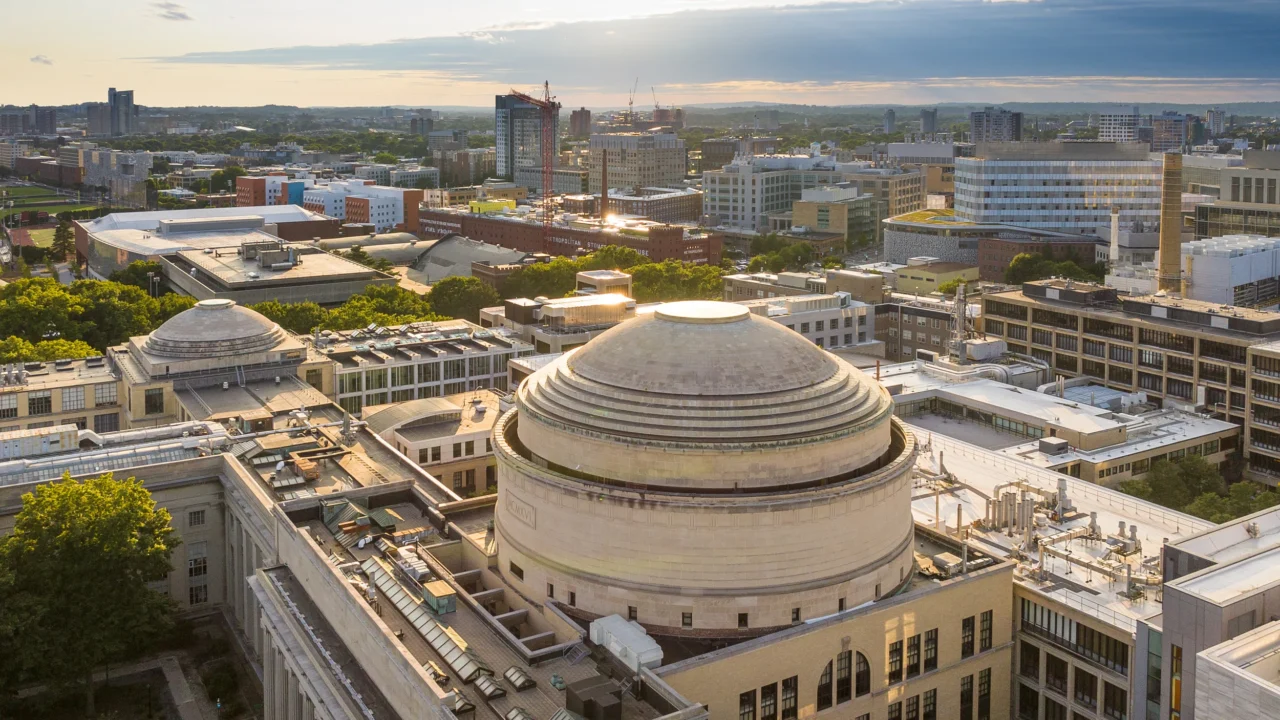
MIT, in partnership with Massachusetts state officials, has announced the establishment of the Quantum Systems Laboratory (QSL), a facility designed to accelerate the development of next-generation quantum technologies and secure the region’s leadership in this critical field.
What happened
On May 28, MIT President Sally Kornbluth and Massachusetts Governor Maura Healey revealed plans for the QSL at MIT’s campus. The lab will house a state-of-the-art quantum computer along with essential hardware such as sensors and quantum interconnects, enabling the development of scalable and practical quantum technologies. Located in Building 39, the lab will serve as a shared resource open to researchers both within MIT and from other institutions across the region.
The project is supported by a $25 million investment from Massachusetts, which will complement existing federal quantum research funding and philanthropic donations, including support from Thomas Tull. Construction is expected to begin as early as summer 2024, creating over 150 on-site jobs and additional employment across state supply chains and services.
Why it matters
The Quantum Systems Laboratory aims to consolidate the concentrated quantum talent in Greater Boston and provide cutting-edge infrastructure that is essential for breakthroughs. Quantum technologies hold transformative promise across multiple sectors including computing, national security, navigation, health sciences, and space exploration.
By hosting a shared hub for quantum research and commercialization, the lab will strengthen Massachusetts’ position as a national and global leader in quantum innovation. It will support academic collaboration and the advancement of startups, fostering economic growth in a sector already valued at billions of dollars locally. The initiative also aligns with workforce development in a high-tech, emerging industry.
Background
The QSL facility is the physical centerpiece of MIT’s Quantum Initiative (QMIT), announced in December 2023, and complements existing facilities such as MIT.nano and MIT Lincoln Laboratory’s SQUILL foundry. These centers have been instrumental in democratizing access to quantum hardware and establishing standards in quantum information research and development.
Massachusetts has consistently invested in technologies where it maintains a concentration of talent and startups. MIT’s broader entrepreneurial ecosystem, documented in a 2015 report by Sloan Professors Edward Roberts and Fiona Murray, demonstrates the significant economic impact of its alumni-founded companies, which collectively generate nearly $2 trillion in annual revenues worldwide.
The creation of QSL is part of ongoing efforts to scale quantum technology from experimental stages to practical real-world applications, a transition requiring meticulously controlled environments and intersecting expertise.
Sources
This article is based on reporting and publicly available information from the following source:
Read more Science & Technology stories on Goka World News.