
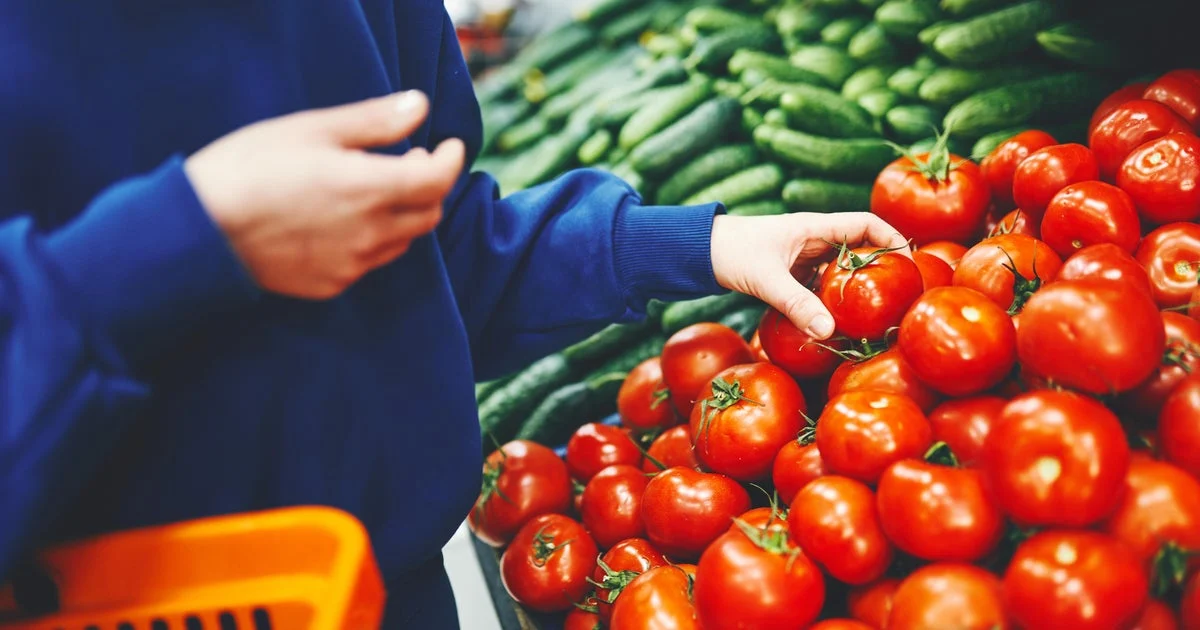
Tomato prices in the United States have surged nearly 40% over the past year, reaching a record average of $2.69 per pound in April. This sharp increase significantly outpaces the overall 17% rise in food costs, according to government data.
What happened
A combination of factors is driving up tomato prices across the country. Key among them is the imposition of a 17% tariff on Mexican tomatoes by the U.S. government in July, marking the end of a 30-year trade agreement that allowed duty-free tomato imports from Mexico. Nearly 90% of U.S. tomato imports come from Mexico, so the new tariffs have had a substantial impact. U.S. tariffs collected on tomatoes jumped from just $16,424 in 2024 to nearly $4.6 million, reflecting this policy change.
Adverse weather and plant disease have also reduced tomato production in both Mexico and Florida, tightening supply while other produce remains relatively unaffected. The supply shrinkage is amplifying price pressures in the market.
Additionally, higher oil prices linked to the conflict in Iran have increased transportation costs. Tomatoes are shipped mostly via refrigerated trucks, which require substantial diesel fuel both to power vehicles and maintain cooling, further driving up costs.
Why it matters
The surge in tomato prices illustrates how trade policies, environmental factors, and global conflicts can converge to affect everyday consumer prices. These price spikes impact food budgets nationwide, highlighting vulnerabilities in supply chains that rely heavily on imports. The tariff-driven increase signals tension between supporting American agriculture and maintaining affordable food costs for consumers.
Background
For three decades, the United States and Mexico benefited from a trade agreement allowing duty-free tomato imports, which helped stabilize prices and supply. The recent U.S. withdrawal from this agreement and enactment of tariffs represents a significant trade policy shift intended to support domestic growers but which has raised consumer costs.
Tomatoes hold a central place in American diets and culinary habits, making their price swings especially noticeable. The broader context includes persistent supply chain challenges from climate-related impacts and geopolitical tensions influencing fuel prices, affecting the cost of transportation for perishable goods.
Sources
This article is based on reporting and publicly available information from the following source:
Read more Business stories on Goka World News.