
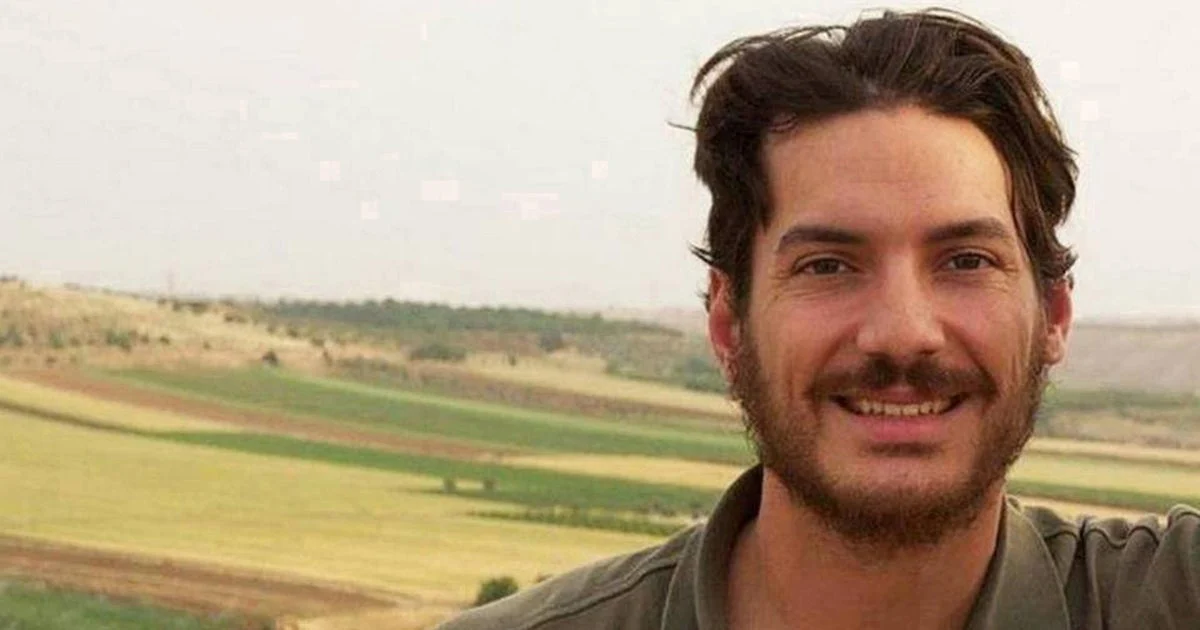
The Trump administration sought assistance from Russia during its first term to secure the release of American journalist Austin Tice, who disappeared while reporting in Syria in 2012, according to Robert O’Brien, former U.S. national security adviser. Intelligence suggested Tice was likely still alive, but diplomatic efforts failed to locate him.
What happened
Robert O’Brien, who initially served as the administration’s hostage negotiator, reached out to Nikolai Patrushev, Russia’s national security adviser, to request Russia’s influence with Syrian President Bashar al-Assad to free Tice. Russia had been a key patron supporting Assad’s regime since its military intervention in 2015. Although Patrushev agreed to attempt intervention, the efforts ultimately “ran into a brick wall,” O’Brien revealed in his forthcoming book.
Austin Tice, an American freelance journalist and former Marine, disappeared in August 2012 amid the Syrian civil war. A video emerged weeks later showing Tice blindfolded and held captive, marking the last confirmed sighting. Over the years, multiple actors pursued leads to secure Tice’s release. These included Kash Patel, actor Sean Penn, the Vatican, Jordan’s King Abdullah II, Czech officials, Gulf states, and a Lebanese businessman who claimed to have met Tice in captivity.
In late 2020, O’Brien dispatched Kash Patel and Roger Carstens (O’Brien’s successor as special envoy for hostage affairs) to meet Syria’s intelligence chief Ali Mamlouk in Damascus. The visit posed significant risks, prompting U.S. military surveillance for protection, but did not result in Tice’s release. Secretary of State Mike Pompeo expressed concerns about the mission, balancing risk and sanctions policy toward Assad.
Sean Penn reported a claim from Lebanese businessman Elias Kwaham about seeing Tice alive at a meeting arranged by Assad’s regime, but no breakthrough followed. Efforts with Jordanian security services and the Vatican also failed to produce new evidence. O’Brien noted that Assad advised more transparent communication from the U.S. regarding Tice’s release.
In 2024, the CIA revised its assessment with low confidence that Austin Tice may be deceased, although no definitive confirmation exists to date. The Trump administration successfully recovered 55 Americans from various countries during its first term, with over 80 more recovered under the current administration.
Why it matters
Austin Tice’s prolonged captivity highlights the complexities and dangers of negotiating hostage releases in conflict zones where official diplomatic ties are absent. The U.S. reliance on Russia’s influence over Assad demonstrates Washington’s pragmatic but fraught approach to resolving hostage situations amid broader geopolitical challenges. The case underscores ongoing concerns about the safety of journalists in war zones and the challenges in obtaining proof of life in clandestine captivity.
Background
Austin Tice went missing in Syria in 2012 while covering the civil war as a freelance journalist. His disappearance drew international attention, but the Assad regime never acknowledged holding him. The U.S. has no direct diplomatic relations with Syria, complicating official efforts. Over the years, multiple high-profile intermediaries have attempted to negotiate his release or confirm his status, reflecting the broader difficulties in handling hostages in hostile regions.
Sources
This article is based on reporting and publicly available information from the following source:
Read more Politics stories on Goka World News.