
A senior Iranian military officer stated on Tuesday that a return to hostilities with the United States appears “inevitable,” asserting that “the Iranian nation will never surrender” amid ongoing regional conflicts. This comes as violence between Israel and the Iranian-backed Lebanese group Hezbollah continues despite efforts at ceasefire negotiations.
What happened
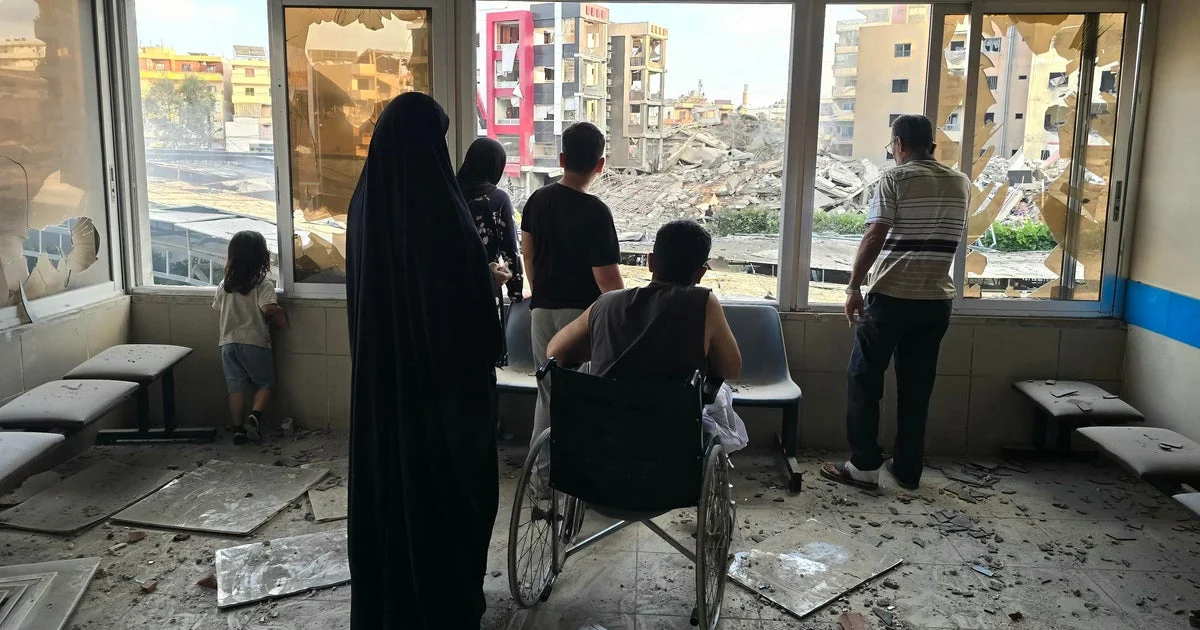
Intense exchanges between Israel and Hezbollah have persisted, with Israeli drone strikes in southern Lebanon reportedly killing eight people, including a father and his two children. The Israeli Defense Forces (IDF) have issued evacuation advisories to Lebanese towns near Hezbollah operatives, citing ongoing risks. Despite President Donald Trump’s statement on Monday that Israel and Hezbollah agreed to halt fighting ahead of renewed Israel-Lebanon talks in Washington, hostilities have continued overnight.
Simultaneously, Iran’s indirect negotiations with the United States have reportedly been suspended, with no recent response from Tehran on a potential agreement draft. An unnamed source cited by Iran’s semi-official Fars News agency indicated that exchanges between the two countries via intermediaries stopped several days ago. U.S. officials, including Secretary of State Marco Rubio, confirmed ongoing engagement but emphasized that any sanctions relief would require substantial Iranian concessions, particularly concerning its nuclear program.
Iran’s Central Bank reported that the country’s inflation rate in May reached levels not seen since World War II, highlighting the economic strain linked to ongoing conflict and a U.S. naval blockade. The worsening economy has intensified public hardship, raising concerns about potential new protests amid longstanding issues of mismanagement and corruption.
Why it matters
The senior Iranian official’s statement underscores the heightened risk of escalation between Tehran and Washington, signaling that diplomatic efforts may be faltering as military clashes continue in the region. The persistent violence between Israel and Hezbollah complicates peace negotiations and undermines regional stability. Economic pressures on Iran are intensifying public distress, which could fuel domestic unrest and further destabilize the country.
U.S. demands for strict nuclear concessions and the suspension of talks elevate tensions, reducing immediate prospects for diplomatic resolution. The situation could lead to wider conflict involving multiple states, impacting global security and energy markets due to the strategic importance of the Middle East.
Background
The current tensions follow a series of confrontations triggered by a joint U.S.-Israeli strike on Iran on February 28, when Iran’s Supreme Leader Ali Khamenei was reportedly killed. Since then, Israel and Hezbollah have engaged in intensified fighting in Lebanon, despite a ceasefire agreement signed in mid-April. Lebanon’s President Joseph Aoun has emphasized negotiation as the only viable path to peace amid ongoing hostilities.
Iran remains under a U.S. naval blockade imposed in April, aimed at curbing Iran’s oil exports and military activities. The blockade has severely impacted Iran’s economy and complicated diplomatic relations. Negotiations have stalled over conditions including Iran’s nuclear program and the reopening of the Strait of Hormuz, a critical oil shipping route. The death of Khamenei and transition to new leadership have further complicated the political landscape in Tehran.
Sources
This article is based on reporting and publicly available information from the following source:
Read more World News stories on Goka World News.