
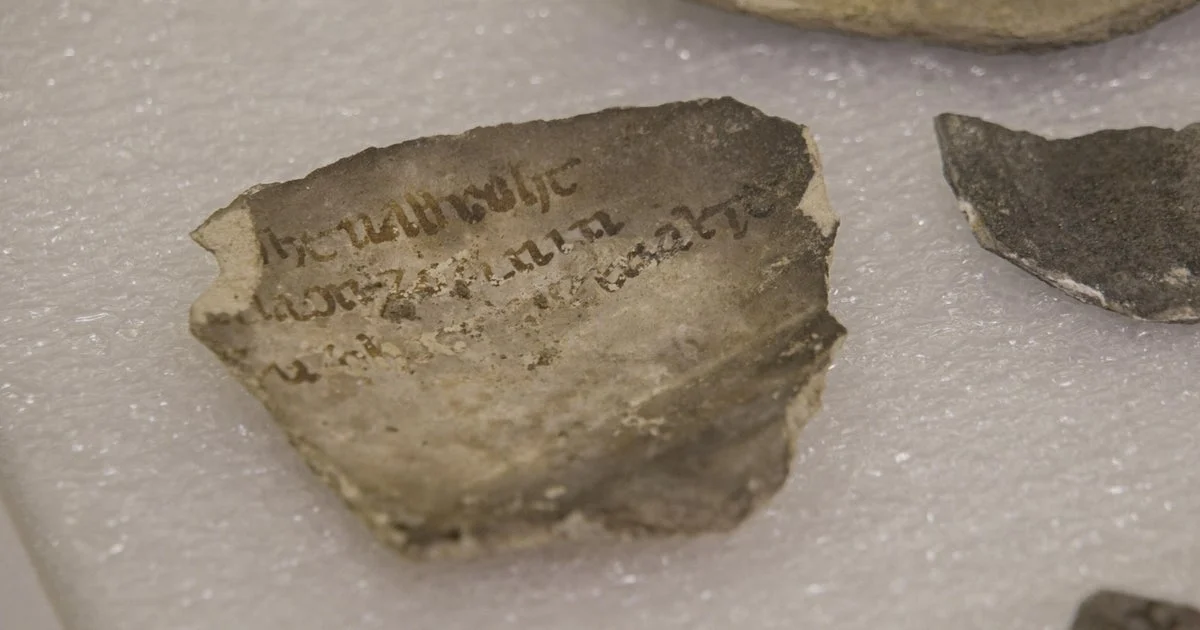
Archaeologists conducting excavations beneath Notre Dame cathedral in Paris have uncovered a fourth-century Roman coin bearing Emperor Constantine’s image and medieval pottery shards with mysterious inscriptions, according to the Paris archaeology unit. The dig is part of preparations for landscaping the cathedral’s forecourt, aiming to add trees and cooling elements to counter rising summer temperatures.
What happened
Since 2019, after the cathedral’s spire was destroyed by fire and early reconstruction completed in late 2024, a section of the forecourt has been excavated before urban redevelopment work can proceed. The excavation site sits roughly four meters underground, revealing a rich chronological layering of Paris’s history.
The archaeological team has uncovered thousands of artifacts spanning nearly two millennia. These include medieval grain pits, latrines filled with remarkably preserved ceramics, and a Roman-era neighborhood dating from the fourth and fifth centuries. Among the finds is a blackened coin that, upon X-ray examination, revealed the face of Emperor Constantine. Additionally, shards of medieval pottery display red inscriptions that experts have yet to decipher.
Excavation leader Camille Colonna described the site as revealing Paris’s deep past beneath the current cityscape, extending from medieval structures to Roman Lutetia and potentially earlier Celtic settlements. The archaeologists’ work is part of a broader effort to preserve and study the heritage beneath the open space before it is transformed into a shaded public square with added trees and water features to mitigate the effects of climate change.
Why it matters
These discoveries provide tangible insight into Paris’s layered history, showing how the modern city has developed over centuries of human occupation. The artifacts contribute to understanding urban life from Roman times through medieval periods. Furthermore, the dig underscores the importance of integrating cultural heritage preservation in urban development projects linked to climate adaptation strategies.
The findings also highlight the challenges and significance of archaeological work in historic cities where modern infrastructure and public spaces sit atop centuries-old remains. Planned redevelopment of the Notre Dame forecourt aims to enhance the environment and visitor experience while ensuring protection and documentation of this invaluable archaeological record.
Background
Notre Dame cathedral, founded in 1163 on the Île de la Cité, sits atop layers of historical settlements. Prior excavations in 2022 uncovered 14th-century tombs, including a lead sarcophagus thought to belong to a senior dignitary. The 2019 fire that severely damaged Notre Dame exposed iron staples used in its construction, a pioneering Gothic building technique.
Paris has a long history of archaeological discovery tied to its development, with earlier finds including Roman Lutetia’s remains and medieval structures. The city’s commitment to integrating archaeology into construction projects reflects a growing trend in preserving cultural heritage amid urban change and climate-driven adaptation.
Sources
This article is based on reporting and publicly available information from the following source:
Read more Science Discoveries stories on Goka World News.