
The World Health Organization (WHO) announced on June 2 that the number of suspected Ebola cases in the Democratic Republic of Congo (DRC) has been greatly reduced from 906 to 116 as part of ongoing efforts to monitor the outbreak. However, health workers warn that significant challenges remain in containing the virus.
What happened
As of May 31, the WHO confirmed a total of 321 Ebola cases in the DRC, including 48 deaths. Neighboring Uganda has reported nine confirmed cases and one death. The revision of suspected cases followed extensive testing that cleared many individuals initially flagged as potential Ebola patients; many were found to be suffering from other illnesses or unrelated fevers.
WHO spokesperson Christian Lindmeier explained at a briefing in Geneva that while some suspected cases became confirmed, most were ruled out following further investigation. Despite the lower caseload, frontline medical teams emphasize that the virus continues to spread and that response efforts are still insufficient.
Medical workers on the ground expressed concern that detection and reporting of cases lag behind the virus’s actual spread. The International Rescue Committee indicated that the outbreak may have been circulating undetected since January. Dr. Abdou Sebushishe, working with the International Medical Corps in Goma, DRC, reported that contact tracers are able to reach only about 25% of people exposed to Ebola patients. Some exposed individuals deny the existence of the disease and often seek treatment from traditional healers, contributing to further transmission.
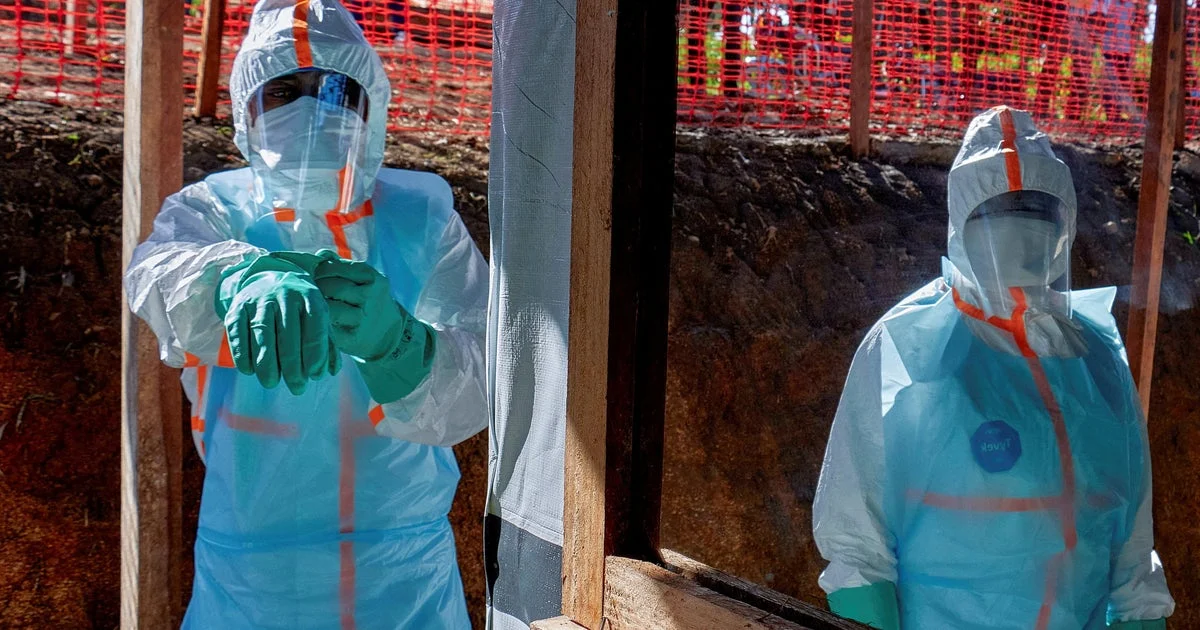
Health workers are facing shortages of essential protective equipment, complicating efforts to shield caregivers, who constitute approximately 20% of new infections. Adjustments to the response strategy are underway to improve containment, but Dr. Sebushishe estimates that it may take over six months to control the outbreak.
Amid the difficulties, there is hope, as five frontline nurses infected with Ebola have successfully recovered and been declared free of the virus. WHO Director-General Dr. Tedros Ghebreyesus highlighted that early detection and treatment significantly improve survival odds and emphasized the need to strengthen testing and community trust in healthcare services.
Why it matters
This updated case count provides a clearer epidemiological picture of the outbreak’s scale in central Africa, which is essential for allocating resources and planning interventions. The ongoing presence of Ebola in the DRC and Uganda represents a significant public health threat, especially given healthcare worker infections and community mistrust. Effective containment depends on improved detection, protective measures for caregivers, and increased public engagement to reduce transmission.
Background
The Democratic Republic of Congo has experienced multiple Ebola outbreaks since the virus was first identified in 1976. The disease, caused by the Ebola virus, leads to severe hemorrhagic fever with high fatality rates. The current outbreak, detected in early 2026, has involved international health agencies in a coordinated response that includes contact tracing, treatment centers, and vaccination campaigns targeting frontline workers and vulnerable communities.
In past outbreaks, delayed diagnosis and local mistrust of medical interventions have hindered containment efforts. The current response aims to learn from these challenges, but ongoing difficulties highlight the complexity of managing Ebola in regions with limited healthcare infrastructure and traditional beliefs that affect health-seeking behavior.
Sources
This article is based on reporting and publicly available information from the following source:
Read more Health & Public Health stories on Goka World News.