
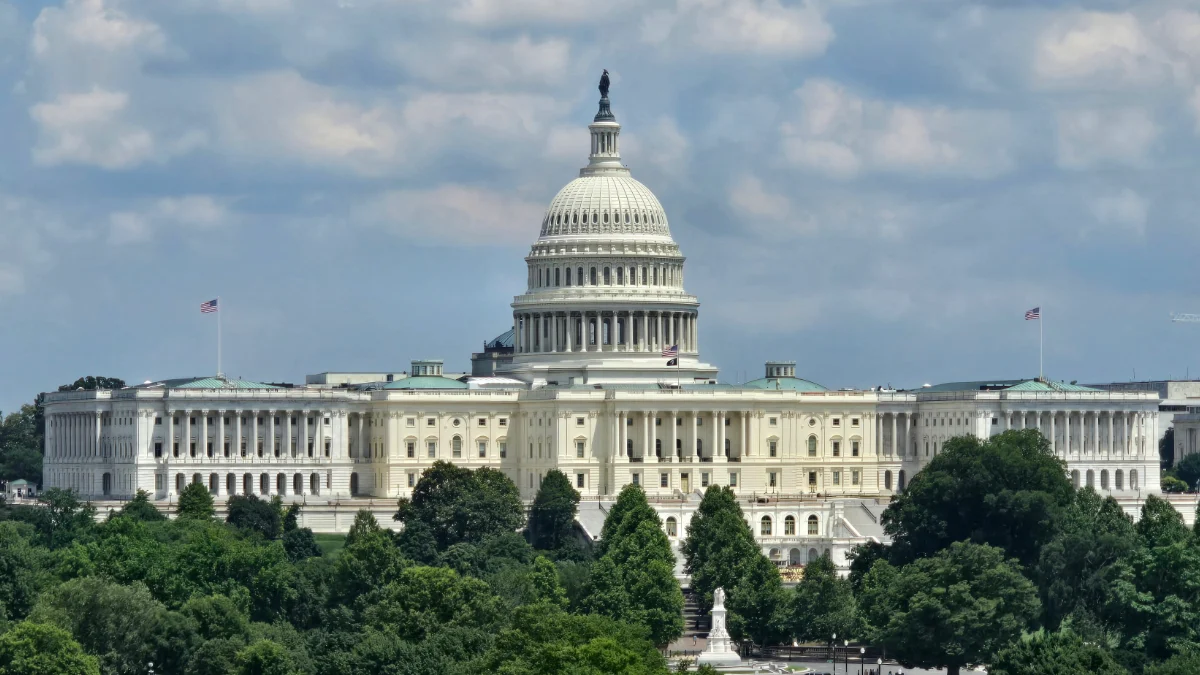
On June 3, the House Energy & Commerce Subcommittee on Commerce, Manufacturing, and Trade convened a hearing to discuss the SECURE Data Act, a bill proposing federal standards for consumer data privacy and streamlined regulations for businesses. The legislation is seen as a major step toward resolving the current patchwork of state privacy laws in the United States.
What Happened
The subcommittee reviewed H.R. 8413, known as the SECURE Data Act, led by Rep. John Joyce (R-Pa.). The hearing featured testimony from legal and business representatives, privacy advocates, and chamber of commerce officials. Lawmakers debated the bill’s provisions, highlighting its attempt to create a uniform national privacy framework that balances consumer protections with business certainty.
Key Facts
- The SECURE Data Act seeks to establish a federal privacy law that synthesizes elements from existing state laws to create consistent national standards.
- The bill aims to protect consumer data privacy while providing regulatory clarity to businesses of all sizes.
- Stakeholders from diverse backgrounds testified, including privacy attorneys, trade association executives, and consumer rights advocates.
- The legislation represents the outcome of a 15-month bipartisan working group effort focused on federal privacy reform.
- The bill includes provisions on consumer rights, data use transparency, and data minimization, yet critics highlight potential consumer burdens and loopholes.
Why It Matters
Currently, U.S. data privacy protections vary widely by state, creating uncertainty for consumers and businesses. Establishing a federal privacy standard could unify these rules, simplifying compliance for companies operating nationally while aiming to safeguard consumer data more effectively. It also addresses growing concerns about the use of sensitive data amid emerging technologies like artificial intelligence.
Background
The United States lacks a comprehensive federal privacy law, resulting in varied state laws like California’s Consumer Privacy Act. The SECURE Data Act builds on experiences from over 20 states that have enacted privacy laws, attempting to reach a bipartisan consensus on a federal solution that can supersede these fragmented regulations.
Analysis
Proponents argue the SECURE Data Act will protect consumers while enabling business innovation and avoiding overly burdensome regulations seen in some state laws. However, opponents contend it may weaken existing stronger protections by preempting state laws and maintaining a notice-and-consent approach that places the onus on consumers to manage privacy preferences.
Who Is Affected
The proposed legislation affects American consumers, businesses of all sizes across industries, and data processors nationwide. It targets companies collecting, using, or sharing personal data and seeks to provide them with clear compliance guidelines, while aiming to strengthen consumer control over personal information.
Reactions / Official Statements
Republican lawmakers highlighted the bill’s foundation on bipartisan state-level privacy laws and the need to innovate competitively, emphasizing data protection with business certainty. Democratic members expressed concern that the bill lacks strong consumer control mechanisms, may undermine tougher state laws, and fails to adequately address data privacy challenges posed by technologies such as artificial intelligence.
What Remains Unclear
This information was not confirmed in the reviewed sources. Specific details on enforcement mechanisms, the bill’s impact on existing state privacy laws, and how data minimization standards would practically operate remain pending further legislative discussions.
What Comes Next
The SECURE Data Act is expected to undergo further debate and potential amendment as stakeholders and lawmakers negotiate bipartisan terms. The legislative process will determine whether the bill advances to the House floor and how it will integrate consumer protections with industry compliance demands.
Sources
- United States House Energy & Commerce Subcommittee Hearing Transcript on the SECURE Data Act, June 3, 2024
- Testimony from Rep. John Joyce and other committee members during the subcommittee hearing
- Statements from witnesses representing business, privacy advocacy, and state enforcement perspectives
- For AdSense-quality content, add at least 1-2 more independent or official sources.
Sources
This article is based on reporting and publicly available information from the following source:
Read more Digital Policy stories on Goka World News.