
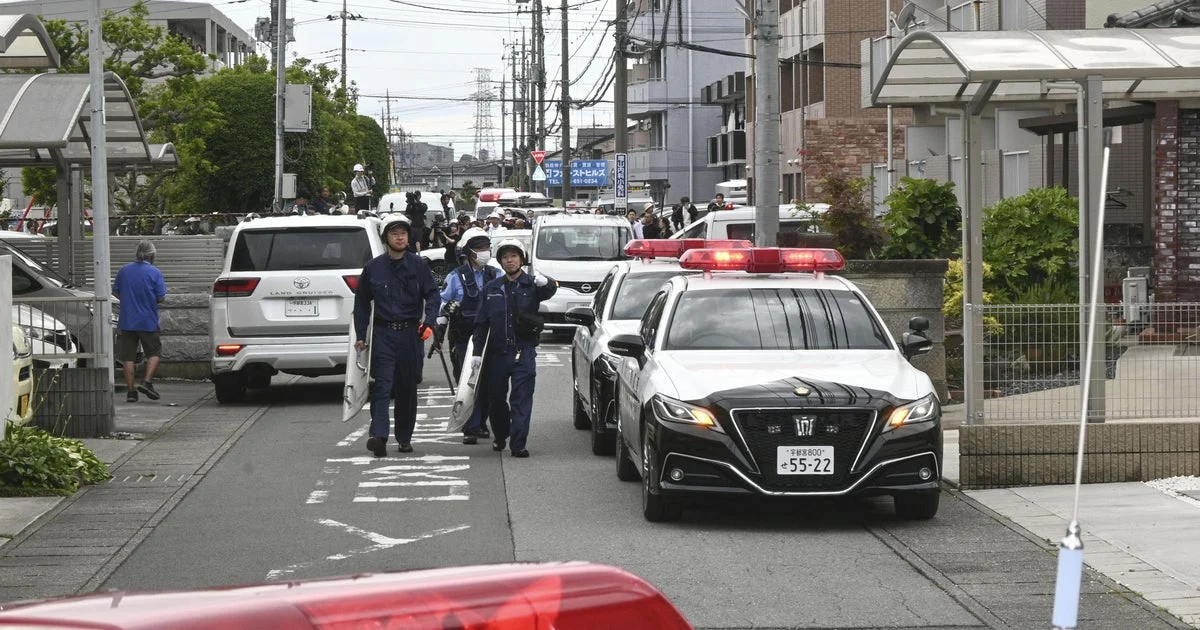
A bear wandering in Utsunomiya, a city north of Tokyo, caused widespread alarm, forcing the closure of almost 100 public schools before it was tranquilized and captured by authorities. The incident underscores a growing challenge posed by Japan’s increasing bear population in urban and suburban areas.
What Happened
The bear was first sighted on Saturday near a park in Utsunomiya, a city of about half a million residents. Subsequent reports placed the animal near key public locations such as a library, schools, and a community center. These sightings prompted the city to close all 94 public primary and middle schools on Monday and Tuesday.
On Tuesday afternoon, after tracking the bear with a drone following a sighting on a university campus, a veterinarian tranquilized the bear on a private property. No injuries were reported during the incident.
Key Facts
- The bear appeared in multiple locations around Utsunomiya from Saturday through Tuesday, causing significant public concern.
- All public primary and middle schools in Utsunomiya were closed during the days when the bear was at large.
- The city issued safety warnings urging residents to stay indoors, secure properties, and avoid leaving garbage outside at night.
- Authorities used drone technology to locate the bear before it was subdued with a tranquilizer gun.
- Officials are investigating to confirm if more bears are present, though only one bear has been confirmed so far.
Why It Matters
This incident illustrates the increasing frequency of bear encounters in populated areas of Japan, reflecting broader ecological and demographic trends. Public safety disruptions such as school closures affect communities, while the growing bear population signals challenges for wildlife management and coexistence strategies.
Background
Japan’s bear population is estimated at around 57,800 animals, with recent years seeing a rise in bear sightings and attacks. The government has outlined plans for systematic management, including culling. The increase is linked in part to abundant food sources and climate changes favoring bear survival and expansion.
In addition to Utsunomiya, other regions like Fukushima have experienced bear attacks on humans recently, including an incident last week where a bear injured four people and remains at large.
Analysis
Experts attribute the surge in bear encounters to ecological factors such as climate change boosting natural food availability, which supports growing bear populations. Demographic shifts including rural depopulation leave more wilderness areas relatively undisturbed, enabling bears to expand into new territories, sometimes overlapping with human settlements.
The city’s use of drones and tranquilizer guns indicates an evolution in wildlife management techniques aimed at minimizing harm to both humans and animals during such incidents.
Who Is Affected
The residents of Utsunomiya were directly impacted, particularly families with children attending the city’s public schools. Local authorities and emergency services were also engaged intensively to ensure public safety. Broader implications affect other Japanese communities facing similar bear encounters and raise concerns for public security and local economies.
Reactions / Official Statements
City officials expressed relief at the capture, emphasizing that no injuries occurred. Residents voiced significant concern during the several days of the bear’s presence, with some describing the situation as alarming given the rarity of wild bears in the city.
What Remains Unclear
It is not confirmed if other bears are present in the area, though authorities continue investigations. The long-term impact on community relations with wildlife and effectiveness of population control measures remain uncertain.
What Comes Next
Officials are likely to enhance monitoring and public warnings to prevent similar incidents. Continued research and management initiatives, including systematic culls as indicated by government roadmaps, may be intensified to address escalating bear populations and reduce risks to people.
Sources
This article is based on reporting and publicly available information from the following source:
Read more World News stories on Goka World News.