
The United States conducted retaliatory strikes on Iranian military targets following the downing of a U.S. Apache helicopter near the Strait of Hormuz. The incident and subsequent military actions have escalated tensions in the Middle East, involving several Gulf countries and raising concerns over regional stability.
What Happened
On Monday, a U.S. Apache helicopter on patrol near the Strait of Hormuz was struck by an armed Iranian Shahed drone, according to U.S. officials. Although the helicopter crashed into the sea, its two pilots were rescued unharmed. In response, the U.S. Central Command launched “self-defense strikes” on multiple Iranian targets on Tuesday, targeting nearly 20 sites, including air defenses, radar stations, and ground control buildings.
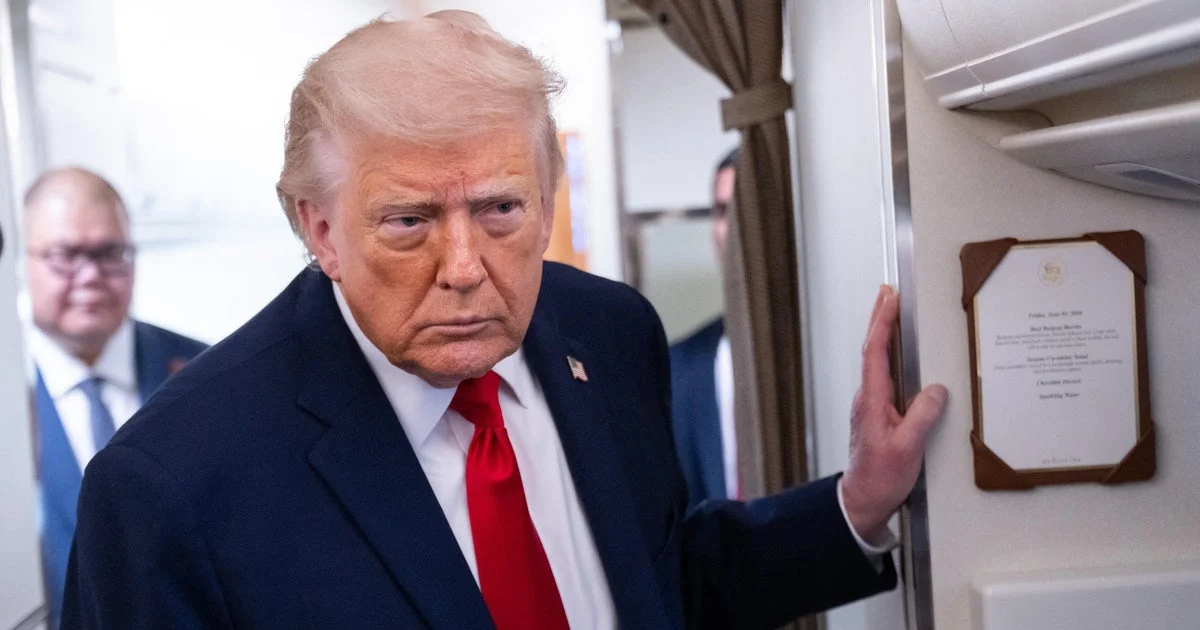
President Donald Trump noted the strikes were a “very strong, very powerful” response, emphasizing the action was “proportional and limited.” Following the U.S. strikes, Iran retaliated early Wednesday with drone and missile attacks targeting U.S. military bases in Jordan, Bahrain, and Kuwait.
Key Facts
- The helicopter was downed by an Iranian Shahed drone, a weapon frequently used by Iran.
- U.S. Central Command emphasized that the strikes were defensive and proportional.
- Iran launched missile and drone attacks on military bases hosting U.S. forces in Bahrain, Kuwait, and Jordan.
- Jordan intercepted five Iranian missiles aimed at a base hosting American F-35 jets.
- U.S. House Speaker Mike Johnson was notified in advance of the retaliatory strikes.
- Iran’s foreign ministry called on Gulf nations to prevent U.S. and Israeli forces from using their territory to conduct attacks against Iran.
Why It Matters
This exchange of military strikes significantly raises the risk of broader conflict in an already volatile Middle East region. The targeted locations near critical maritime chokepoints like the Strait of Hormuz threaten the security of global energy supplies and international trade routes. The escalation also complicates ongoing diplomatic negotiations aimed at resolving tensions between Iran and the U.S.
Background
The incident occurred amid heightened hostilities between the U.S. and Iran that have included numerous strikes and counterstrikes over recent years. Iran’s use of Shahed drones has increased since the start of its conflict with the U.S. and Israel. The Strait of Hormuz is a strategically vital waterway through which a significant portion of the world’s oil passes. Previous U.S. strikes against Iranian radar and missile installations in the region have contributed to a cycle of retaliation.
Analysis
The U.S. strikes appear calibrated to degrade Iran’s air defense capabilities and retaliate specifically for the helicopter downing while avoiding full-scale escalation. Iran’s rapid counterstrikes on multiple Gulf nation bases indicate Tehran’s intent to demonstrate its regional reach and deter further U.S. actions. The involvement of Jordan, Bahrain, and Kuwait highlights the broader regional security implications and the risk of the conflict drawing in multiple nations.
Who Is Affected
U.S. military personnel in the Gulf region face heightened risk of attack. Neighboring Gulf states hosting American forces have become targets of Iranian retaliatory strikes. The incident also threatens international commercial shipping through the Strait of Hormuz, potentially affecting global energy markets and economies worldwide.
Reactions / Official Statements
U.S. President Donald Trump described the military response as strong and proportional. CENTCOM characterized the strikes as self-defense measures against unjustified Iranian aggression. Iranian officials condemned the U.S. strikes and warned Gulf countries of their “legal and moral responsibility” to prevent the U.S. and Israel from using their territories for hostile operations against Iran. Jordan confirmed it intercepted several missiles aimed at its air base.
What Remains Unclear
The intentions behind the drone strike on the U.S. helicopter—whether accidental or deliberate—have not been confirmed. The precise status and future of diplomatic negotiations between the U.S. and Iran are uncertain due to the rapid escalation. The effectiveness and full impact of the Iranian retaliatory missile and drone attacks remain unclear.
What Comes Next
The situation remains highly fluid, with the potential for further military exchanges and diplomatic efforts. International observers will be closely monitoring the responses from both Tehran and Washington, as well as regional allies, to assess how the escalation evolves and its impact on ongoing talks and regional security.
Sources
This article is based on reporting and publicly available information from the following source:
Read more US News stories on Goka World News.