
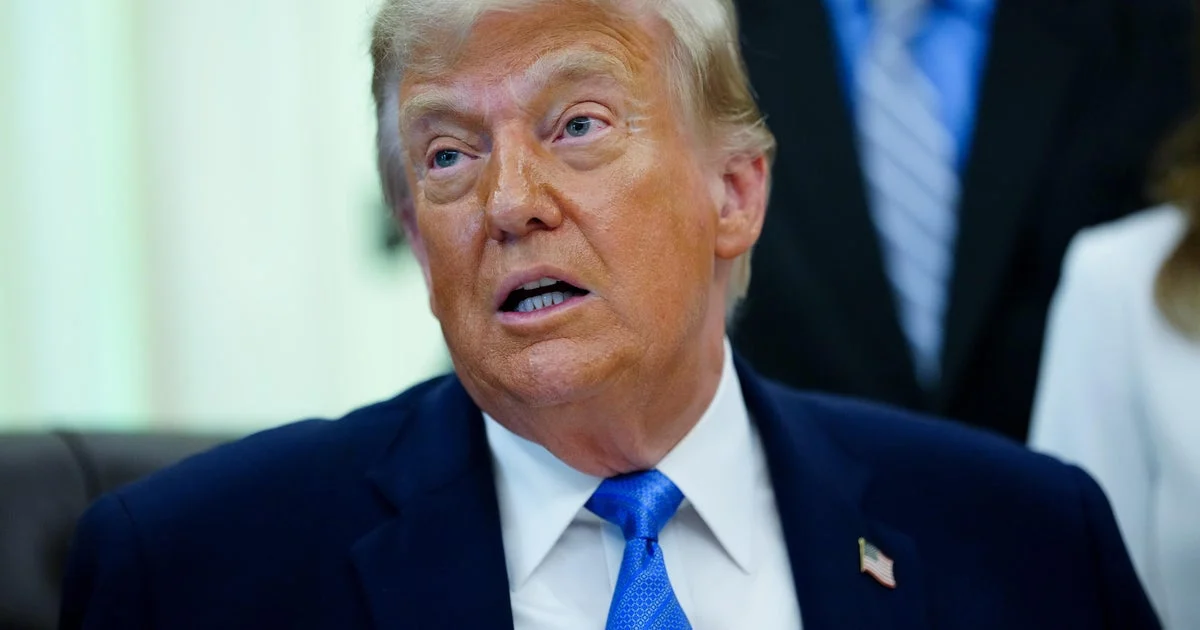
The United States military carried out another series of airstrikes on targets inside Iran shortly after President Donald Trump vowed to strike Iran “hard” to compel a deal on U.S. terms. These developments mark a significant escalation in tensions, putting pressure on a fragile ceasefire that has largely held for two months.
What Happened
Early Thursday local time, U.S. Central Command announced it had struck multiple Iranian installations, including ammunition depots, command-and-control centers, and storage facilities. The strikes were described as defensive measures responding to what the Pentagon termed Iran’s “unwarranted and continued aggression.” The U.S. conducted these strikes hours after President Trump publicly threatened renewed military action.
Key Facts
- The targeted sites include key military infrastructure such as ammunition depots and command nodes.
- Iranian media reported explosions and activated air defenses in several cities, notably at Bandar Abbas near the critical Strait of Hormuz.
- Iran’s military declared the Strait of Hormuz closed to all maritime traffic, complicating global oil transit.
- This followed earlier U.S. strikes hitting nearly 20 targets in retaliation for Iran downing a U.S. Apache helicopter.
- Indirect talks have been ongoing to extend the ceasefire, resolve the naval blockade, and address nuclear program issues, but no agreement has been reached.
Why It Matters
The U.S. strikes escalate a conflict with Iran that has global economic and security implications, especially given the strategic importance of the Strait of Hormuz for international oil shipments. The military actions risk undermining diplomatic efforts to maintain peace and could lead to a wider regional confrontation.
Background
For months, the U.S. and Iran have been in a tense ceasefire, interrupted by sporadic attacks and counterattacks, with ongoing indirect negotiations attempting to address core issues such as Iran’s nuclear ambitions and maritime restrictions. Both sides have shown reluctance to commit fully to a lasting agreement.
Analysis
The renewed strikes signify the Trump administration’s strategy of using military pressure as leverage in negotiations. Defense officials have framed these actions as a means to bring Iran to the negotiating table, suggesting a willingness to blend diplomacy with force. However, these tactics risk escalating violence and complicating diplomatic channels.
Who Is Affected
This escalation primarily impacts U.S. and Iranian military and civilian populations near the conflict zones. It also affects international shipping and global energy markets due to the closure of the Strait of Hormuz. Regional U.S. allies targeted by Iranian drones face increased security challenges as well.
Reactions / Official Statements
President Trump accused Iran of delaying negotiations and declared that Iran would “have to pay the price.” Defense Secretary Pete Hegseth expressed readiness to negotiate “with bombs” if necessary. Iran’s foreign ministry condemned the strikes, accusing the U.S. of undermining diplomatic efforts through contradictory actions.
What Remains Unclear
This information was not confirmed in the reviewed sources: the precise scale of damage from the strikes, details on any casualties, Iran’s planned military or diplomatic response, and the immediate impact on ceasefire negotiations remain unclear.
What Comes Next
The coming days will likely see heightened diplomatic and military activity. Whether these strikes will force Iran back to serious negotiations or provoke further escalation is uncertain. Observers will watch closely for renewed dialogue efforts or intensified conflicts in the region.
Sources
This article is based on reporting and publicly available information from the following source:
Read more Politics stories on Goka World News.