
India has expressed strong condemnation after three of its sailors were killed in U.S. strikes targeting commercial oil tankers in the Gulf of Oman in early June 2026. The incident has escalated diplomatic tensions as New Delhi demands a full explanation from Washington.
What Happened
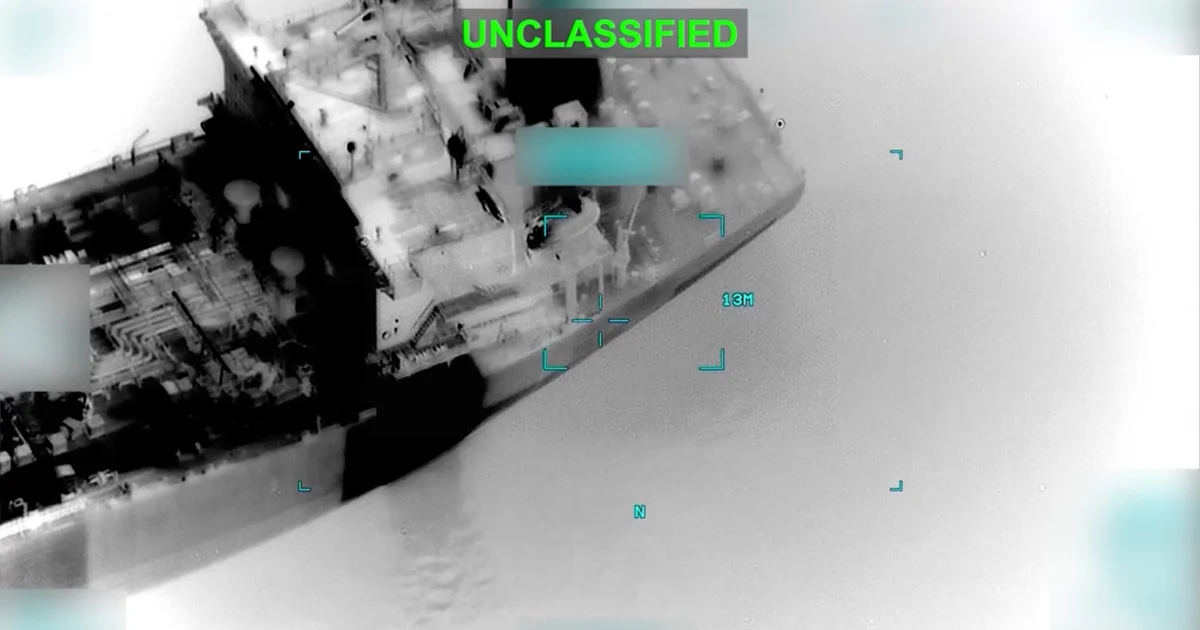
On June 9, 2026, the U.S. Central Command (CENTCOM) struck the Palau-flagged oil tanker M/T Settebello in the Gulf of Oman. CENTCOM stated that the tanker was fired upon after its crew “repeatedly failed to comply with directions” amid an ongoing naval blockade targeting Iranian ports and associated vessels. India’s Shipping Minister, Sarbananda Sonowal, confirmed on June 11 that three Indian mariners aboard the vessel—Aditya Sharma, Shivanand Chaurasiya, and Patnala Suresh—were killed. Their deaths were initially reported as missing before their bodies were identified.
Key Facts
- The M/T Settebello, flagged by Palau, was struck in its engine room by U.S. forces on June 9, 2026, as part of a blockade on Iran’s ports, according to CENTCOM.
- Three Indian seafarers—Aditya Sharma, Shivanand Chaurasiya, and Patnala Suresh—died in the strike, confirmed by India’s Shipping Minister.
- India’s External Affairs Ministry summoned a senior U.S. diplomat on June 11 to lodge a “strong protest.”
- The U.S. has also disabled two other tankers this week in the Gulf of Oman: the Guinea-Bissau-flagged M/T Jalveer and the Palau-flagged M/T Marivex.
- Since the blockade began on April 13, 2026, at least nine vessels have been disabled by U.S. forces for failing to comply or attempting to transport Iranian oil.
Why It Matters
The deaths of Indian nationals in U.S. military actions underscore the risks that the naval blockade in the Gulf of Oman poses to commercial shipping and regional security. India’s protest highlights diplomatic strain between the two countries amid growing hostility surrounding Iran’s maritime trade routes. The incident raises concerns about the safety of international seafarers and the potential humanitarian impact of continuing naval operations in a vital global shipping corridor.
Background
The U.S. imposed a naval blockade on Iranian ports beginning April 13, 2026, aiming to restrict maritime activities associated with Iran’s oil exports. This blockade has provoked multiple confrontations at sea, with U.S. Central Command targeting vessels suspected of violating sanctions or transporting Iranian oil. The blockade forms part of broader international tensions involving Iran’s regional influence and sanctions enforcement.
Analysis
India’s External Affairs spokesperson Randhir Jaiswal emphasized the government’s demand for clarity, stating that New Delhi “expects the U.S. to take due note” of the protest. The shipping minister described the loss as a “profound loss to our maritime family.” Indian media highlighted the personal toll, with reports of family members grieving the deaths of the sailors. CENTCOM’s public release of strike footage indicates a continuing hardline approach to enforcing the blockade despite international concerns.
Who Is Affected
- Indian seafarers and their families, including the victims Aditya Sharma, Shivanand Chaurasiya, and Patnala Suresh.
- India’s government and diplomatic corps tasked with protecting national citizens abroad and managing relations with the U.S.
- Commercial shipping companies operating through the Gulf of Oman and the broader maritime trade affected by the blockade.
- Governments and populations in the Gulf region dependent on secure maritime routes.
What Remains Unclear
- Details regarding the exact circumstances that led to the U.S. strike on the M/T Settebello remain incomplete.
- Whether the tanker was actively violating the blockade or if there were misunderstandings in communication with U.S. naval forces.
- The immediate aftermath plans concerning compensation or investigation into the deaths of the Indian sailors.
What Comes Next
India has formally registered its protest with the U.S. through diplomatic channels. Further discussions between New Delhi and Washington are anticipated to clarify the circumstances of the strike and address India’s demands for accountability. The U.S. blockade and enforcement operations in the Gulf of Oman are expected to continue as part of wider sanctions efforts.
Sources
This article is based on reporting and publicly available information from the following source:
Read more World News stories on Goka World News.