
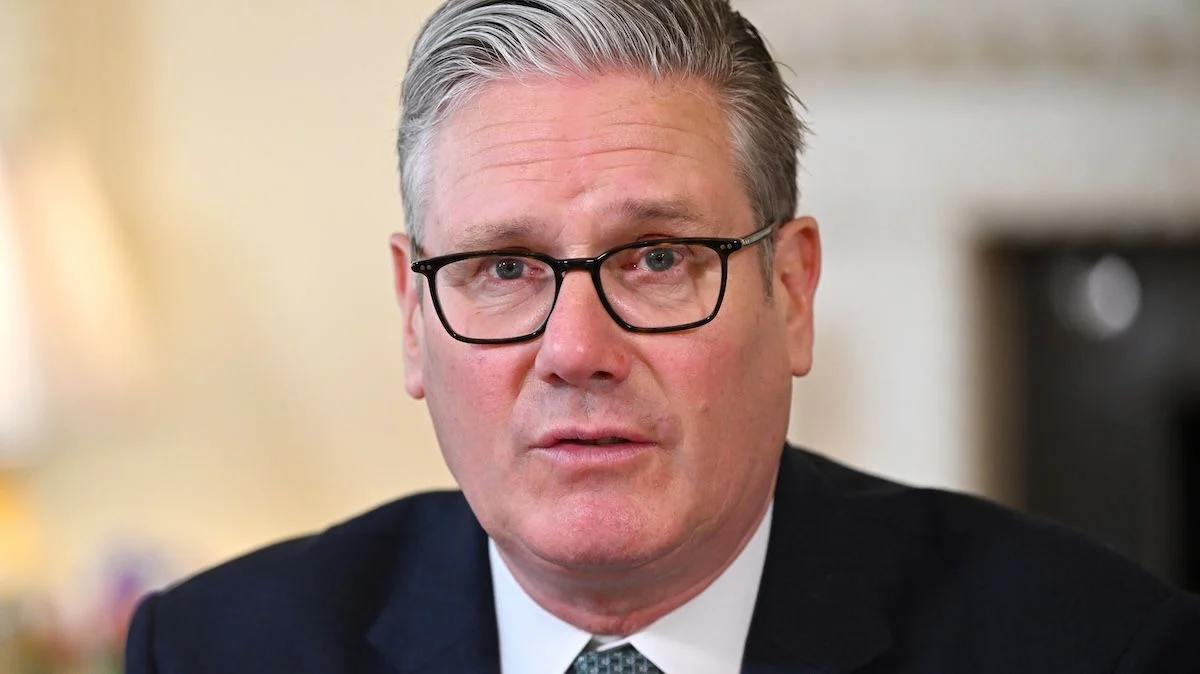
The UK government is moving forward with plans for a social media ban targeting children, including regulatory proposals to require hardware manufacturers and platforms to implement software that detects and blocks explicit content. This initiative, announced in 2026, raises concerns regarding potential expansions in surveillance through broad age verification mechanisms and privacy risks.
What Happened
Prime Minister Keir Starmer and senior UK officials unveiled a national consultation in March 2026 on social media restrictions for minors, inspired by Australia’s similar ban enacted in December 2025. The consultation, which closed with over 116,000 responses, explored measures such as livestreaming restrictions, disabling infinite scrolling, and enhanced parental controls. Concurrently, Starmer announced that tech companies like Apple and Google have three months to implement hardware-level software to identify and block explicit images on personal devices, with noncompliance exposing them to potential fines and criminal penalties. The Department for Science, Innovation and Technology has committed to setting out a formal government response by summer 2026.
Key Facts
- Jurisdiction: United Kingdom
- Legislative Context: Builds on the Online Safety Act 2023
- Target: Children and teenagers’ access to social media platforms such as TikTok, Instagram, and Snapchat
- Proposed Measures: Age verification requirements including facial recognition or digital IDs, software to block explicit images at device level, limits on features like autoplay and infinite scrolling
- Compliance Oversight: Legal enforcement including potential fines and criminal liability for hardware and software providers
- Consultation: National public consultation ended April 2026 with 116,000 responses
- Influence: Inspired by Australia’s December 2025 social media ban
- Policy Lead: UK Department for Science, Innovation and Technology
Why It Matters
This social media ban represents one of the UK’s most ambitious attempts to regulate children’s digital environments and reduce online harms. However, the planned mandatory age verification processes are poised to require age checks for all internet users, potentially undermining online anonymity and raising substantial privacy and data security concerns. The expansion of surveillance infrastructure necessary to enforce the ban could increase the risk of data breaches and misuse of sensitive information. Furthermore, the ban’s impact on children’s socialization and access to supportive online communities is under scrutiny.
Background
The UK’s Online Safety Act 2023 laid groundwork by regulating online harmful content, but did not specifically target social media age restrictions. Growing concerns about children’s wellbeing online, highlighted by high-profile incidents involving explicit content and AI-generated images, pressured the government to extend measures. The Australian social media ban, introduced in late 2025, served as a model, prompting a national trial in the UK earlier in 2026 testing bans, time limits, and curfews for social media use among minors.
Analysis
Alan Woodward, University of Surrey cybersecurity professor, highlighted the difficulties and risks of large-scale age verification, warning this would effectively mandate ID checks for all internet users, thereby increasing the potential for surveillance abuse and data breaches. Jasleen Chaggar of Big Brother Watch criticized the government’s unclear technical strategy, suggesting the enforcement burden may be outsourced to third-party ID companies. Critics have also cautioned against the ban’s ability to push children to less regulated online spaces and diminish their access to beneficial social support networks, especially for marginalized youth.
Who Is Affected
- Children and teenagers in the UK who use social media platforms
- Social media companies and tech hardware manufacturers, including Apple and Google
- Parents and families navigating children’s digital use
- Users concerned about online privacy and anonymity
What Remains Unclear
- The exact technical specifications and scope of the age verification technology required
- Details of enforcement mechanisms, including fines and criminal liability
- How the ban will address age verification circumvention such as VPNs
- The UK government’s official formal policy response, expected by summer 2026
What Comes Next
- The UK government will publish its formal response to the consultation by summer 2026
- Hardware manufacturers have a three-month deadline to comply with explicit content detection requirements
- Ongoing monitoring of enforcement actions and legal clarifications are anticipated
Sources
This article is based on reporting and publicly available information from the following source:
Read more Digital Policy stories on Goka World News.