
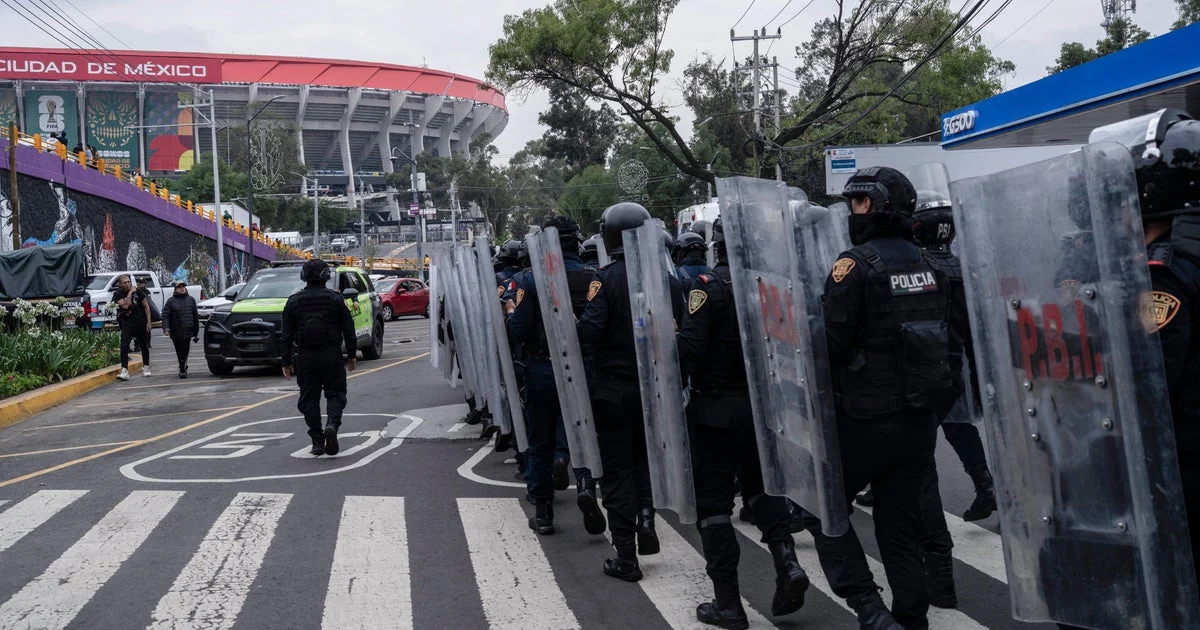
The U.S. Embassy in Mexico has issued a travel warning to American tourists attending the 2026 FIFA World Cup, jointly hosted by the U.S., Mexico, and Canada. The advisory highlights varying safety risks across Mexican states where World Cup games will be played between June 11 and July 19, prompting calls for heightened caution among visitors.
What Happened
On June 10, 2026, the U.S. Embassy in Mexico released warnings for U.S. nationals traveling to Mexico for the FIFA World Cup, which runs from June 11 to July 19. Mexico will host 13 World Cup matches across three cities: Monterrey (Nuevo León state), Guadalajara (Jalisco state), and Mexico City (an autonomous federal entity). The embassy underscored the importance of reviewing State Department travel advisories specific to each Mexican state ahead of attendance at these games.
Key Facts
- Thirteen World Cup games are scheduled in Mexico: four in Monterrey, four in Guadalajara, and five in Mexico City, per FIFA.
- Mexico’s government has deployed nearly 100,000 troops across the three host cities to ensure security.
- The U.S. State Department advises visitors to exercise increased caution in Mexico City and Nuevo León due to risks of terrorism, crime, and kidnapping.
- Highways 85/85D, 54, and 40/40D near Monterrey have seen armed robberies and carjackings; use after dark is discouraged.
- Neighboring states Coahuila and Tamaulipas pose additional travel risks, with Tamaulipas under a “do not travel” advisory.
- The Jalisco state carries a “reconsider travel” advisory; it has experienced violent cartel conflicts, including a February 2026 operation resulting in over 70 deaths, including 25 National Guard members.
- Jalisco is notably impacted by Mexico’s missing persons crisis.
Why It Matters
The advisory matters internationally because it reflects ongoing security challenges impacting one of the world’s largest sporting events, potentially affecting tourism and international perceptions of safety in Mexico. It underscores the necessity for travelers to remain vigilant, as criminal and terrorist threats may jeopardize the security of visitors and local populations during the tournament.
Background
This warning follows long-standing regional security issues in Mexico linked to organized crime, cartel violence, and terrorist threats. Most recently, Jalisco has been a focal point of high-profile cartel violence, including a fatal February 2026 clash related to efforts to apprehend cartel leader “El Mencho.” These ongoing security incidents have prompted sustained travel advisories by the U.S. State Department for multiple Mexican states.
Analysis
The U.S. State Department’s tailored advisories indicate a strategic assessment of risk per location, intended to guide travelers toward safer areas and routes. Mexico’s deployment of a substantial military presence seeks to mitigate these risks, reflecting both the seriousness of the security situation and the host country’s commitment to protecting World Cup visitors.
Who Is Affected
- American tourists planning to attend World Cup games in Mexico.
- Local residents in host cities Monterrey, Guadalajara, and Mexico City.
- Mexican security forces involved in safeguarding the events.
What Remains Unclear
- The specific details on how the nearly 100,000 Mexican troops will be deployed.
- The extent to which these security measures will prevent violent incidents during the tournament.
- Whether adjustments to travel advisories will be made based on evolving security conditions.
What Comes Next
World Cup games across Mexico will proceed from June 11 through July 19. The U.S. Embassy recommends that travelers continually monitor State Department advisories and maintain heightened awareness throughout the event period.
Sources
This article is based on reporting and publicly available information from the following source:
Read more US News stories on Goka World News.