
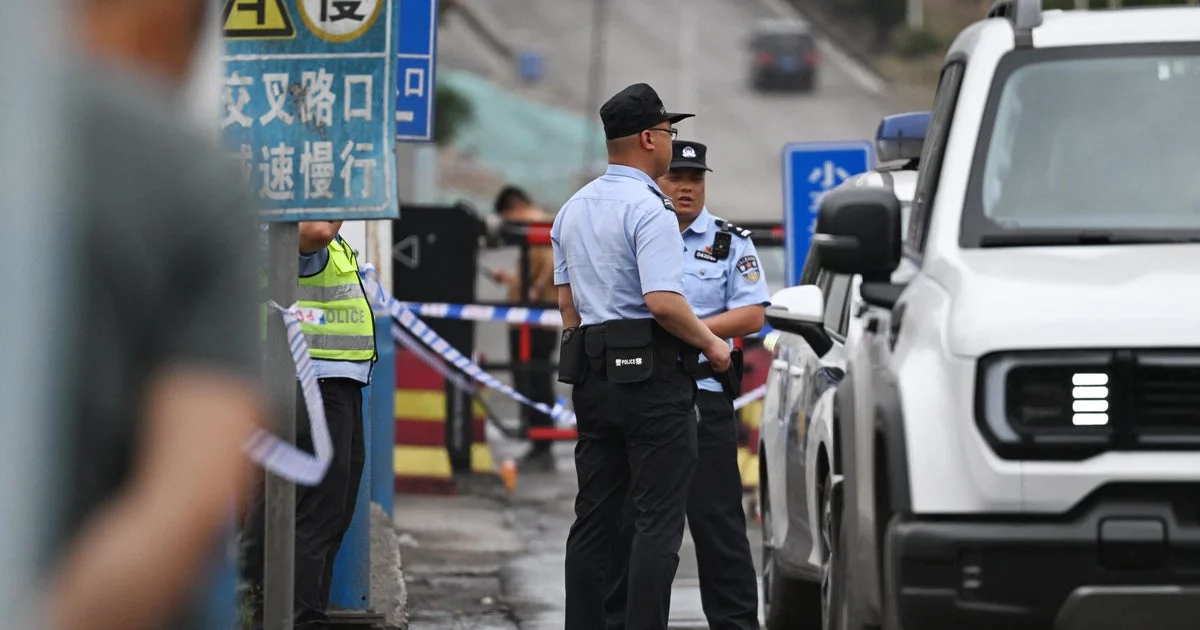
China has arrested U.S. political analyst U Min Zin on suspicion of espionage and endangering national security. The detention occurred in June 2026 near the China-Myanmar border, highlighting tensions linked to regional security and Beijing’s interests in Myanmar’s ongoing conflict.
What Happened
On June 3, 2026, Chinese authorities detained U Min Zin, a U.S. citizen and founding member of the Institute for Strategy and Policy Myanmar (ISP-M), at Kunming airport in Yunnan province, which borders Myanmar. The Chinese government confirmed his arrest on charges of espionage and jeopardizing national security. The U.S. consulate in Guangzhou was notified, and his family and colleagues are engaged with consular officials, according to sources close to the case.
Key Facts
- U Min Zin is a political analyst linked to ISP-M, a think tank researching Myanmar’s political and conflict dynamics.
- He was detained on June 3, 2026, at Kunming airport in Yunnan province, China.
- Chinese Foreign Ministry spokesman Lin Jian stated the arrest was due to charges of espionage and endangering China’s national security.
- ISP-M is based in Chiang Mai, Thailand, and focuses on cross-border issues involving Myanmar’s civil war triggered by the 2021 military coup.
- The Chinese Embassy in Washington affirmed that foreigners must adhere to Chinese law and face legal accountability if they violate it.
- The U.S. State Department confirmed awareness of the detention and confirmed it is providing consular assistance.
Why It Matters
The arrest underscores growing concerns over China’s security measures near the Myanmar border amid a complex civil conflict. It affects international relations between China and the United States, adding diplomatic sensitivity to already strained ties. The case also highlights the risks faced by researchers and analysts working on politically sensitive issues in the region.
Background
The ISP-M think tank researches Myanmar, where a military coup in 2021 led to civil war. China has been accused of supporting armed groups aligned with its interests along the China-Myanmar border. The relationship between Beijing and Myanmar’s conflicting factions reflects shifting economic and security priorities in the region.
Analysis
Chinese Foreign Ministry spokesman Lin Jian emphasized China’s commitment to its national security and legal processes. The Chinese Embassy reiterated that foreign nationals must comply with Chinese laws. Anonymous sources connected to ISP-M indicated the arrest took place as U Min Zin was attending a meeting, emphasizing the sensitivity of the case.
Who Is Affected
- U Min Zin, detained U.S. political analyst and ISP-M executive director.
- ISP-M think tank and its staff engaged in Myanmar research.
- U.S. consular officials responsible for providing support to the detained citizen.
- Broader diplomatic relations between China and the United States.
What Remains Unclear
- The full details of the espionage charges have not been disclosed by Chinese authorities.
- Whether U Min Zin was actively conducting research or on official ISP-M business at the time of arrest is unconfirmed.
- The duration of detention and legal proceedings remain unspecified.
- The official response or further comments from ISP-M on the arrest have not been provided.
What Comes Next
The U.S. consulate in Guangzhou will continue to provide diplomatic and consular assistance to U Min Zin and his family. Further legal developments or formal charges from Chinese authorities are expected but have not been announced. ISP-M and related parties are monitoring the situation closely.
Sources
This article is based on reporting and publicly available information from the following source:
Read more World News stories on Goka World News.