
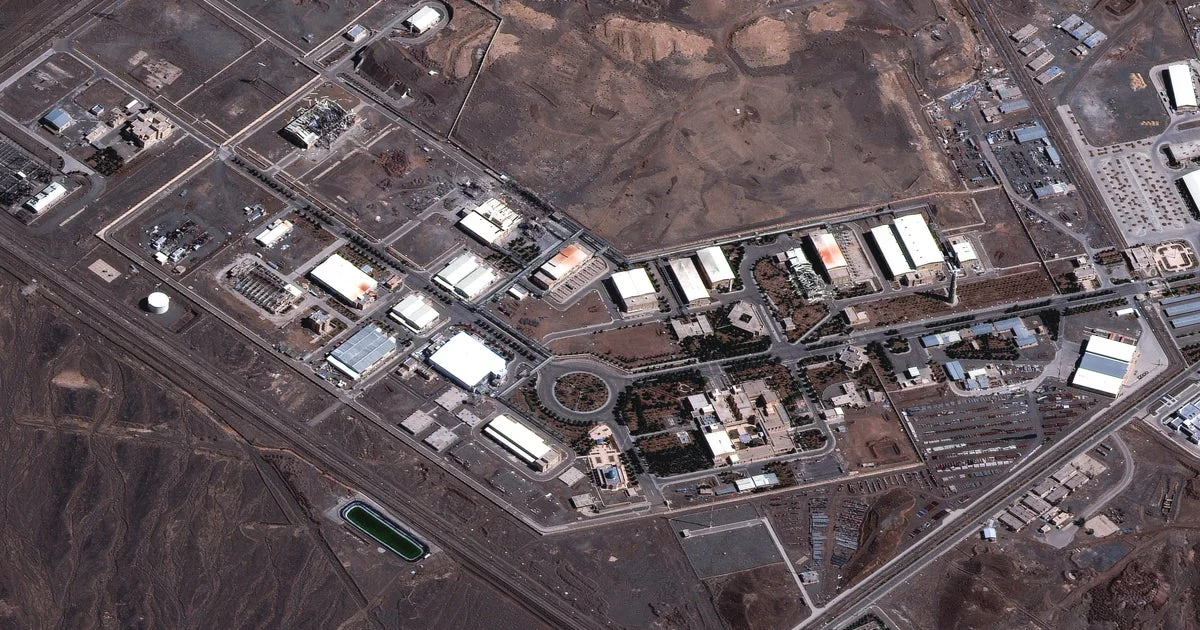
The United States is developing contingency plans for its military to secure Iran’s nuclear materials if a nuclear agreement with Tehran is finalized, according to U.S. officials familiar with the discussions. These plans could involve deploying U.S. forces to the region to assist in seizing Tehran’s stockpiles of highly enriched uranium, signaling significant coordination between multiple U.S. agencies.
What Happened
In June 2026, U.S. military planners have actively discussed scenarios involving rapid deployment across Middle Eastern countries to support the Department of Energy in securing Iran’s nuclear materials. This includes specialized teams from the Department of Energy’s Nuclear Emergency Support Team (NEST), U.S. Special Operations forces, and the Army’s 20th Chemical, Biological, Radiological, Nuclear, Explosives Command. These efforts remain contingent on upcoming battlefield and political developments as well as a potential nuclear deal with Iran.
Key Facts
- The plans are preliminary and part of routine military contingency planning, not a finalized operation.
- Support would be provided to the Department of Energy to “locate, secure and remove” enriched uranium stockpiles in Iran.
- The military elements involved include U.S. Special Operations forces and the Army’s 20th Chemical, Biological, Radiological, Nuclear, Explosives Command.
- An administration official stated that under a pending deal, Iran’s enriched uranium would be destroyed on-site and then removed from the country.
- Technical negotiations related to this process are expected to last 60 days after a memorandum of understanding is signed.
Why It Matters
Securing Iran’s enriched uranium stockpiles is critical for global nuclear nonproliferation efforts and regional stability. Such military support in tandem with energy experts underscores the complexity of dismantling nuclear material stockpiles safely, and it signals high-stakes international cooperation while tensions persist between the U.S. and Iran.
Background
These contingency discussions come amid volatile U.S.-Iran relations marked by recent military strikes and Iran-linked groups’ hostile activities. Prior to tensions escalating in April 2026, the Pentagon had also considered similar concepts involving rapid military response and nuclear materials security operations. The coordination between military and civilian agencies reflects longstanding U.S. strategic efforts to prevent Iran from advancing nuclear weapons capabilities.
Analysis
U.S. defense officials describe the planning as preliminary steps to prepare for multiple outcomes tied to Iran’s nuclear program negotiations. A senior administration official explained the destruction and removal of enriched uranium would follow a detailed “technical process,” emphasizing the logistical and operational challenges ahead.
Who Is Affected
The primary parties involved include the Iranian government, U.S. military forces stationed in the Middle East, Department of Energy specialists, and international stakeholders invested in nuclear nonproliferation and regional security.
What Remains Unclear
- Whether a formal nuclear deal will be signed and the specific terms it will include.
- The exact location and nature of U.S. troop deployments if the operation proceeds.
- Details of the “technical process” for destroying and removing enriched uranium.
- The timeline and conditions for initiating these military support operations.
What Comes Next
Following the anticipated signing of a memorandum of understanding, technical negotiations concerning the handling of Iran’s nuclear materials are scheduled to continue for 60 days. The status of military deployments and operational support will depend on the outcome of these talks and evolving political-military dynamics.
Sources
This article is based on reporting and publicly available information from the following source:
Read more Politics stories on Goka World News.