
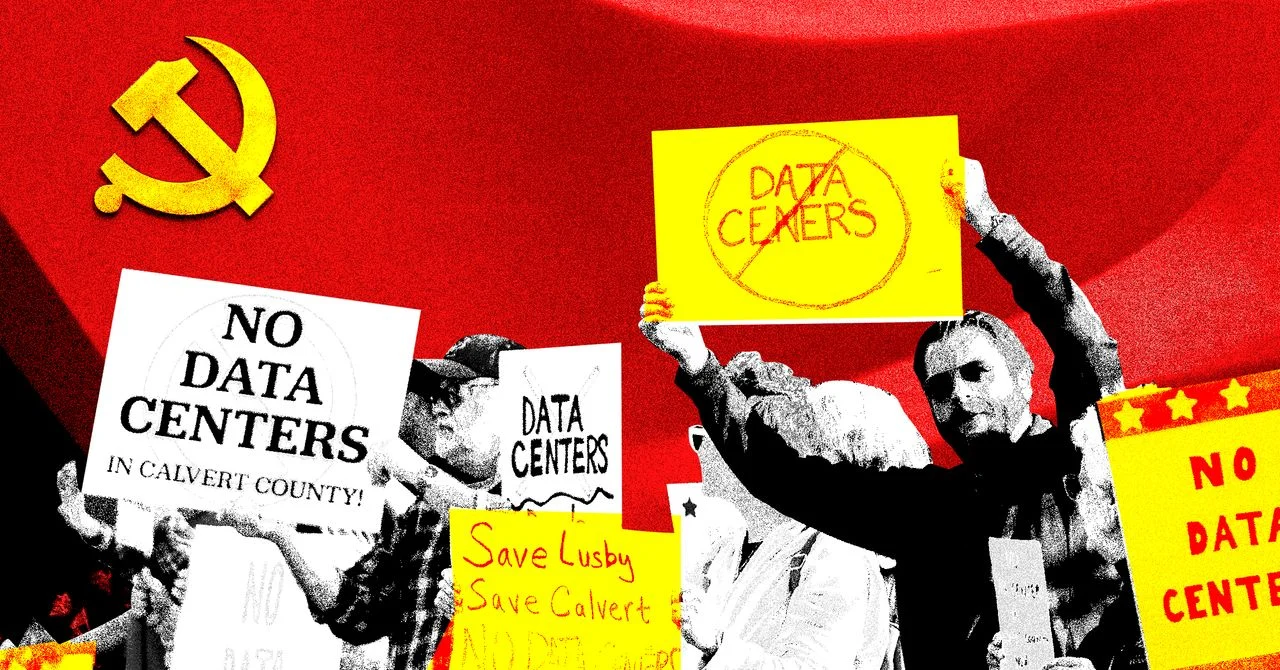
Republican lawmakers and tech investors have raised concerns over Chinese government influence in anti-data-center protests across the United States, citing reports from OpenAI and advocacy groups. However, security analysts and researchers interviewed by WIRED emphasize that domestic opposition to data centers is the main force behind the rise in anti-data-center sentiment nationally.
What Happened
In June 2026, several Republican officials, including Senator Tom Cotton and members of the House Energy and Commerce Committee, called for federal investigations into alleged Chinese Communist Party-led efforts to manipulate public opinion against data center developments in the US. These calls followed OpenAI’s release of a report identifying clusters of social media accounts, some using AI-generated content, that posted anti-data-center messages with alleged ties to China. Meanwhile, data center investors have echoed these claims, combining them with concerns about rising energy costs and local resistance to new developments.
Key Facts
- OpenAI reported on June 10, 2026, identified clusters of China-origin social media accounts spreading anti-data-center content using AI-generated imagery.
- Senator Tom Cotton sent a letter on June 2026 to Acting Attorney General Todd Blanche requesting an investigation into Chinese foreign influence campaigns.
- The Bitcoin Policy Institute released a report linking anti-data-center activism to foreign funding, including alleged connections to Chinese state media.
- Graphika, a social media analytics firm, monitored US data center opposition on platforms such as Facebook, Bluesky, and TikTok for over a year and saw no evidence of large-scale foreign influence operations.
- The opposition to data centers in the US is supported by polls indicating over 50% of Americans favor a development moratorium, according to Heatmap and Public First surveys.
Why It Matters
These allegations affect public perceptions of data center projects, influence political discourse on technology infrastructure, and could impact regulatory and law enforcement priorities. Misattributing domestic environmental and energy concerns to foreign interference risks overshadowing genuine community grievances and may complicate effective policy making around AI infrastructure and energy use.
Background
Data centers, which are essential for AI operations and internet services, have increasingly faced local opposition over environmental impacts and energy consumption in the US. High-profile discussions about AI safety and international cooperation, including an April 2026 panel involving Senator Bernie Sanders and Chinese experts, provided some context for heightened scrutiny of foreign influence in the technology sector.
Analysis
Kyle Chan, Brookings Institution fellow, and Graham Webster of Stanford’s Center for International Security and Cooperation, expressed skepticism about direct Chinese government orchestration of US protests, noting that Chinese academic experts typically advise their government and participate in international dialogues. They also highlighted that Chinese state media often report on US media stories without indicating coordinated influence operations.
Graphika analyst Dina Sadek stated that the anti-data-center narrative online is led primarily by domestic US actors, with no evidence of organized foreign campaigns beyond isolated examples of AI-generated content and sporadic foreign account activity.
Who Is Affected
US communities hosting or opposing data center developments, technology companies relying on data center infrastructure such as OpenAI, tech investors, and policymakers are directly impacted by the debates over local opposition and allegations of foreign interference.
What Remains Unclear
- Whether targeted foreign influence campaigns will grow more coordinated and impactful in the future.
- Specifics on the funding and scale of alleged Chinese-backed activities cited in some advocacy reports.
- The extent to which AI-generated social media content influences public opinion on data center issues.
- Details of any ongoing federal investigations into foreign influence in this sector.
What Comes Next
Federal agencies, including the FBI and the Department of Justice, are expected to respond to congressional inquiries regarding foreign influence in US infrastructure debates. Continued tracking and analysis by social media analytics firms like Graphika and technology companies such as OpenAI will monitor evolving narrative tactics around data center opposition.
Sources
This article is based on reporting and publicly available information from the following source:
Read more US News stories on Goka World News.