
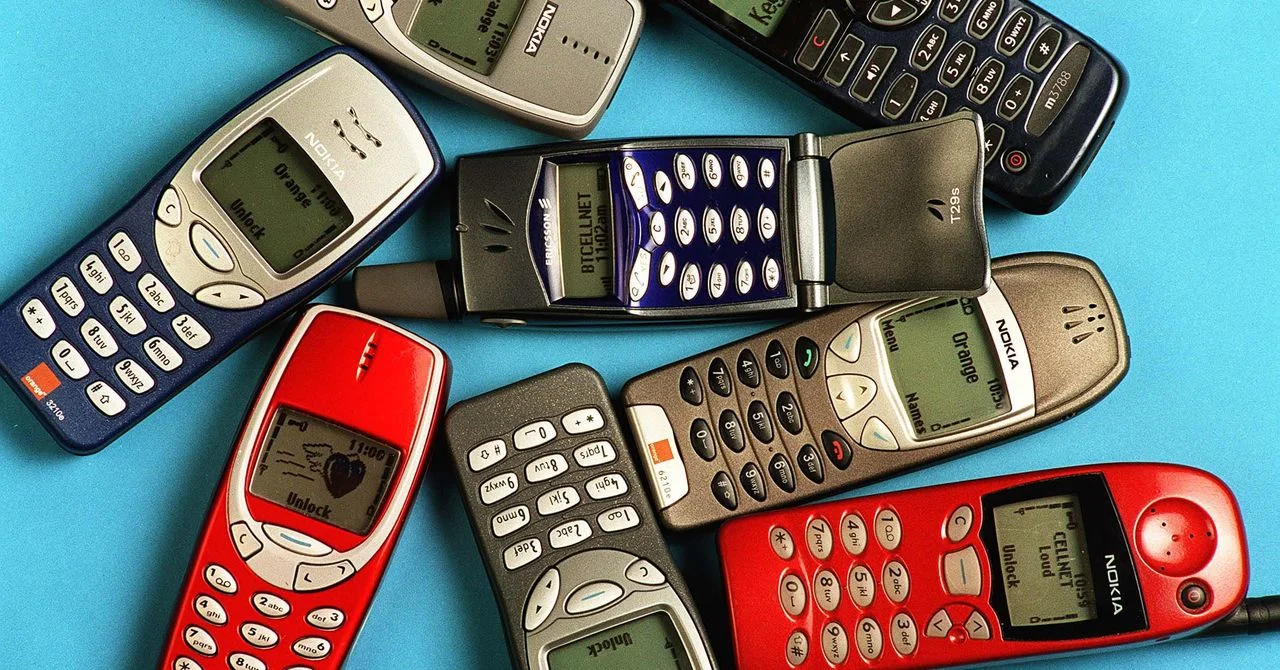
The Federal Communications Commission (FCC) has proposed a new rule aimed at eliminating anonymous use of burner phones and other phone services in the United States by enforcing strict customer identification requirements. The proposal, announced in late May 2026, would require cell carriers to collect detailed personal information from new and renewing customers to curb phone-related scams, according to official FCC disclosures.
What Happened
In late May 2026, the FCC unveiled a proposal to implement know-your-customer regulations for cellular networks. Under these rules, carriers would be mandated to obtain and retain customers’ full name, physical address, government-issued identification number, and an alternate telephone number before granting service access. This move targets the availability of burner phones and privacy-focused carriers that allow users to register with minimal or no identification. The FCC is currently accepting public comments on this proposal until June 25, 2026.
Key Facts
- The FCC proposal mandates collection of name, address, government ID, and alternate contact number for all new and renewing phone service accounts.
- The measure is likened to anti-money laundering regulations intended to reduce phone scams.
- Phreeli, a privacy-oriented phone carrier allowing sign-up with just a ZIP code, is directly threatened by the proposal.
- The FCC comment period closes on June 25, 2026.
- No official enforcement timeline has yet been announced.
Why It Matters
This proposal potentially ends a long-standing avenue of digital anonymity in phone communications, complicating efforts for journalists, activists, whistleblowers, and privacy-conscious individuals to use burner phones to evade surveillance and mass data collection. While aimed at reducing fraud and scam activity, the rule may significantly diminish privacy protections for innocent users.
Background
Until now, US law has allowed consumers to purchase and use phones or cellular services without submiting identifying information, permitting anonymous communication. Some carriers like Phreeli have pioneered privacy-friendly services that require minimal customer details.
Analysis
Privacy advocates have criticized the FCC proposal, warning it infringes on digital anonymity and privacy rights. Nicholas Merrill, founder of Phreeli, highlighted the importance of these services in protecting users from surveillance and exploitation by large data collection operations. The FCC frames the proposal as a necessary step to combat scams but faces opposition over civil liberties concerns.
Who Is Affected
The rule would primarily affect users of burner phones, privacy-first carriers, and anyone seeking to remain anonymous on cellular networks within the United States. It impacts journalists, activists, whistleblowers, and other groups reliant on phone anonymity, as well as network providers who offer minimal-registration services.
What Remains Unclear
- Whether the proposal will be finalized and implemented as initially outlined.
- Potential exemptions, enforcement mechanisms, and timeline for compliance by carriers.
- The full scope of impact on small carriers and privacy-focused service providers.
- How the collected personal data will be protected from misuse or breaches.
What Comes Next
The FCC is soliciting public comments on the proposed rule through June 25, 2026. Following this period, the commission will review feedback before deciding whether to adopt, modify, or reject the proposal. Further regulatory steps and implementation details remain to be announced.
Sources
This article is based on reporting and publicly available information from the following source:
Read more Digital Policy stories on Goka World News.