
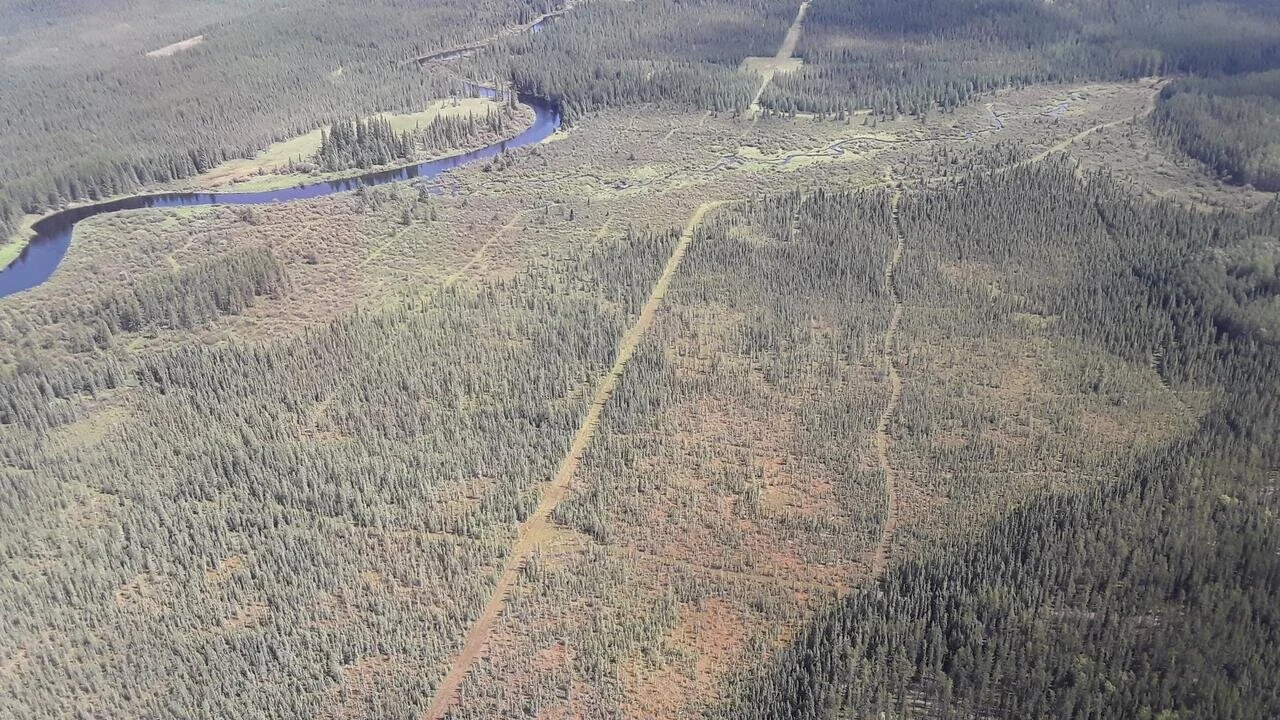
A new study from the University of Waterloo has demonstrated that damaged boreal peatlands in Canada, caused by oil and gas exploration, emit methane at rates three times higher than undisturbed areas. This significant increase in methane emissions contributes to enhanced climate change risks on a global scale.
What Happened
Researchers from the Faculty of Environment at the University of Waterloo examined methane emissions from plant stems and soil surfaces in boreal peatlands disrupted by linear clearings known as seismic lines. These linear disturbances, created to facilitate oil and gas surveying, have not recovered as previously expected. The findings, published on June 14, 2026, in Communications Earth & Environment, reveal methane emissions increased by 300% in bogs and nearly 200% in fens compared to undisturbed peatland sections.
Key Facts
- The research was conducted by the Wetland Soils and Greenhouse Gas Exchange Lab at the University of Waterloo.
- Methane emissions in seismic lines were found to be 300% higher in bogs and nearly 200% higher in fens than in undisturbed peatlands.
- The area of seismic lines in Alberta alone is large enough to wrap around the Earth nine times.
- Methane has approximately 80 times the heat-trapping potency of carbon dioxide over a 20-year period.
- The study’s DOI is 10.1038/s43247-026-03273-w, published in 2026.
Why It Matters
Methane is a potent greenhouse gas with a much higher global warming potential than carbon dioxide, making increased emissions from disturbed peatlands a significant contributor to accelerating climate change. Because boreal peatlands cover extensive areas across Canada, the United States, Russia, and Scandinavia, the impact of these disturbances extends beyond Canadian borders, amplifying global climate risks.
Background
Boreal peatlands are critical carbon sinks that store large amounts of organic carbon in saturated soils. Linear disturbances such as seismic lines, which are used for resource exploration, have long been thought to naturally regenerate without lasting environmental impact. However, this study challenges that assumption, showing that such damage leads to sustained, elevated methane emissions instead of recovery.
Analysis
Dr. Percy Korsah, a postdoctoral scholar involved in the study, emphasized the severity of methane’s warming effect compared to carbon dioxide. Professor Maria Strack, Canada Research Chair in Wetland Climate Solutions, underscored the need to factor environmental impacts and restoration costs into decisions on resource projects, warning these factors could affect their viability.
Who Is Affected
The primary regions affected are boreal peatlands in Canada, with similar ecological disturbances and methane emission increases occurring in other boreal zones such as the United States, Russia, and Scandinavia. Oil and gas companies operating in these areas are also directly impacted due to evolving environmental restoration responsibilities.
What Remains Unclear
- The effectiveness and scalability of current peatland restoration techniques under development remain to be determined.
- Long-term trends of methane emissions post-restoration efforts have not yet been fully established.
- Regulatory policies regarding seismic line restoration are still evolving and have not been uniformly applied.
What Comes Next
Researchers from the University of Waterloo and their collaborators are actively developing and field-testing restoration methods on seismic line sites. This research aims to mitigate methane emissions and promote ecosystem recovery going forward.
Sources
This article is based on reporting and publicly available information from the following source:
Read more Climate & Environment stories on Goka World News.