
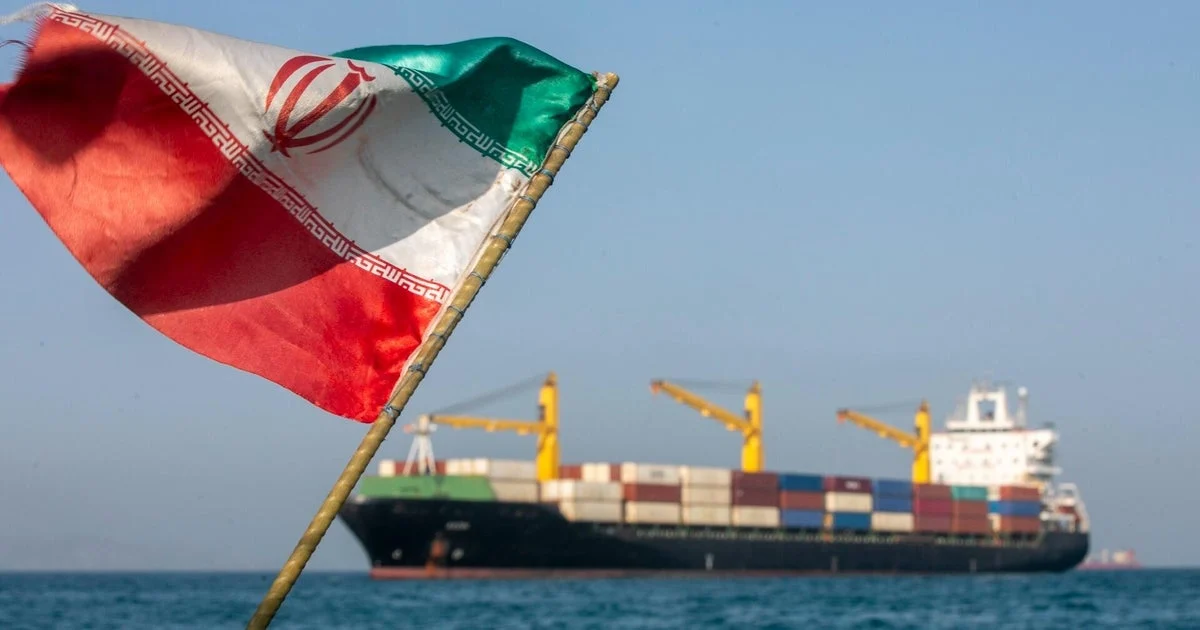
The United States and Iran have reached a historic deal aimed at ending military operations on all fronts and lifting the U.S. naval blockade of the strategic Strait of Hormuz. The agreement, announced on June 14, 2026, signals a significant de-escalation in tensions between the two nations and regional allies. A formal signing ceremony is scheduled for June 19 in Switzerland.
What Happened
On June 14, 2026, U.S. President Donald Trump declared the completion of a deal with Iran that includes the “immediate and permanent termination of military operations on all fronts.” The announcement came alongside Pakistani Prime Minister Shehbaz Sharif, who confirmed the upcoming signing ceremony in Switzerland. This accord authorizes the removal of the U.S. naval blockade of the Strait of Hormuz, a critical shipping route for global oil supplies.
Key Facts
- President Trump authorized the immediate removal of the U.S. naval blockade on the Strait of Hormuz.
- The deal includes ending military operations in Lebanon, as noted by Pakistani Prime Minister Sharif.
- The official signing of the agreement will take place on June 19, 2026, in Switzerland.
- Qatari mediators, among others from Saudi Arabia, Turkey, and Qatar, played a significant role in facilitating negotiations.
- Iranian Deputy Foreign Minister Kazem Gharibabadi confirmed the memorandum of understanding has been finalized.
- The full text of the agreement will be publicly released after the signing, according to Iranian state media.
Why It Matters
This deal marks a major step toward reducing hostilities between the U.S. and Iran, which have had widespread regional repercussions including in Lebanon and the strategic Strait of Hormuz, a vital artery for global energy flows. The removal of the naval blockade will facilitate international maritime trade and stabilize oil markets.
Background
The U.S. and Iran have been engaged in ongoing military tensions and proxy conflicts across the Middle East, including Lebanon. Previous efforts to curb hostilities in the region involved multiple international actors, including Saudi Arabia, Turkey, and Qatar, which contributed to the current mediation process.
Analysis
Pakistani Prime Minister Shehbaz Sharif emphasized the collaborative nature of the negotiations and indicated that forthcoming meetings will focus on technical details and implementation. Iranian Deputy Foreign Minister Kazem Gharibabadi remarked that while the agreement represents progress, it was reached “in an atmosphere of continued distrust,” highlighting cautious optimism in Tehran.
Who Is Affected
The agreement directly impacts the United States, Iran, Lebanon, and regional powers such as Saudi Arabia, Turkey, and Qatar. It also affects global shipping industries relying on the Strait of Hormuz and international oil markets sensitive to regional stability.
What Remains Unclear
- It is unclear whether Israel has agreed to cease its military operations in Lebanon as part of the deal.
- Specific operational details and terms of the military cessation have not been disclosed.
- The exact wording and provisions of the memorandum will only be revealed after the official signing.
What Comes Next
Preparatory meetings with each party are scheduled to take place in Doha during the week following the announcement, preceding the official signing ceremony in Switzerland on June 19. These discussions aim to prepare technical talks and ensure smooth agreement implementation.
Sources
This article is based on reporting and publicly available information from the following source:
Read more Politics stories on Goka World News.