
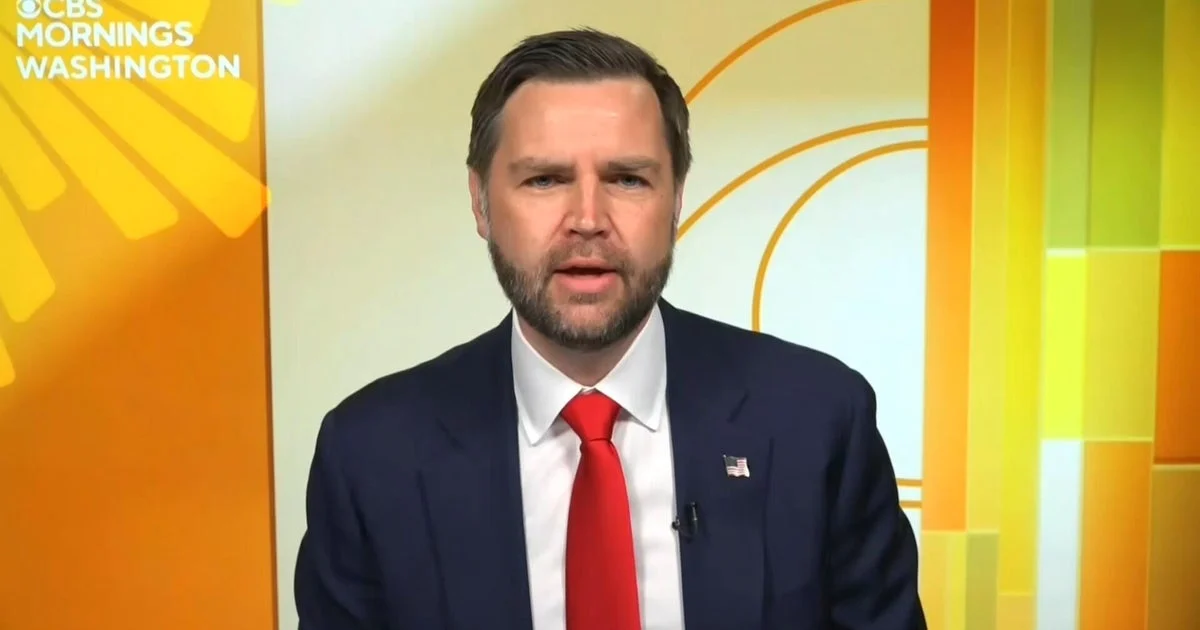
Vice President JD Vance denied on June 15, 2026, that Iran will receive “billions of dollars of assets” from the pending U.S.-Iran agreement announced the previous day and scheduled for signing later in the week. Vance emphasized that benefits to Iran depend on its fulfillment of obligations under the deal.
What Happened
On Monday, June 15, Vice President JD Vance appeared on CBS Mornings to address claims regarding the U.S.-Iran deal. The agreement, announced on Sunday, is set to be signed later this week but the full terms have not yet been released. Vance rejected reports suggesting Iran would receive $24 billion in frozen funds as part of the deal, countering assertions made by Iran’s Revolutionary Guard, which claimed half of those funds would be made available before final negotiations conclude.
Vance stated that while discussions are open to unfreezing assets, the cited $24 billion figure does not appear in the texts under negotiation. He highlighted that the greater aspect of the deal involves lifting sanctions on Iran’s economy, contingent on long-term commitments to nuclear nonproliferation. The vice president also indicated the full agreement text will be publicly available this week.
Regarding enforcement, Vance explained that technical talks starting on Friday will cover the destruction of Iran’s enriched nuclear stockpile, with the U.S. committed to confirming this process, though military involvement is not anticipated.
Key Facts
- The U.S.-Iran agreement was announced on June 14, 2026, with signing expected later this week.
- Iran’s Revolutionary Guard stated the country would receive $24 billion in frozen funds during a 60-day negotiation period.
- Vice President JD Vance denied the $24 billion figure is part of any current negotiation texts.
- Full agreement text will be released by the Trump administration within the week.
- Technical negotiations on nuclear material destruction will begin on Friday, June 19, 2026.
Why It Matters
The deal aims to prevent Iran from obtaining a nuclear weapon while potentially reintegrating Iran into the global economy. Clarity on asset release and enforcement mechanisms affects international trust and compliance assurance.
Background
Negotiations between the U.S. and Iran have been long-standing, with past agreements facing challenges around verification and sanction lifting. This new deal reflects ongoing efforts to secure Iran’s nuclear nonproliferation commitments while exploring economic normalization.
Analysis
Vance asserted that hardliners in Iran might misrepresent the deal to their domestic audience to gain support. He framed the agreement as extending a diplomatic hand contingent on Iran’s fulfillment of inspection and nuclear obligations. The administration’s transparency plans, including publishing the full text, respond to public calls for openness.
Who Is Affected
The parties directly affected include the U.S. and Iranian governments, the international nuclear regulatory bodies, and global economic stakeholders potentially impacted by sanctions relief and regional security dynamics.
What Remains Unclear
- The exact terms and financial details of the agreement remain unreleased pending official publication.
- Whether U.S. military forces will play any role in enforcing nuclear material destruction is not yet determined.
- The ultimate impact on Iran’s economy and sanctions relief is still uncertain.
What Comes Next
- Technical talks on nuclear stockpile destruction will begin on June 19, 2026.
- The Trump administration plans to release the full text of the U.S.-Iran agreement this week.
- Final signing of the agreement is scheduled for later this week.
Sources
This article is based on reporting and publicly available information from the following source:
Read more Politics stories on Goka World News.