
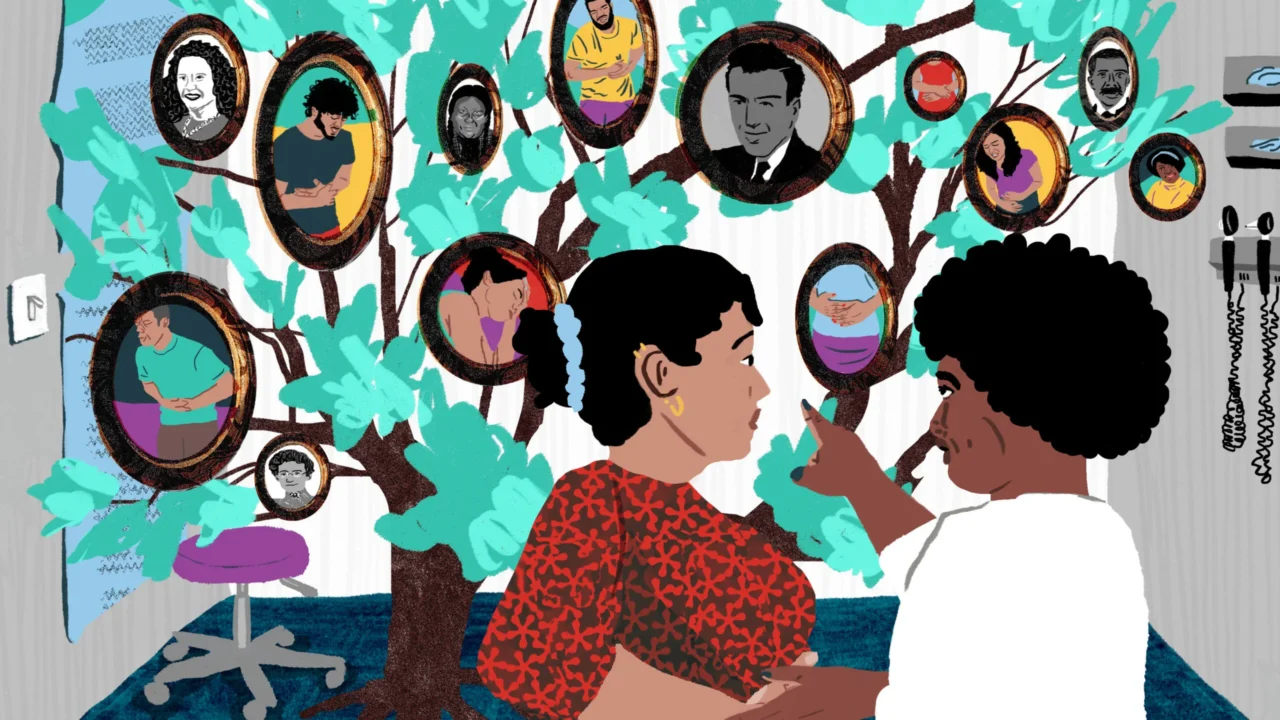
Early-onset cancers, particularly colorectal and breast cancers, are rising among adults under age 50 in the United States, according to reporting by KFF Health News. Medical experts stress the importance of knowing one’s family history and promptly addressing unusual symptoms to facilitate earlier diagnosis and treatment.
What Happened
Bryce Ramsey, diagnosed at 33 with stage 3 colorectal cancer in Mississippi, initially mistook blood in her stool for hemorrhoids. After persistent symptoms and insistence from a doctor, a colonoscopy revealed a sizable tumor. Ramsey underwent surgery and chemotherapy and is now an advocate for early cancer detection. Her case illustrates a broader trend: multiple cancers in younger adults are rising, with colorectal cancer the deadliest among Americans aged 18 to 49.
Key Facts
- Colorectal and breast cancers have shown the greatest increase among early-onset cancers in the U.S.
- The U.S. Preventive Services Task Force recommends mammograms starting at age 40 and colonoscopies starting at age 45 for average-risk individuals.
- Bryce Ramsey’s family members—her father, aunt, and brother—were also diagnosed with colon cancer after her diagnosis and survived following treatment.
- Research suggests a combination of factors may contribute to early-onset cancers, including obesity, alcohol use, environmental influences, and gut health disruptions.
- Oncologist Veda Giri of Yale Cancer Center highlights symptoms such as lumps, abdominal pain, changes in bowel habits, blood in stool, and unexplained fatigue as warning signs warranting medical attention.
Why It Matters
The increase in cancers among younger adults poses challenges for screening and timely diagnosis, since standard screenings have traditionally focused on older populations. Awareness of family history and attention to symptoms enable earlier intervention, potentially improving outcomes and survival rates. Public health guidance has recently adjusted screening age recommendations to address these trends.
Background
Previous research has not identified a singular cause for the rise in early-onset cancers. Instead, multiple lifestyle and environmental factors are implicated. Medical guidelines for cancer screening have evolved in recent years—for example, mammogram screening was lowered from 50 to 40 years by the U.S. Preventive Services Task Force, and colonoscopy screening age was lowered from 50 to 45 in 2021.
Analysis
Oncologist Veda Giri, director of Yale Cancer Center’s Early Onset Cancer Program, assesses that early symptom reporting is critical for timely cancer detection. She advises that while at-home cancer testing kits are widely available, their accuracy varies, and any abnormal results require consultation with a healthcare provider for confirmatory testing and follow-up care.
Who Is Affected
Adults under 50 in the United States are increasingly diagnosed with cancers traditionally considered diseases of older adults. Individuals with a family history of cancer, such as Ramsey’s family, face elevated risks and benefit from earlier and more frequent screenings.
What Remains Unclear
- The specific drivers behind the rising rates of early-onset cancers remain uncertain and are likely multifactorial.
- Optimal screening intervals and protocols for younger adults with differing risk profiles continue to be debated among medical experts.
- The long-term impact of environmental factors like microplastics on cancer risk lacks conclusive evidence.
What Comes Next
Health authorities continue revising screening guidelines to reflect emerging evidence. Patients are encouraged to build ongoing relationships with trusted healthcare providers or genetic cancer risk specialists to assess personal risk and update screening practices accordingly.
Sources
This article is based on reporting and publicly available information from the following source:
Read more Health & Public Health stories on Goka World News.