
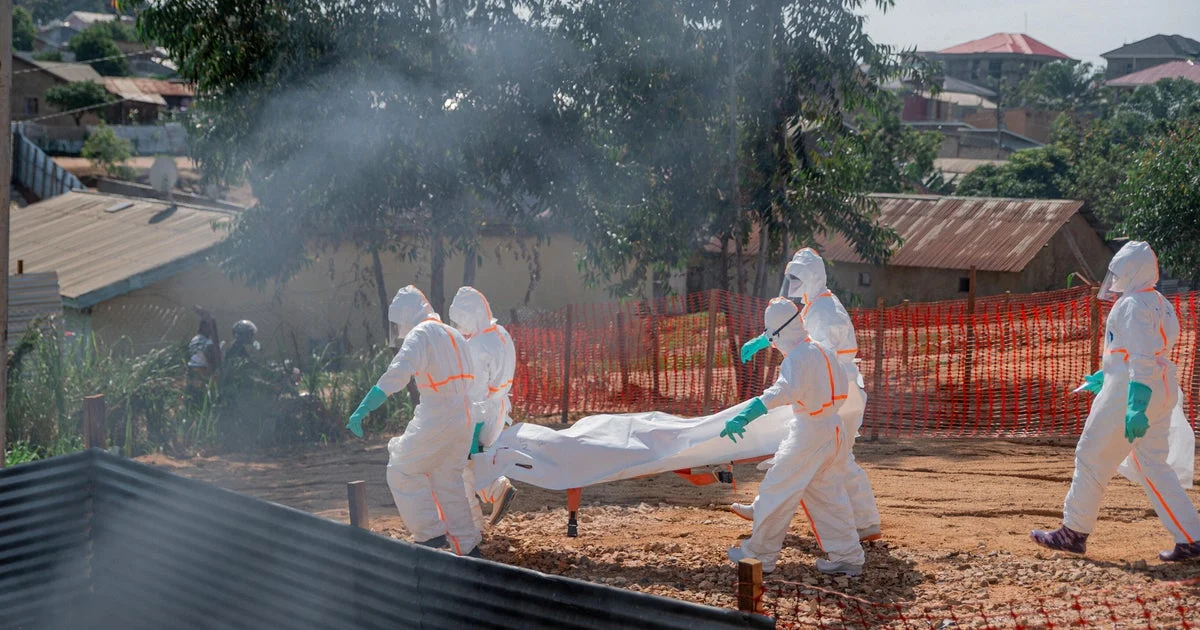
The Ebola outbreak in the Democratic Republic of Congo (DRC) and neighboring Uganda continues to intensify as the number of confirmed cases climbs past 800, raising alarms for a broadening health crisis in Central Africa. The outbreak, declared one month ago, is still expanding geographically and remains difficult to contain amid challenges in contact tracing and cross-border movement.
What Happened
As of mid-June 2026, the Ebola outbreak primarily centered in the Ituri province of the Democratic Republic of Congo shows sustained community transmission. Confirmed cases surged by approximately 300 within a week, passing a total of 800. Neighboring Uganda has confirmed at least 19 cases, including two deaths, mostly linked to imported infections from Congo. Despite official border closures between the two countries, cross-border movement persists. Health workers in Congo have encountered resistance when removing bodies of Ebola victims due to traditional burial practices, complicating containment efforts.
Key Facts
- Over 800 confirmed Ebola cases in the DRC as of June 2026, a rise of about 300 since the previous week (WHO).
- At least 19 confirmed Ebola cases in Uganda, with two fatalities reported (WHO as of June 10, 2026).
- Approximately 3,000 potential Ebola contacts in the DRC remain untraced by health workers (Congolese health officials).
- The outbreak epicenter is Ituri province in the DRC, where intense community transmission continues (WHO).
- The shared border between DRC and Uganda measures nearly 500 miles and remains porous despite official closure (Ugandan officials).
Why It Matters
The ongoing spread of Ebola in the DRC and across the border into Uganda poses a significant public health threat to the Central African region. The disease’s persistence and geographic expansion hinder containment efforts, increasing risks of a wider epidemic. Cross-border infections jeopardize regional stability and strain health systems, particularly where contact tracing gaps exist. The cultural and familial ties across this porous border complicate movement restrictions and epidemic control.
Background
This outbreak was officially declared one month prior to mid-June 2026, with the WHO identifying the Ituri province as the epicenter. Traditional burial customs in affected communities have impeded efforts to safely manage infected bodies, heightening transmission risk. Neighboring Uganda has faced imported cases due to its proximity and shared cultural ties with populations in the DRC, despite government-imposed border closures aimed at limiting transmission.
Analysis
Dr. Marie-Roseline Belizaire, WHO Incident Manager, highlighted ongoing deaths reported from communities in Congo as evidence of “missing cases” and undetected transmission. Uganda’s National Director of Public Health, Dr. Daniel Kyabayinze, noted the challenges posed by the long, porous border, emphasizing that the movement of people continues informally despite restrictions, making containment efforts difficult. Both officials expressed concern but acknowledged improvements in contact tracing and preventative measures.
Who Is Affected
The populations most directly affected include residents of Ituri province in the DRC and border communities in Uganda. Health workers in both countries face challenges in tracing, treating, and persuading communities to cooperate with safe practices. Families divided by the Congo-Uganda border are impacted by movement restrictions and the health threat.
What Remains Unclear
- Exact numbers of unreported Ebola cases remain uncertain given deaths reported outside official health tracking (WHO).
- The total extent of informal cross-border movement and its precise impact on case spread is not fully quantified (Ugandan officials).
- The effectiveness of contact tracing efforts, which cover only a little over half of known contacts, leaves gaps in assessing the full outbreak scale (Congolese health workers).
What Comes Next
Health authorities in both countries continue monitoring the outbreak with intensified surveillance and community engagement. Officials aim to improve contact tracing and maintain border screenings, though informal crossings remain a concern. No new confirmed cases have been reported in Uganda in the 11 days prior to the report, but vigilance is ongoing. The WHO and local governments are expected to sustain response efforts to prevent further escalation.
Sources
This article is based on reporting and publicly available information from the following source:
Read more Health & Public Health stories on Goka World News.