
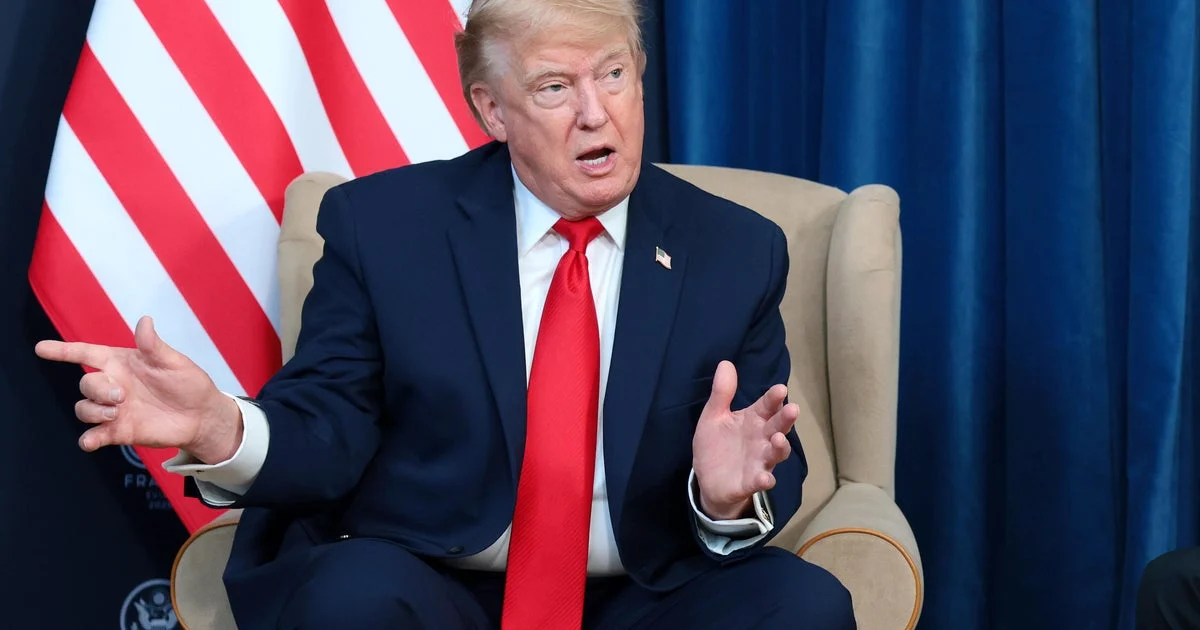
President Donald Trump criticized Israeli Prime Minister Benjamin Netanyahu on June 16, 2026, describing Israel’s recent military strikes in Lebanon as “too much” and “vicious.” Speaking from the G7 summit in Évian-les-Bains, France, Trump expressed frustration over the timing of the attacks, which occurred shortly before a planned ceasefire agreement with Iran was to be finalized.
What Happened
On June 14, 2026, Israel launched strikes against a command center in Beirut held by Hezbollah, an Iran-backed militant group. The attacks took place just hours before Iran and the United States planned to formalize a ceasefire agreement in Switzerland on June 19. Following the strikes, Iran warned that such military actions could derail the deal. President Trump publicly called for restraint from all involved parties and urged Netanyahu to exercise greater responsibility in Lebanon.
Key Facts
- Trump referred to the strikes as “too much” and “vicious.”
- The attack targeted a Hezbollah command center in Beirut, Lebanon.
- The ceasefire agreement between the U.S. and Iran was scheduled to be formalized on June 19, 2026, in Switzerland.
- Trump stated Israel has been fighting Hezbollah for “too long.”
- Israeli officials indicated troops would remain in Lebanon, asserting that “Trump’s agreement does not bind us.”
- Iran’s foreign minister said any Israeli military presence in Lebanon would violate the new ceasefire deal.
- Trump suggested Syria could better address Hezbollah activities.
Why It Matters
The timing of Israel’s strikes threatened to disrupt the fragile ceasefire process between Iran and the United States, complicating diplomatic efforts to stabilize the region. Trump’s comments underscore tensions in the U.S.-Israeli relationship concerning Middle East military operations and the fragile balance of power involving Hezbollah and Iran.
Background
Israel and Hezbollah have a long history of conflict, with frequent military engagements in Lebanon. The Trump administration has previously brokered and supported Israeli security interests. The ongoing ceasefire negotiations with Iran aim to reduce hostilities in the Middle East but have been delicate, with regional powers reacting strongly to military actions.
Analysis
Trump’s criticism of Netanyahu reflects his frustration with the Israeli leadership’s timing and approach to Hezbollah in Lebanon. According to Fox News reporter Trey Yingst, Trump bluntly questioned Netanyahu’s actions following the strikes. Israeli officials maintain their autonomy in military decisions, highlighting a divide between U.S. diplomatic initiatives and Israel’s operational priorities in the region.
Who Is Affected
- The populations of Lebanon and Israel, particularly civilians in Beirut impacted by military strikes.
- The Iranian government and Hezbollah as parties to the ceasefire agreement.
- The U.S. government and its diplomatic efforts to de-escalate Middle East tensions.
What Remains Unclear
- Whether the ceasefire agreement will be fully finalized and upheld despite Israeli military actions.
- The long-term implications of Israeli troop presence in Lebanon despite Iran’s objections.
- How Netanyahu and Israeli leadership will adjust their military strategy in response to U.S. pressure.
What Comes Next
- Ceremonial finalization of the ceasefire agreement with Iran is expected on June 19, 2026, in Switzerland.
- Continued monitoring of Israel’s military posture in Lebanon in relation to the new ceasefire regime.
Sources
This article is based on reporting and publicly available information from the following source:
Read more Politics stories on Goka World News.