
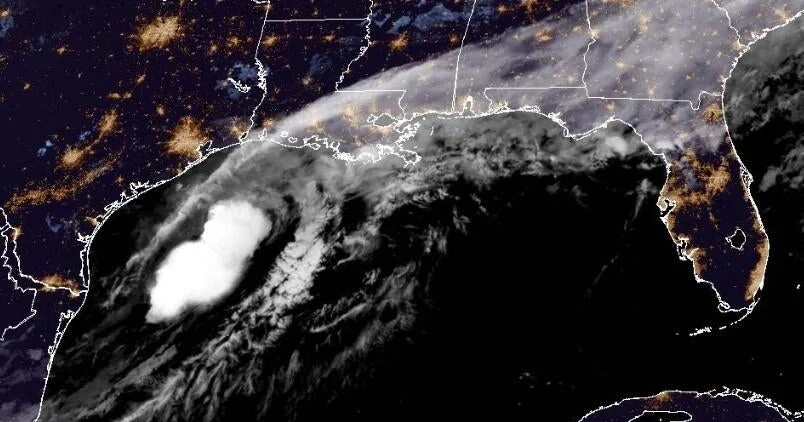
Forecasters are closely watching a potential tropical cyclone developing off the Texas Gulf Coast, which could become the first named storm of the 2026 Atlantic hurricane season by Wednesday. The system poses risks of heavy rain and life-threatening flash flooding to communities across Texas, Louisiana, and surrounding states.
What Happened
On the morning of June 17, 2026, the National Hurricane Center (NHC) identified Potential Tropical Cyclone One located approximately 35 miles southwest of Port O’Connor, Texas, traveling northeast at 6 mph. The system carried maximum sustained winds of 30 mph, below the tropical storm threshold of 39 mph but expected to strengthen. The NHC forecasted the disturbance to move along the Texas coast before moving inland over southwestern Louisiana by evening, possibly becoming a tropical storm during the day but weakening once on land.
Key Facts
- Location: Northwest Gulf of Mexico, approximately 35 miles southwest of Port O’Connor, Texas
- Date and Time: June 17, 2026, 9:00 AM EDT update
- Movement: Northeast at 6 miles per hour
- Wind Speed: Maximum sustained winds of 30 miles per hour
- Rainfall Forecast: 5 to 10 inches with isolated totals up to 20 inches across mid- and upper-Texas coast, southern and central Louisiana, Mississippi, Alabama, western Georgia, and the Florida Panhandle
- Warnings: Tropical storm warning for Louisiana coast from Sabine Pass to Morgan City; tropical storm watch for Texas coast from Sabine Pass to Sargent
- Areas potentially affected include Dallas, Houston, San Antonio, New Orleans
Why It Matters
The disturbance threatens widespread heavy rainfall capable of triggering dangerous and life-threatening flash flooding for tens of millions of residents across multiple states. The flooding risk complicates ongoing activities, including World Cup events in Houston, and necessitates public safety precautions along the Gulf Coast.
Background
This tropical disturbance marked the earliest potential Atlantic tropical cyclone of the 2026 season, appearing amid a period of significant rain and flooding already impacting parts of the southern United States. This comes as record rainfall has recently drenched the region, exacerbating flood risks.
Analysis
The National Hurricane Center indicated the system was likely to gain strength and achieve tropical storm status by late Wednesday, signaling an elevated risk of severe weather conditions along the Texas and Louisiana coastlines. The NHC forecasted the cyclone would weaken after inland movement, dissipating by Thursday morning.
Who Is Affected
The coastal populations of Texas and Louisiana face direct impact from tropical storm conditions and heavy flooding. Inland cities such as Dallas, Houston, San Antonio, and New Orleans also face periods of significant rainfall, posing risks to urban areas and events within these locales.
What Remains Unclear
- Whether the disturbance will officially reach tropical storm strength and receive a name
- The exact rainfall distribution, particularly isolated locations that may receive up to 20 inches
What Comes Next
The National Hurricane Center will continue to monitor and update forecasts for Potential Tropical Cyclone One throughout June 17, with expected weakening after it moves inland tonight or early Thursday. Tropical storm warnings and watches remain in effect as authorities prepare for potentially intense flooding and wind impacts.
Sources
This article is based on reporting and publicly available information from the following source:
Read more US News stories on Goka World News.