
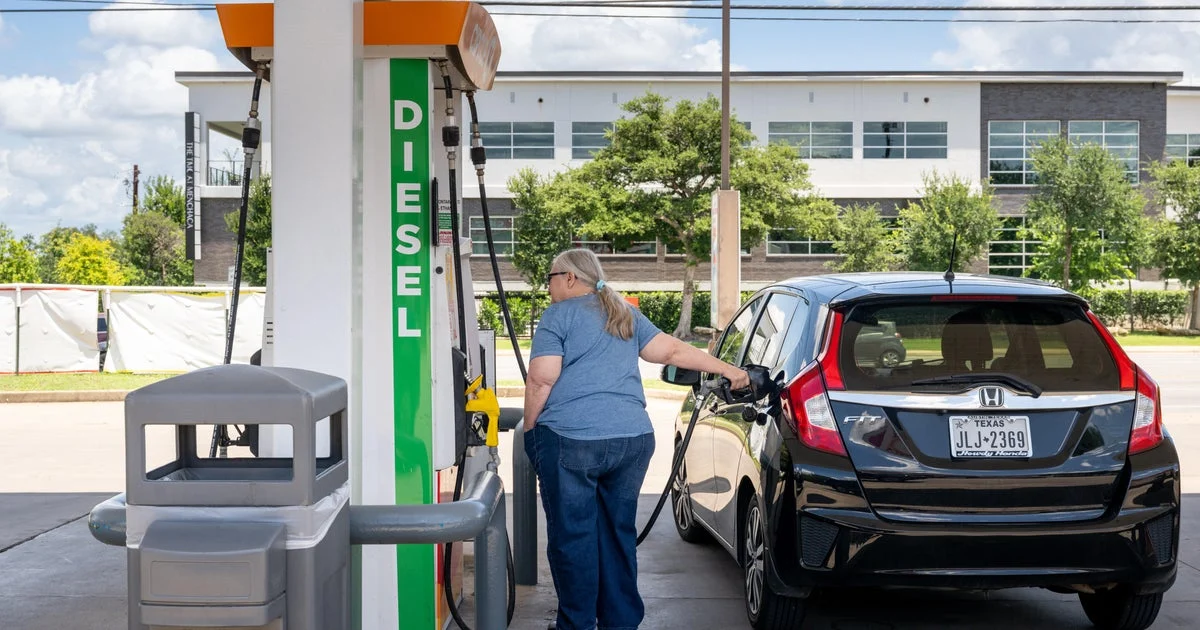
Gasoline prices in the United States fell below the $4-per-gallon mark on Thursday for the first time in nearly three months, reaching a national average of $3.99. This decline follows a surge driven by the war in Iran, which had pushed global oil prices higher earlier this year.
What Happened
On June 18, 2026, gasoline prices across the U.S. dropped below $4 a gallon, the lowest level since March 30, according to data from AAA. The decrease comes after a tentative memorandum of understanding was signed between the United States and Iran aimed at ending the ongoing conflict that began on February 28. This preliminary deal reopened the Strait of Hormuz—a critical shipping passage through which about one-fifth of the world’s oil supply passes—after it had been effectively closed during hostilities.
Following the formal signing of the agreement by former President Donald Trump on Wednesday, multiple commercial vessels began transiting the strait, signaling a potential easing of supply disruptions. Concurrently, international oil prices softened, with Brent crude falling 1.4% to $78.46 per barrel and West Texas Intermediate dropping 2.2% to $75.10 per barrel on Thursday.
Key Facts
The national average gas price in the United States reached $3.99 per gallon on June 18, 2026, marking the first sub-$4 level since March 30. Despite this drop, prices remain over one dollar higher than before the war in Iran began. Brent crude, the global benchmark, settled at $78.46 per barrel, and West Texas Intermediate, the U.S. standard, was priced at $75.10 per barrel on the same date. At least 10 commercial vessels reportedly passed through the Strait of Hormuz following the agreement.
What This Means
The decline in U.S. gas prices suggests relief for consumers who have been facing elevated fuel costs for months due to geopolitical risks disrupting global oil supply chains. Gas prices heavily influence the cost of transportation and goods, so lower pump prices may ease inflationary pressures on households and businesses. The reopening of the Strait of Hormuz is particularly significant because it restores the flow of oil shipments, which had been severely restricted and thus contributed to volatility in energy markets.
If the peace process between the U.S. and Iran continues to progress without setbacks, further stabilization or reduction in oil prices is possible. This could translate into sustained lower fuel costs through the remainder of the year. However, uncertainty remains as geopolitical dynamics could shift, potentially reversing recent gains and affecting prices anew.
For industries reliant on transportation and consumers sensitive to fuel expenses, such developments could improve economic conditions by lowering operating and travel costs. It also underscores the critical role of international diplomacy in stabilizing energy markets which have far-reaching effects on inflation and economic growth.
Background
The spike in fuel prices earlier this year was triggered by the conflict between the U.S. and Iran, which started on February 28, 2026, and effectively closed the Strait of Hormuz, a vital chokepoint for global oil shipments. This led to a sharp increase in crude oil prices and subsequently gasoline prices in the U.S. The current signals of a resolution are helping ease those pressures.
What Comes Next
Patrick De Haan, a petroleum analyst at GasBuddy, indicated that if the U.S. and Iran continue moving in a positive direction without drastic reversals, the national gas price average could drop below $3 per gallon by the end of this year or early in 2027. Monitoring geopolitical developments and oil market responses will be crucial for forecasting future fuel costs.
Sources
This article is based on reporting and publicly available information from the following source:
Read more Business stories on Goka World News.