
A federal judge in Minnesota has quashed six grand jury subpoenas served by the U.S. Department of Justice against state and local government officials, including Governor Tim Walz and Minneapolis Mayor Jacob Frey. The ruling found the subpoenas were retaliatory and improperly used to pressure officials over immigration enforcement actions.
What Happened
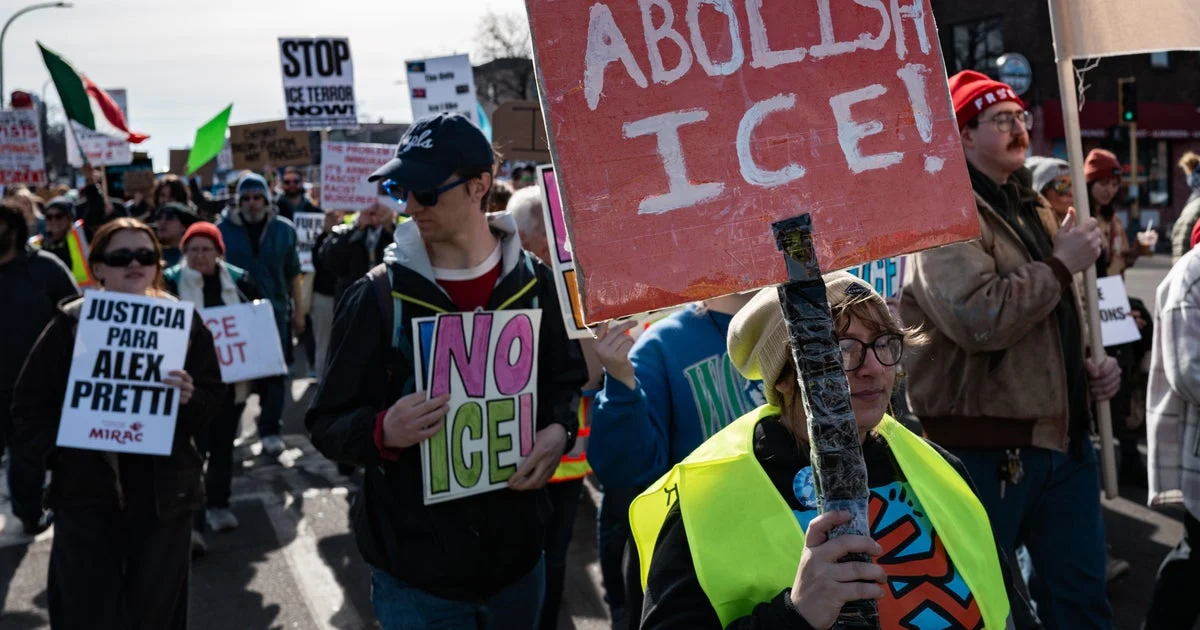
On June 22, 2026, U.S. District Judge Patrick Schiltz issued a ruling blocking subpoenas issued against the Minnesota governor’s office, the state attorney general, offices of two Minnesota mayors, as well as the Ramsey and Hennepin County Boards of Commissioners. These subpoenas had been issued under the Trump administration’s Justice Department following the Minnesota officials’ legal challenge aimed at halting Operation Metro Surge, a federal immigration enforcement campaign led by U.S. Immigration and Customs Enforcement (ICE).
Judge Schiltz determined that the subpoenas were issued not for legitimate investigative purposes but rather as a form of coercion to compel Minnesota officials to cooperate with immigration enforcement efforts. The judge described this use of grand jury proceedings as “blatantly unlawful and unethical,” framing it as political retaliation disguised as legal action.
Key Facts
The subpoenas targeted a range of political offices including Governor Tim Walz’s office and that of Minneapolis Mayor Jacob Frey. The operation at the center of this conflict, Metro Surge, was a Trump administration initiative to increase immigration enforcement. The Minnesota officials had filed suit to block it, triggering the subpoenas afterward.
Judge Schiltz emphasized that the Justice Department “has struggled — without success — to identify a single plausible investigatory justification for the subpoenas.” The ruling explicitly found the subpoenas intended to pressure political opponents, an unauthorized use of the grand jury process.
What This Means
This ruling highlights significant judicial pushback against the federal government’s use of legal tools perceived as politically motivated. For Minnesota officials and other state and local governments, the decision reinforces protections against federal overreach that seeks to punish or coerce officials acting on behalf of their constituents.
For residents and local governance, the ruling serves as a safeguard of democratic principles, ensuring that officials can challenge federal actions without fear of criminal investigations being used as retaliation. The case also underscores the delicate balance between federal authority and state autonomy, particularly on contentious issues like immigration enforcement.
Nationally, this decision may influence how the Justice Department pursues similar investigations, potentially curbing the use of subpoenas as instruments of political pressure. It reflects ongoing concerns about the politicization of criminal justice processes in the U.S.
Reactions
Governor Walz called the ruling “a victory for the rule of law and our democracy,” critiquing the federal government’s pursuit of political opponents through criminal investigations. He described the case as part of broader “lawlessness” by the administration.
Minnesota Attorney General Keith Ellison said it should concern every American that criminal justice mechanisms are being weaponized against political adversaries. Minneapolis Mayor Jacob Frey condemned the subpoenas as politically driven retaliation, emphasizing that public officials have a right to represent their constituents without facing retribution.
What Comes Next
The Department of Justice has not publicly commented on the ruling. Future actions, including whether the Justice Department will appeal the decision or pursue other investigative methods, remain to be seen.
Sources
This article is based on reporting and publicly available information from the following source:
Read more Politics stories on Goka World News.