
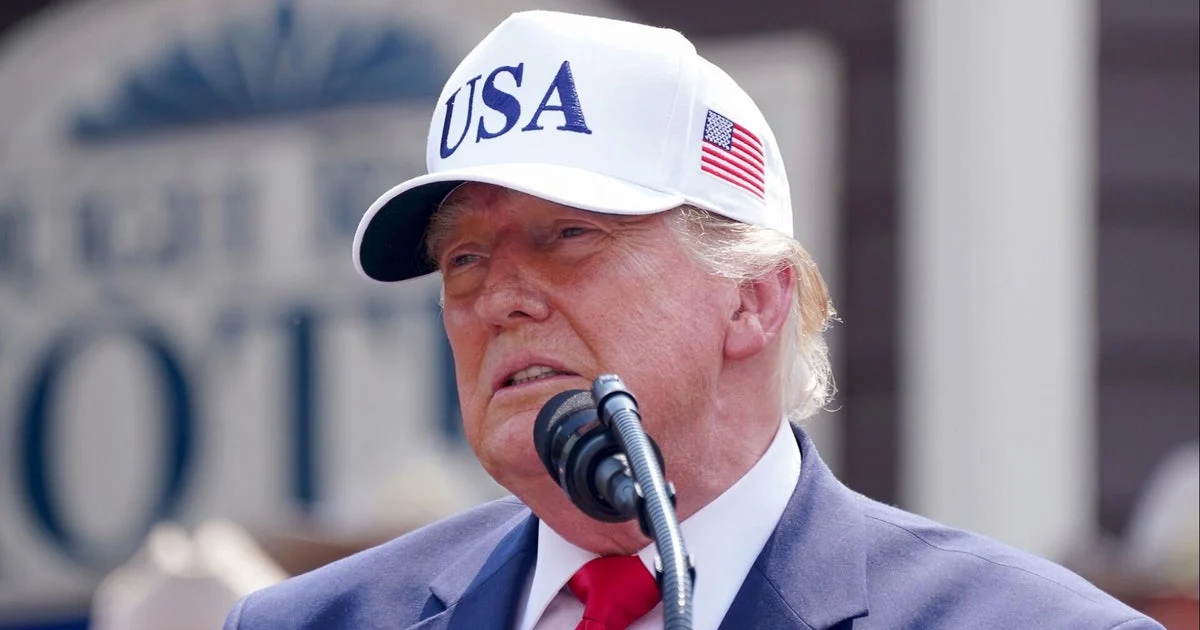
Nearly a year after President Donald Trump signed the One Big Beautiful Bill Act (OBBBA) into law on July 4, 2025, a clearer picture has emerged of which groups have seen financial gains and which have faced reductions under the sweeping legislation. Designed to deliver tax cuts and reduce federal spending, the law’s complex impact varies widely across income groups, businesses, and social programs.
What Happened
The OBBBA, signed exactly one year ago, extended significant tax cuts initially enacted under the 2017 Tax Cuts and Jobs Act, while implementing spending reductions in federal assistance programs. Key elements include preserving the top individual tax rate at 37%, increasing the state and local tax (SALT) deduction to $40,000 annually, and restoring full expensing for business investments. On the spending side, the law introduced work requirements for Medicaid and the Supplemental Nutrition Assistance Program (SNAP), cutting benefits for some recipients.
Key Facts
The law’s most prominent financial provisions include:
- A permanent 37% top individual tax rate, benefitting households earning over $640,000 (single) and $768,000 (married), rather than the planned increase to 39.6%.
- The SALT deduction raised from $10,000 to $40,000 a year, largely benefiting the wealthiest taxpayers.
- Corporations regained 100% bonus depreciation on short-lived assets and immediate deductibility of domestic R&D expenses, significantly lowering their tax liabilities.
- Approximately 7 million workers claimed the “no tax on tips” deduction, and 28 million claimed the “no tax on overtime” deduction, saving them thousands in taxes.
- Senior taxpayers over age 65 received a $6,000 bonus deduction, claimed by about 34 million seniors.
- The OBBBA created Trump Accounts, a new tax-advantaged savings vehicle for children, with more than 6 million accounts opened as of mid-2026.
- SNAP participation dropped by more than 4 million people (10%) since the enactment due to new work requirements.
- Electric vehicle sales declined 22% in 2026 following the expiration of federal EV tax credits under the law.
What This Means
The One Big Beautiful Bill Act reshaped the economic landscape by providing substantial tax relief to high-income households and profitable corporations, thereby incentivizing continued investment and job creation. However, these financial benefits partly come at the cost of federal support for vulnerable populations. The new work requirements in SNAP and Medicaid have already led to large drops in enrollment, signaling both tighter eligibility and potentially greater hardship for lower-income Americans reliant on these programs.
While proponents argue that linking work incentives to benefits can improve long-term economic outcomes, the immediate reduction in aid has implications for consumer spending and retail revenues, especially in communities dependent on SNAP dollars. At the same time, ending EV and clean energy tax credits signals a shift away from subsidies that previously encouraged green technology adoption, contributing to a marked decline in EV sales. This shift could affect the trajectory of the clean energy sector and related industries.
For average workers, provisions like the “no tax on tips” and overtime deductions offer tangible tax relief, effectively putting more money into pockets. Families have new avenues to grow long-term savings for children through the Trump Accounts, potentially influencing future wealth-building. Overall, the law’s dual focus on tax cuts and spending cuts creates a complex balance of winners and losers, underscoring ongoing policy debates about fiscal priorities and economic equity.
Background
The OBBBA builds on the tax framework set in the 2017 Tax Cuts and Jobs Act but makes key tax provisions permanent rather than allowing them to expire at the end of 2025. The legislation was presented as a way to provide “Working Families Tax Cut” relief and spur long-term growth by encouraging investment through full expensing of equipment and permanent tax deductions for small businesses. Opposition from Democrats framed the bill as favoring wealthy taxpayers and corporations, funded by cuts to social safety net programs.
Sources
This article is based on reporting and publicly available information from the following sources:
Read more Politics stories on Goka World News.