
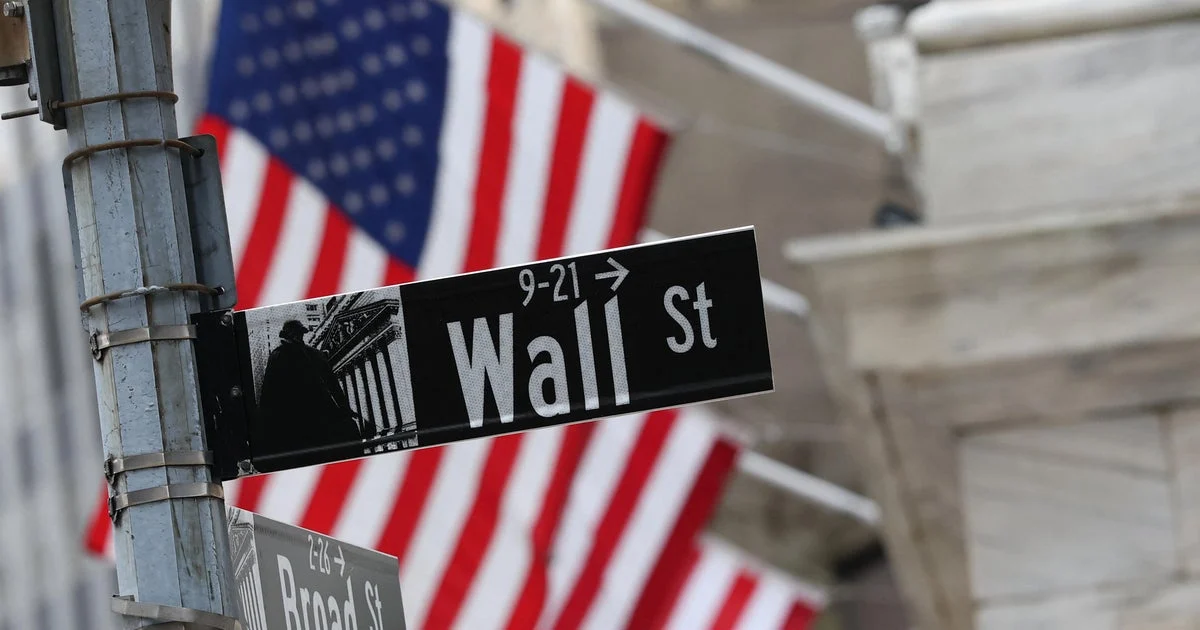
Technology stocks saw a sharp selloff for a second day on Tuesday as investors grow increasingly skeptical about whether artificial intelligence (AI) investments will translate into the profits fueling high valuations for major companies such as Alphabet, SpaceX, and Nvidia. The tech-heavy Nasdaq Composite dropped 580 points, or 2.2%, closing at 25,587 amid ongoing market volatility and profit-taking.
What Happened
On June 23, 2026, the Nasdaq experienced its second day of steep declines following a 1.3% drop the previous day. Investors took a cautious stance on technology shares despite no specific catalyst, reflecting unease over the sustainability of lofty earnings expectations tied to AI developments. Notably, Meta Platforms and Microsoft entered “bear” market territory, defined as a 20% drop from their most recent peak. Meanwhile, Nvidia’s stock plunged 4.2%, and Broadcom fell 3.1%. Alphabet declined marginally by 0.8%, and Amazon closed up slightly, rebounding 0.6%. SpaceX shares recovered modestly, ending 1% higher at $156.11 after an earlier sharp drop from highs above $200 following its recent initial public offering.
Key Facts
Market analysts highlighted the disconnect between investor optimism regarding AI and emerging doubts about the ability of these investments to generate substantial profits. According to data from Bank of America Institute, only about 3% of U.S. households currently pay for AI services, predominantly those with higher incomes, though the number of paying users is rising by 38% since 2024. Despite rapid growth in AI technology adoption, monetization remains nascent. The Federal Reserve has also signaled potential interest rate hikes later this year, adding to market uncertainty with inflation expectations rising to an estimated 4.1% for May 2026.
What This Means
This selloff underscores a pivotal moment for investors: the market is shifting from bullish speculation about AI’s potential to demanding concrete financial evidence that AI can drive sustained revenue growth. Technology stocks had enjoyed considerable gains over previous months, with indexes like the Nasdaq up 26% since March. The recent price correction reflects a natural market cycle as investors reassess risk amid rising borrowing costs and economic uncertainties.
For investors and consumers alike, this adjustment means heightened scrutiny over which AI-driven technologies will become profitable and how quickly. Companies may face pressure to demonstrate that their AI investments translate into tangible financial returns, not just hype or user adoption. The selloff may slow enthusiasm for speculative AI-related investments in the near term but can also encourage more disciplined and sustainable approaches within the tech sector.
The Bigger Picture
The decline in U.S. technology stocks is mirrored globally, with South Korea’s Kospi index tumbling amid regulatory concerns in the semiconductor sector. The volatility highlights wider economic apprehensions including the impact of inflation and geopolitical tensions on technology markets. While this correction might rattle investor confidence momentarily, experts consider it a healthy recalibration rather than an onset of a prolonged downturn.
What Remains Unclear
It remains uncertain which companies will successfully capitalize on AI development’s commercial potential and how interest rate increases will ultimately affect technology sector growth. Official sources have not confirmed the full extent of investor reactions to upcoming Federal Reserve decisions, nor whether all affected stocks will stabilize soon.
Sources
This article is based on reporting and publicly available information from the following source:
Read more Business stories on Goka World News.