
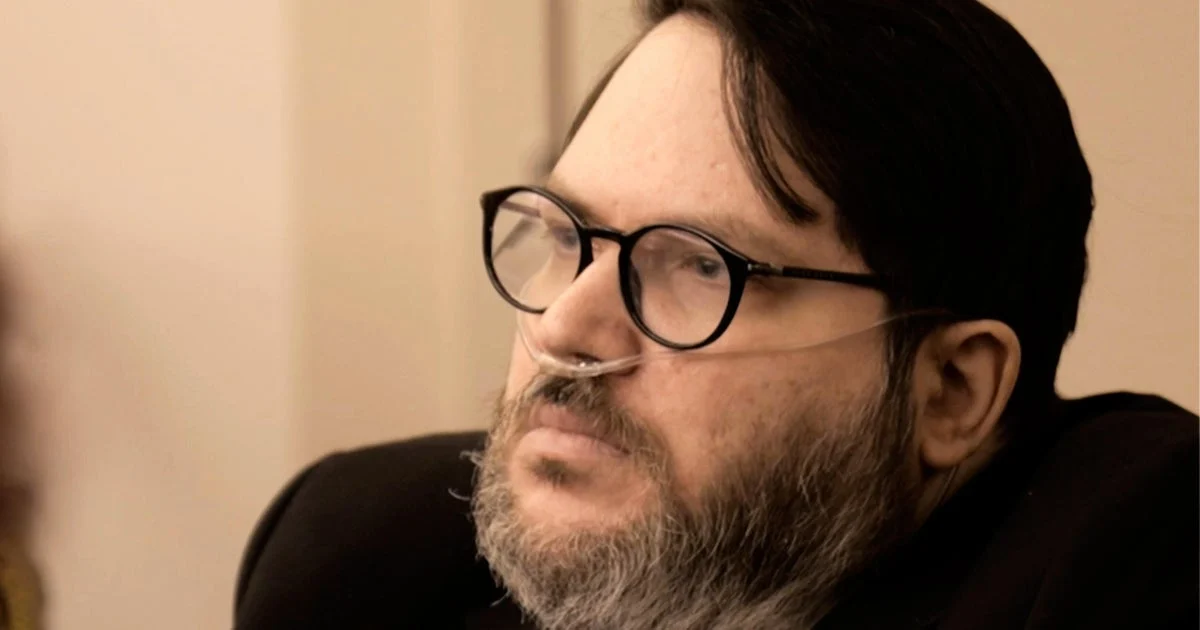
Nicholas Rossi, the American man who faked his own death and fled to Scotland to avoid rape charges in the United States, has died in a Utah prison months after being convicted of two sexual assault cases. Rossi’s death marks the end of a lengthy international search and legal battle that spanned several years and two continents.
What Happened
Rossi, 38, was serving a prison sentence of at least 10 years in Utah after his 2025 trial convicted him of sexual assault. He died on the night of June 25, 2026, at a Utah hospital, where he had been transferred from prison due to health complications. The Utah Department of Corrections confirmed his death on June 26, stating it followed his decision to discontinue medical treatment related to an existing condition. Rossi had been extradited from Scotland in 2024, where he was arrested after authorities tracked him down following years of evasion.
Key Facts
Authorities identified Rossi in 2018 using DNA evidence from a decade-old rape kit. In the interim, Rossi had faked his own death, with an online obituary claiming he died in February 2020 from non-Hodgkin lymphoma. This was proven false by Rhode Island police and other associates who suspected he was alive. Rossi used at least a dozen aliases, including Nicholas Alahverdian and Arthur Knight, the latter a false identity he claimed to have been an Irish orphan targeted by a conspiracy.
Two women in Utah testified against Rossi at trial. One survivor recounted that Rossi raped her after she went to his apartment to collect money he had stolen to buy a computer. Another described a relationship that quickly turned exploitative, where Rossi demanded money and loans under false pretenses.
Rossi was described by a Utah judge as a “serial abuser of women.” Salt Lake County prosecutor Sim Gill called him a “sexual predator who tried to escape accountability,” adding that his victims could find some solace in his dying in prison with knowledge of his crimes.
What This Means
The death of Nicholas Rossi closes a disturbing chapter of a fugitive crime saga involving international law enforcement cooperation. His case underscores the challenges authorities face in tracking and extraditing criminals who attempt to assume new identities and cross borders to evade justice. The prolonged hunt also highlights advancements in forensic DNA technology that eventually led to his capture, even years after his offenses. For survivors of sexual violence, Rossi’s conviction and imprisonment represented a measure of justice, and his death in custody may bring some closure.
Furthermore, the case serves as a cautionary tale about the persistence of law enforcement agencies operating internationally and the growing effectiveness of DNA evidence in cold cases. It also points to the importance of cross-border cooperation between U.S. and European authorities, as exemplified by Scotland’s role in arresting and extraditing Rossi despite his attempts to mask his identity.
Background
Rossi’s evasion began after rape allegations emerged against him in Utah, leading him to flee and fake his death in 2020. His arrest in Scotland occurred while he was hospitalized for COVID-19, where medical staff identified him by distinctive tattoos, including a Brown University crest tattoo despite him never attending the university. Upon capture, Rossi persistently denied the allegations and maintained his false identities.
What Remains Unclear
The Utah Department of Corrections did not disclose specifics about Rossi’s medical condition that led to his death, and the precise reasons behind his decision to stop treatment were also not revealed. Additional details about the broader scope of his alleged offenses or other possible victims have not been confirmed publicly.
Sources
This article is based on reporting and publicly available information from the following source:
Read more US News stories on Goka World News.