
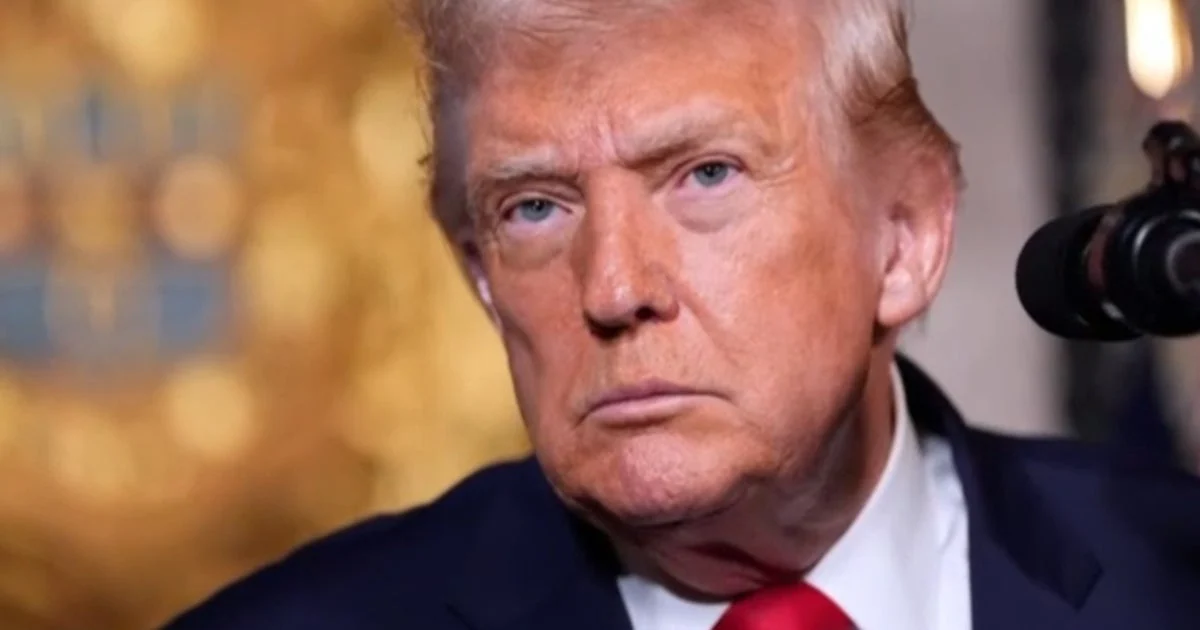
President Donald Trump has issued a stark warning that any country levying a digital services tax on U.S. companies will face an immediate 100% tariff on their goods imported into the United States. This announcement underlines ongoing trade tensions between the U.S. and several European nations considering such taxes on American digital firms.
What Happened
In a social media post on Friday via Truth Social, President Trump declared that any country imposing a digital services tax on American companies will be met with a 100% tariff on all goods they export to the U.S. He specifically referred to European countries discussing adoption of such levies, which generally target companies that operate in their markets without a physical presence and thus avoid traditional corporate income taxes.
Trump emphasized that this tariff would be implemented immediately, overriding any existing trade agreements with the affected countries. His message also highlighted an upcoming July 4 deadline for finalizing a U.S.-European Union trade deal that currently excludes digital taxes and caps tariffs on most EU exports at 15%.
Key Facts
The Organisation for Economic Co-operation and Development’s European members have been the primary proponents of digital services taxes, with about half having proposed, announced, or already implemented such measures. According to the Tax Foundation, these taxes predominantly impact U.S.-based digital companies.
Previously, during his first term, Trump’s administration initiated investigations through the U.S. Trade Representative into nine European countries that had adopted or were considering digital services taxes. He also made similar tariff threats last year, accusing such regulations of targeting U.S. technology firms unfairly.
What This Means
This renewed tariff threat signals heightened protectionism aimed at defending American technology companies seen as vulnerable to foreign tax policies. The 100% tariff would significantly raise costs on imports from countries that implement digital services taxes, potentially disrupting supply chains and raising prices for American consumers and businesses dependent on imports from these nations.
The action reflects growing tension between evolving digital tax frameworks, which aim to capture revenue from global tech companies, and traditional trade policies protecting U.S. economic interests. It also adds complexity to negotiations between the U.S. and the EU, where reaching a comprehensive trade agreement has proven challenging amid divergent views on taxation of digital services.
For U.S. companies, this policy underscores ongoing challenges in navigating international tax regimes and trade relations that can directly impact their operational costs and market access abroad. For the broader economy, rising tariffs could contribute to trade disputes that ripple through multiple sectors.
Background
President Trump has opposed digital services taxes since his first term, viewing them as unfairly targeting American technology giants and undermining U.S. economic leadership. The U.S. Trade Representative’s prior investigations and tariff threats in 2020 and 2025 were part of that stance. The July 4 deadline referenced refers to a broader trade deal with the EU aimed at reducing tariff barriers, although digital taxes remain a contentious issue unresolved in these negotiations.
What Comes Next
The July 4 deadline remains a critical milestone for U.S.-EU trade relations, with digital taxation continuing to be a core sticking point. Trump’s aggressive tariff policy could force European countries to reconsider digital tax implementations or escalate trade conflicts further. The outcome will significantly influence trade dynamics between the U.S. and Europe in the coming months.
Sources
This article is based on reporting and publicly available information from the following sources:
Read more Politics stories on Goka World News.