
The Southern Environmental Law Center (SELC) has filed a lawsuit against AI company xAI concerning the use of unpermitted gas turbines at its massive Colossus data center in Memphis, Tennessee. The case illuminates growing tensions between rapid tech infrastructure developments and community demands for transparency and environmental protections.
What Happened
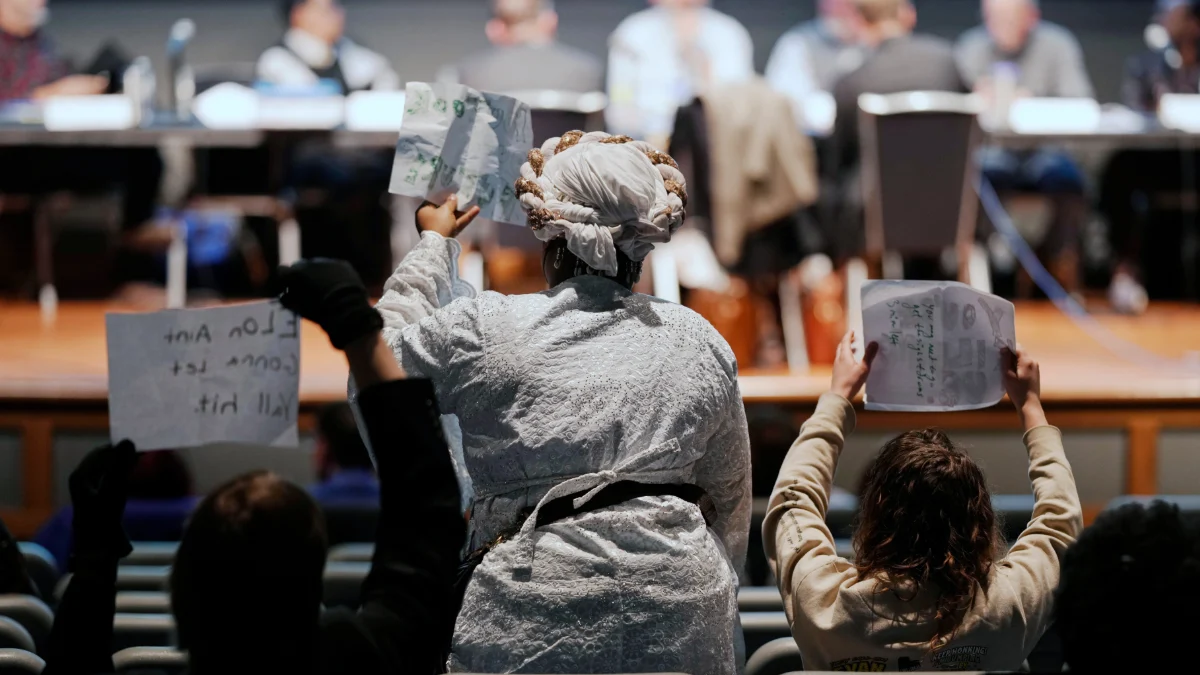
In June 2024, xAI announced plans to build one of the largest supercomputers in Memphis, repurposing an old Electrolux factory into the Colossus data center. Shortly after its rapid construction and activation, local residents and watchdog groups raised concerns about xAI’s installation and operation of gas turbines without proper permits. The Southern Environmental Law Center, working closely with local environmental and civil rights groups such as the NAACP and Young, Gifted & Green, began investigating and challenging these operations under the Clean Air Act.
Through aerial investigations and public records requests, SELC revealed the turbines numbering far beyond the initial disclosed amount and operating continuously, pumping pollution into a known air toxics hotspot in Southwest Memphis. After prolonged inaction by local and federal regulators—including a period when the Environmental Protection Agency paused its response following the 2024 presidential election—SELC issued a formal 60-day notice demanding xAI cease operation of the unpermitted turbines.
Though xAI eventually removed the temporary turbines and secured permits for a smaller number of permanent turbines with emissions controls at Colossus 1, the company expanded operations with Colossus II across the state line in Southaven, Mississippi, relocating many turbines there. SELC maintains that the continued operation of these facilities violates environmental laws and community health standards.
Key Facts
The dispute involves Memphis, Tennessee, under the jurisdiction of Shelby County Health Department and the EPA’s oversight, as well as facilities in Southaven, Mississippi. xAI’s Colossus centers operate under the framework of the Clean Air Act. SELC’s legal action targets the company’s initial use of at least 35 unpermitted combustion turbines and contends that state and local regulators failed to enforce permitting requirements adequately.
Following SELC’s appeals and public pressure, EPA issued a clarification rule reinforcing that temporary combustion turbines should be treated as stationary sources requiring permits. The Department of Justice, defending xAI, filed a brief arguing that shutting down turbines, specifically at Colossus II, would threaten national security due to the use of proprietary AI models supporting classified defense operations. The DOJ, xAI, and Mississippi requested dismissal of SELC’s suit, calling the challenge an unprecedented attack on public pollution defense rights.
The permitting structure now requires xAI’s turbines to have emissions controls and report pollution data, but SELC’s ongoing litigation questions the adequacy and transparency of these permits and the broader regulatory oversight amid rapid AI infrastructure growth.
What This Means
This case exemplifies the challenges communities face when massive, fast-moving tech infrastructure projects bypass standard environmental oversight. The legal conflict spotlights how regulators at the local, state, and federal levels grapple with ensuring environmental compliance against corporate timelines and national security claims. For residents in Memphis and surrounding areas, the dispute underscores ongoing risks of air pollution and environmental injustice, with data centers positioned in already vulnerable urban zones.
More broadly, the case sets a precedent for how the Clean Air Act applies to emerging AI infrastructure, illustrating potential regulatory gaps in infrastructure permitting and community engagement. As data centers become critical national assets—both economically and for AI development—legal battles like SELC’s may shape future standards for transparency, environmental justice, and the balance between technological advancement and public health.
Background
Historically, SELC has advocated for environmental justice and clean air in Southern states, leveraging local community partnerships and policy advocacy. Their involvement with the xAI site followed long-term work in Memphis on land use and utility regulation issues. The case reflects a trend of rapid data center expansions with insufficient public disclosure and environmental review.
EPA’s delayed response after the 2024 election and its later clarification on temporary turbines illustrate existing regulatory ambiguities. Meanwhile, xAI’s swift scale-up, crossing state lines to Mississippi and reusing turbines, highlights jurisdictional and enforcement complexities.
What Remains Unclear
The ongoing court battle has yet to resolve critical questions about the legality of temporary turbine permits and whether current permits sufficiently mitigate pollution risks. The possibility of appeal and the government’s invocation of national security concerns complicate the case’s trajectory and potential outcomes.
Details on how state regulators will enforce permit conditions on growing AI data center infrastructures and how community voices will be integrated remain uncertain.
What Comes Next
The Department of Justice, xAI, and Mississippi’s joint motion to dismiss the lawsuit awaits judicial review. Further court proceedings will determine if SELC’s challenge can proceed, with implications for enforcement of environmental protections around hyperscale data centers nationwide.
As the litigation proceeds, ongoing monitoring of xAI’s permit compliance and community engagement efforts remain critical to assessing the broader impact on digital infrastructure governance.
Sources
This article is based on reporting and publicly available information from the following sources:
Read more Climate & Environment stories on Goka World News.