
Electric bills across the United States are expected to climb significantly this summer due to near-record heat, prompting consumers to seek ways to reduce cooling costs. According to the National Energy Assistance Directors Association (NEADA), electricity expenses for air conditioning are forecasted to rise by 10.5% compared to last year, challenging households to balance comfort with affordability.
What Happened
As a widespread heat wave surged over the July 4 weekend, bringing high temperatures particularly to the Northeast where more than 185 million people were issued heat alerts, energy experts and city officials highlighted the rising cost of electricity driven by increased demand for cooling. The NEADA reported that several factors are contributing to the higher bills, including elevated gas prices, expensive upgrades to the electric grid, and the growing energy consumption of data centers.
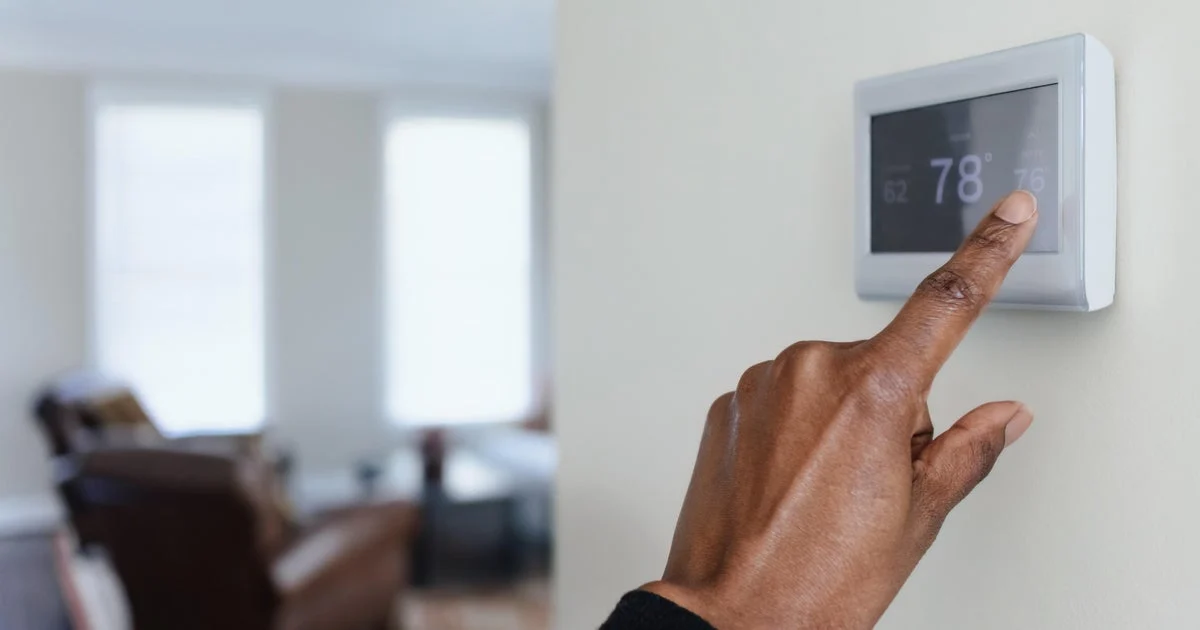
In response, New York City Mayor Zohran Mamdani encouraged residents to set their air conditioning thermostats to 78 degrees Fahrenheit to ease the strain on the city’s power grid while also advising the public to turn off unused lights and unplug non-essential electronics.
Key Facts
The NEADA projects a 10.5% increase in cooling-related electric bills this summer compared to the previous year. Mark Wolfe, an energy economist and NEADA’s executive director, recommends setting thermostats at no higher than 78°F, noting that raising the thermostat by one degree can reduce electricity costs by approximately 3%. Wolfe advises making this adjustment gradually — about one degree every few days over one to two weeks — to minimize discomfort.
Additional cost-saving measures include closing blinds or shades during peak sunlight hours to prevent indoor temperature spikes and regularly maintaining or repairing air conditioning systems, which use less electricity when properly serviced.
What This Means
The anticipated rise in electricity costs is a tangible issue for millions of American households confronting the dual pressures of extreme summer heat and financial strain. By adopting incremental thermostat increases and improving AC unit efficiency, consumers can mitigate some of these elevated expenses while maintaining comfort. These approaches not only help reduce individual bills but also lessen demand on local power grids, potentially preventing outages during peak periods.
Moreover, consumers can alleviate pockets of energy waste through simple behavioral changes such as shading windows during the hottest parts of the day and unplugging devices not in use. This is particularly relevant as broader structural factors—like energy infrastructure costs and fuel prices—keep baseline electricity rates high beyond individual control.
Understanding and applying these practical energy-saving techniques enables consumers to manage utility expenses more effectively in an environment of persistent inflationary pressure on essential services.
Background
Electricity prices in the U.S. have been rising notably faster than overall inflation in recent years. This trend is influenced by multiple complex factors, including increased natural gas prices and the elevated energy demands of critical infrastructure such as data centers. Efforts to modernize and repair electric grid components contribute additional costs, which are passed on to consumers through their utility bills, complicating affordability for many families.
What Comes Next
With the summer season continuing and heat waves expected to persist, energy experts advise consumers to keep monitoring their thermostat settings and AC maintenance routines. Cities like New York are implementing programs to manage energy demand, and continued public messaging on efficient cooling will likely accompany ongoing utility price developments.
Sources
This article is based on reporting and publicly available information from the following source:
Read more Climate & Environment stories on Goka World News.