
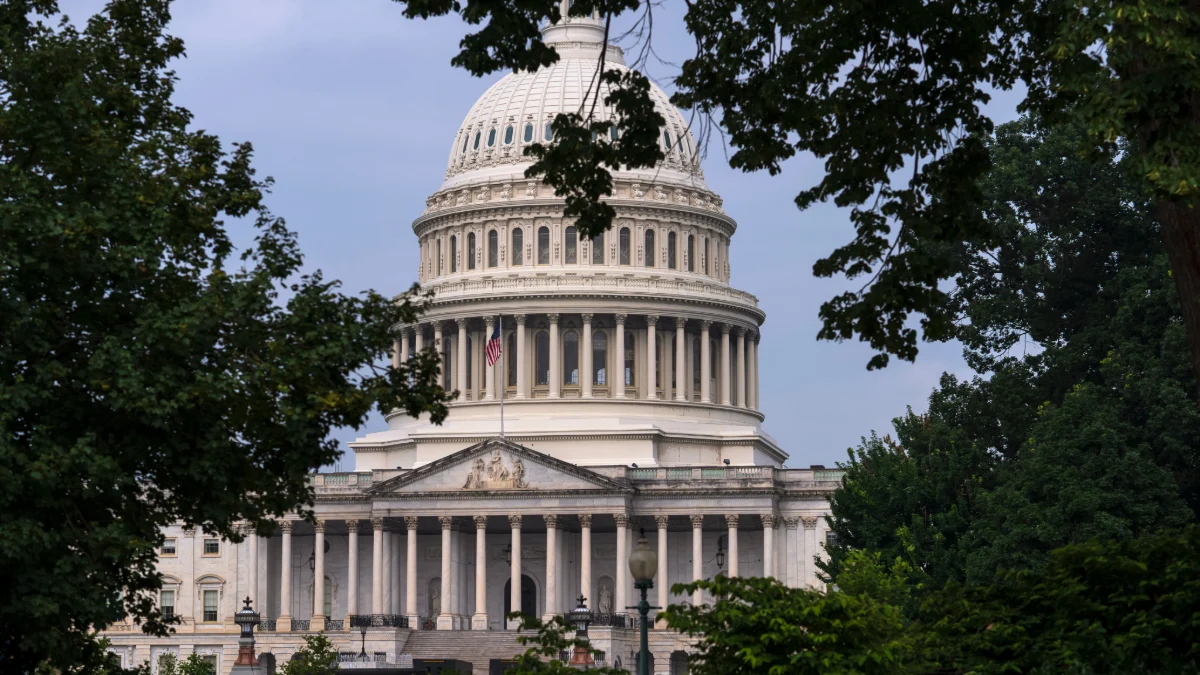
The United States House of Representatives passed the Kids Internet and Digital Safety (KIDS) Act on June 29, 2026, a major legislative package aimed at strengthening online protections for children and teens. The sprawling bill, H.R. 7757, consolidates multiple child safety provisions from long-debated laws including the Kids Online Safety Act (KOSA) and the Children and Teens’ Online Privacy Protection Act (COPPA 2.0), establishing new compliance requirements for digital platforms and AI chatbot providers. The bill now advances to the Senate amid uncertainty over its chances of passage.
What Happened
On June 29, 2026, the House passed H.R. 7757, the KIDS Act, by a 267-117 vote. The legislation integrates revised versions of KOSA and COPPA 2.0, along with a dozen other related child safety measures. The bill’s new text, agreed upon by Energy and Commerce Committee Chair Brett Guthrie (R-KY) and Ranking Member Frank Pallone (D-NJ), reflects compromises aimed at addressing earlier criticisms and securing bipartisan support. The Federal Trade Commission (FTC) is designated as the enforcement authority for the Act, operating under its authority to regulate unfair or deceptive practices, with additional civil enforcement powers held by state Attorneys General.
Key Facts
The KIDS Act is a federal U.S. bill codified as H.R. 7757 and includes several key components:
- Integration of KOSA and COPPA 2.0: KOSA provisions impose specific safety duties on platforms regarding minors, including prohibitions on targeted advertising and requirements for protective user-tool defaults. COPPA 2.0 updates the original 1998 child privacy law, expanding the protected age range to include teens (ages 14-18) and tightening data collection and consent rules.
- Standard of Knowledge: Platforms must act on a “know or should have known” standard regarding user age, a stronger requirement than previous “actual knowledge” or “willful disregard” standards.
- Age Verification for Pornographic Content: Websites predominantly containing material harmful to children must deploy age verification systems, though KOSA and COPPA 2.0 exclude imposing such requirements broadly on platforms.
- AI Chatbot Regulation: New rules mandate that AI chatbots interacting with minors disclose their non-human nature, avoid impersonating licensed professionals, provide crisis resources, and enforce usage limits.
- Data Broker Oversight: Data brokers holding minors’ personal data must register with the FTC and disclose security practices, with a searchable public directory planned.
- Enforcement and Preemption: The FTC leads enforcement with state Attorneys General authorized to bring civil actions, though state suits may be paused during FTC proceedings. The bill does not preempt stricter state-level protections.
- Excluded Provisions: To safeguard platform functions and civil liberties, the Act explicitly excludes viewpoint-based enforcement, changes to Section 230, decryption mandates, and new affirmative personal information collection for age verification beyond current business practices.
What This Means
The passage of the KIDS Act signals a coordinated federal attempt to create a unified regulatory framework addressing minors’ online safety and data privacy, which has long been fragmented across states and prior federal rules. By combining measures targeting harmful content, platform design policies, data handling, and AI chatbot interactions, the Act sets a new standard for digital platforms’ responsibilities toward minors.
The incorporation of COPPA 2.0 notably raises the age threshold for protected users and strengthens consent and data minimization standards, signaling broader protections that recognize teens’ distinct privacy concerns—especially regarding advertising and profiling. Platforms will face heightened compliance demands, including mandatory parental controls, user notifications, and third-party audits.
The AI chatbot provisions underscore growing regulatory attention on emerging AI technologies, requiring transparency and safety mechanisms when these tools engage with children. This integrates AI governance directly into child protection laws, reflecting policymakers’ recognition of AI’s potential risks in digital environments.
Furthermore, the bill’s preservation of state law authority and its enforcement mechanisms strive to balance federal oversight with local innovation and enforcement zeal. However, critics remain wary about whether the bill’s scope and standards will sufficiently empower families and regulators to address all harms effectively, especially mental health issues, which some versions address more robustly than others.
Background
The KIDS Act builds on prolonged legislative efforts spanning over four years, involving multiple iterations of KOSA and COPPA 2.0, as well as complementary child protection bills. Efforts intensified amid growing public concern about social media’s effects on minors’ mental health, data exploitation, and exposure to illicit content. Earlier versions faced critiques regarding preemption of state laws and weak age verification standards, both addressed in the current text.
Recent Senate activity includes a separate passage of COPPA 2.0 and ongoing consideration of a Senate version of KOSA, while the White House reportedly collaborates with Senator Marsha Blackburn on a broader Senate package incorporating the NO FAKES Act and App Store Accountability Act alongside KOSA.
What Remains Unclear
The bill’s prospects in the Senate remain uncertain due to competing legislative priorities and limited time before the August recess and midterm elections. Detailed rules, enforcement guidelines, and third-party audit standards are yet to be finalized and await FTC rulemaking and potential Senate amendments.
Additionally, how federal and state enforcement will interact, especially when multiple suits involve the same defendants, will require close judicial and regulatory interpretation. The effectiveness of the “know or should have known” standard in practice, and the balance between child protection and platform operational freedoms, will also be tested as the bill moves forward.
Sources
This article is based on reporting and publicly available information from the following sources:
Read more AI Regulation stories on Goka World News.