
Recent reductions in funding and staffing at U.S. public health agencies, initiated during the Trump administration, have contributed to heightened risks from several infectious threats, according to researchers and former health officials. Diseases including vibrio bacterial infections, malaria reemergence, and parasitic screwworm infestations are underscored by diminished surveillance and response capabilities in federal programs.
What Happened
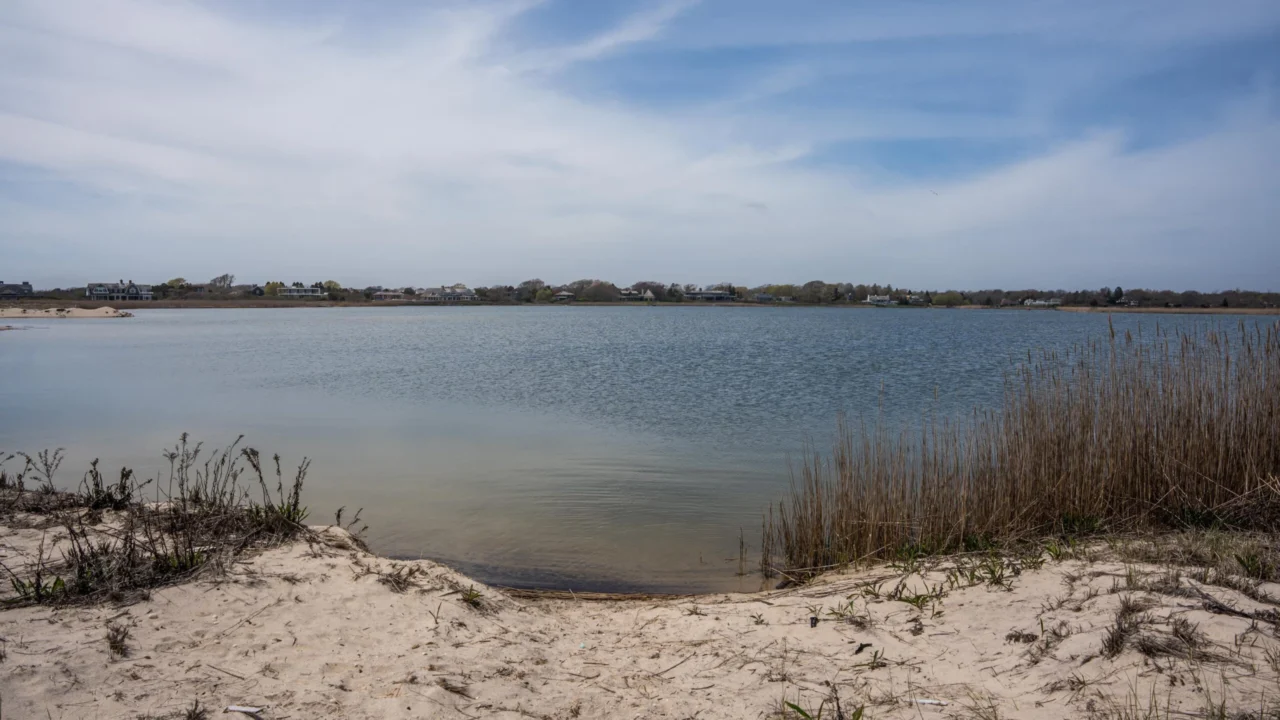
In 2025, researchers identified dangerous levels of Vibrio vulnificus—a flesh-eating bacterium—in coastal waters along New York’s Long Island, prompting local health alerts amid a busy summer season. Meanwhile, Florida reported eight infections this year, and Mississippi health officials issued precaution advisories in June. The bacterium, known to cause severe tissue death and sepsis, has an estimated fatality rate of around 20 percent, often killing patients within one to two days of infection, according to the CDC.
Further compounding concerns, the U.S. Department of Agriculture (USDA) confirmed the first U.S. case of screwworm in June 2025, with more than a dozen animals infected since. The USDA’s staffing has shrunk by over 20,000 employees since the administration’s onset, coinciding with these outbreaks. Additionally, federal foreign aid freezes disrupted international malaria prevention efforts; the CDC warned in May that the United States remains susceptible to malaria’s reintroduction following a 2023 outbreak that infected ten people across four states.
Federal monitoring systems critical to tracking such diseases were scaled back, including the removal of hundreds of deep-sea ocean sensors used to predict vibrio blooms, and changes to the Foodborne Disease Active Surveillance Network led to reduced mandatory reporting of some pathogens to the CDC.
Key Facts
The CDC reports that approximately one in five vibrio vulnificus infections are fatal, with onset rapid enough to cause death within 24 to 48 hours. The bacteria can infect individuals through open wounds or by consuming contaminated seafood such as raw oysters. Vibrio infections linked to foodborne transmission have increased, contrasting with declines in other monitored pathogens.
The USDA’s workforce declined by over 18% in the first half of 2025, directly impacting inspection and response capacities relating to agriculture and livestock diseases like screwworm. The parasite causes severe tissue infestations that can devastate animal herds. The Foodborne Disease Active Surveillance Network, involving 10 states since 1995, originally required reporting on eight foodborne pathogens; mandatory reporting was curtailed to two pathogens in 2024, limiting federal visibility.
Malaria, eradicated from the United States in 1951, reemerged locally in 2023 with ten reported cases. Mosquito vectors capable of transmission are widespread across much of the country, while federal budget cuts and agency restructuring halted much of the CDC’s Division of Parasitic Diseases and Malaria’s direct efforts.
What This Means
The reported federal cutbacks directly reduce the nation’s ability to detect, monitor, and respond to infectious diseases that threaten public health and agricultural stability. Diminished surveillance means that emerging outbreaks may go unnoticed longer, resulting in delayed interventions that raise the risk of fatalities and wider transmission. The increase in vibrio infections, for example, illustrates climate-driven pathogen expansion compounded by fewer monitoring resources, impairing early warnings and response planning.
Similarly, the reappearance of screwworm poses a critical threat to livestock industries, with potential economic fallout if infestations escalate unchecked. The reintroduction of malaria raises concerns about population vulnerability, as most Americans lack immunity and could experience severe illness if exposed. Collectively, these developments suggest that cuts in scientific staffing and program funding weaken both domestic public health infrastructures and U.S. contributions to global disease control.
While federal officials defend their policy changes as necessary for streamlining and efficiency, the practical consequences highlight an erosion of established defenses against microbial threats. The shifting priorities may also undermine confidence in existing prevention frameworks crucial for managing health risks aggravated by climate change and globalization.
Background
The Foodborne Disease Active Surveillance Network (FoodNet) was established in 1995 to monitor foodborne pathogens across participating states, enabling early detection of outbreaks and informing public health interventions. U.S. malaria elimination occurred mid-20th century after decades of coordinated vector control and treatment efforts. The screwworm parasite was eradicated from the U.S. through rigorous livestock inspection and control programs.
Previously, the U.S. engaged extensively with global health efforts via USAID and the World Health Organization to combat infectious diseases internationally. Since 2020, budget freezes and organizational disruptions have reduced U.S. support for these initiatives, hindering global and domestic surveillance and response networks.
Analysis
Experts like Dr. Christopher Gobler of Stony Brook University emphasize the importance of coastal temperature monitoring to track vibrio’s spread, linking environmental changes with disease risks. Former CDC director Tom Frieden criticized the reductions, warning that they represent a withdrawal from necessary defenses against microbial dangers. Infectious diseases specialists like Dr. Jeanne Marrazzo note that reductions in expertise and staffing at health agencies are as damaging as budget cuts.
Policy critics highlight that dismantling USAID and withdrawing from the WHO disrupted established global health networks, hampering responses to outbreaks such as Ebola in Africa and potentially increasing risks of importation into the U.S. Conversely, the Department of Health and Human Services states that reforms under Secretary Robert F. Kennedy Jr. aim to enhance efficiency and focus resources on chronic as well as infectious diseases.
What Remains Unclear
The long-term effects of these federal program cuts on disease prevalence and outbreak magnitude are uncertain. Specific data on staffing reallocations and grant terminations for malaria and other diseases have not been fully disclosed by agencies. It remains unclear how alternative surveillance data might compensate for reduced mandatory reporting of pathogens to the CDC. The potential for further disease spread or new outbreaks due to compromised federal capacity is still being assessed.
What Comes Next
Following bipartisan opposition, the Trump administration reversed plans to completely dismantle ocean monitoring sensors but continues to restrict some surveillance activities. Public health authorities continue to monitor outbreaks closely, and pandemic-level preparedness frameworks remain under discussion. Whether future budgets will restore or further curtail disease prevention programs is an ongoing issue amid competing policy priorities.
Sources
This article is based on reporting and publicly available information from the following sources:
Read more Health & Public Health stories on Goka World News.