
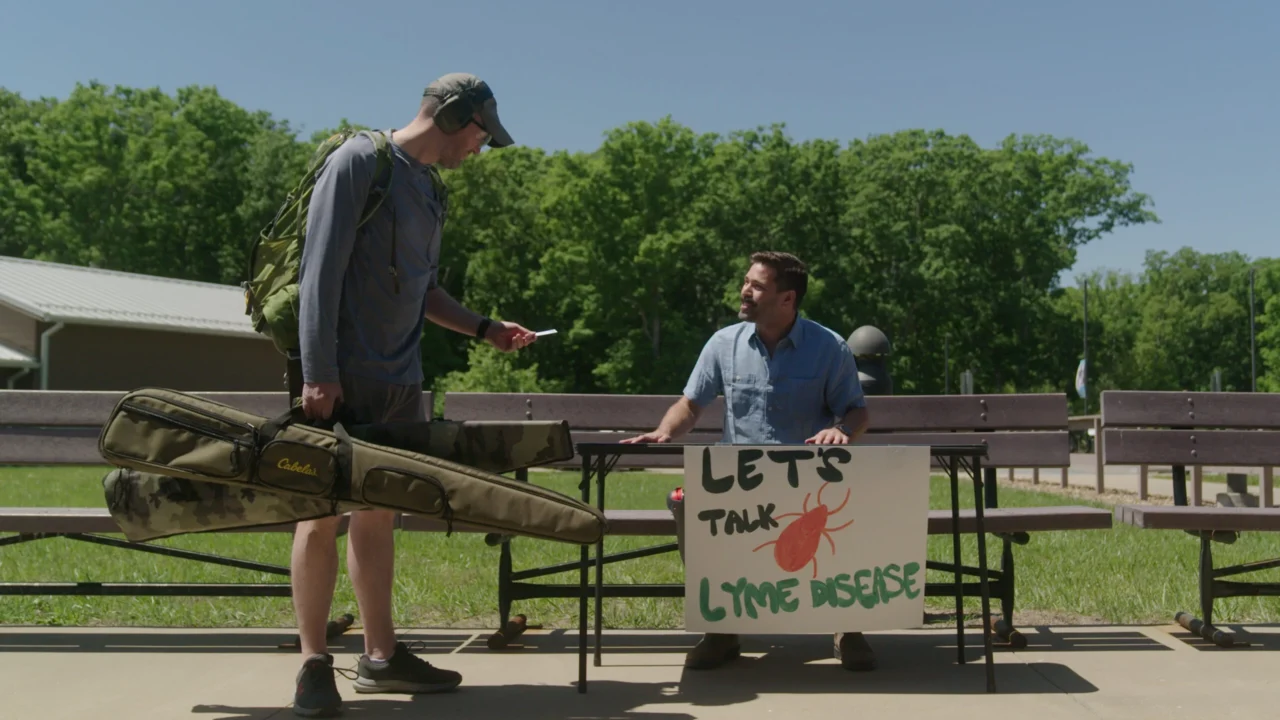
The prospect of a new vaccine against Lyme disease, a tick-borne illness affecting hundreds of thousands in the U.S. annually, has prompted mixed reactions among hunters—a group frequently exposed to ticks and associated health risks. This insight comes from interviews conducted by KFF Health News at a shooting range in Missouri, where hunters discussed their openness to vaccination amid concerns about safety and efficacy.
What Happened
This spring, pharmaceutical companies Pfizer and Valneva announced plans to seek regulatory approval for a new Lyme disease vaccine. The vaccine candidate, tested in clinical trials, demonstrated approximately 75% effectiveness in reducing Lyme disease cases, although it narrowly missed a trial benchmark due to fewer reported infections among participants. Lyme disease cases have expanded geographically since 1995, with around 476,000 Americans diagnosed and treated each year according to the Centers for Disease Control and Prevention (CDC).
To gauge the vaccine’s potential reception, KFF Health News interviewed eight outdoor enthusiasts in Weldon Spring, Missouri, primarily hunters, whose lifestyle places them at heightened risk of tick exposure. Responses ranged from outright willingness to skepticism, with most individuals expressing a desire for more detailed information on vaccine safety and effectiveness prior to acceptance.
Key Facts
Lyme disease, transmitted by tick bites, can cause symptoms including fever, chills, headaches, arthritis, and, in severe cases, neurological involvement such as inflammation of the brain and spinal cord. The disease is often challenging to diagnose and treat effectively, leading to substantial morbidity in some cases. Prior vaccines were withdrawn in the early 2000s due to lawsuits and public concern over side effects.
Of the eight individuals interviewed, only one expressed definitive interest in receiving the vaccine immediately, citing personal risk due to frequent outdoor exposure. Several others were cautiously optimistic but wanted more robust data and transparency about the vaccine’s performance and safety profile. One hunter noted personal or familial experiences with Lyme, influencing openness to vaccination despite general vaccine hesitancy.
Health and Human Services Secretary Robert F. Kennedy Jr., who has advocated for Lyme disease initiatives despite previous anti-vaccine activism, may influence public acceptance if he endorses the vaccine following FDA approval. KFF polling indicates vaccine skepticism correlates with reliance on social media or AI for health information and lack of trusted providers, suggesting targeted education is crucial.
What This Means
This emerging Lyme disease vaccine represents a significant development amid rising Lyme incidence linked to expanded tick habitats, itself influenced by climate change. The mixed views among hunters, a high-risk but often vaccine-hesitant demographic, underscore the challenge public health officials face in promoting uptake of new vaccines, particularly outside urban centers or in politically conservative communities.
Understanding and addressing concerns about vaccine safety and effectiveness will be critical for achieving adequate coverage and preventing Lyme disease’s disabling impacts. The real-world success of the vaccine depends not only on regulatory approval but also on trust-building through clear communication and strong endorsements from credible figures. Given the growing burden of tick-borne diseases, effective vaccination could mitigate long-term health risks and reduce the strain on healthcare resources.
Background
The first Lyme disease vaccine, introduced in the late 1990s, was withdrawn after three years due to litigation, public fears about side effects, and lack of demand. Lyme disease remains the most prevalent tick-borne illness in the U.S., with an expanding geographic footprint since the mid-1990s. Current prevention strategies focus on tick avoidance and prompt removal.
Prior infection does not confer lasting immunity against Lyme disease, so even those previously infected could benefit from vaccination, as noted by interviewed hunters who had direct or familial experience with the illness.
Analysis
Ashley Kirzinger, associate director for Public Opinion and Survey Research at KFF, highlighted that vaccine acceptance tends to be lower among rural, conservative, and male populations—demographics that overlap with many hunters. She noted that endorsement from Secretary Kennedy, trusted by segments skeptical of vaccines, could reduce reluctance within those communities. The potential for misinformation remains a concern, given reliance on social media and AI-driven health information among the hesitant.
What Remains Unclear
The new vaccine’s exact safety profile and long-term effectiveness need further clarification before widespread adoption. Pfizer has not released updates on regulatory progress as of June. It remains uncertain how public perception will evolve in the post-COVID era, which has been marked by heightened vaccine skepticism and misinformation.
What Comes Next
The companies plan to submit the Lyme vaccine candidate to regulatory agencies for approval. The outcomes of this review process, along with public health campaigns and endorsements, will shape the vaccine’s availability and acceptance. Meanwhile, the Department of Health and Human Services has announced initiatives to combat Lyme disease under Secretary Kennedy’s leadership.
Sources
This article is based on reporting and publicly available information from the following sources:
Read more Health & Public Health stories on Goka World News.